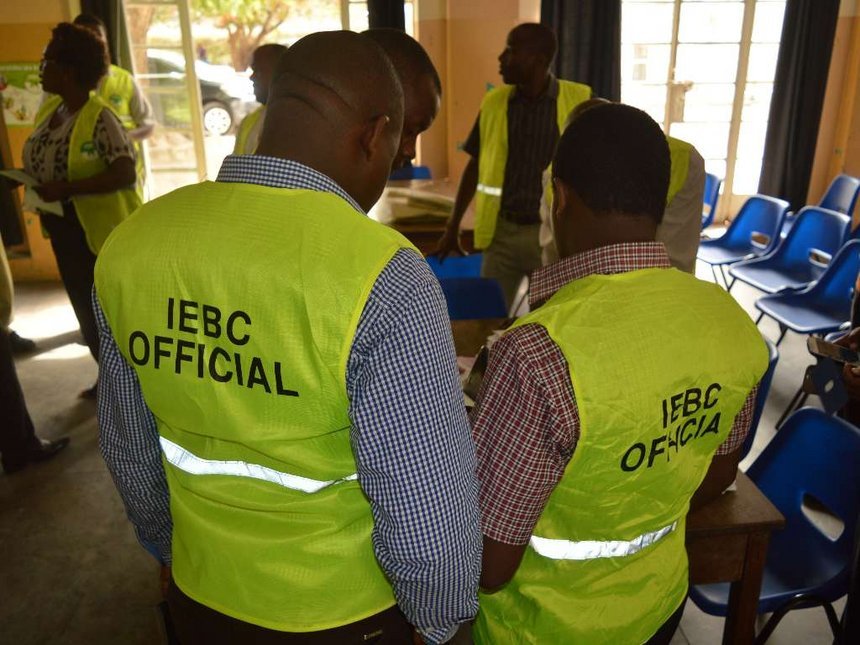
Final Call for Voters- IEBC Announces Enhanced Registration Ends Tuesday

The Independent Electoral and Boundaries Commission (IEBC) has issued a final reminder to eligible citizens as the Enhanced Continuous Voter Registration (ECVR) exercise enters its final 24 hours. In an update released on Monday, April 27, 2026, the commission confirmed that the nationwide drive will officially conclude on Tuesday, April 28.

To maximize turnout in the final stretch, the IEBC clarified that Kenyans do not need to travel to their ancestral homes or home counties to register. Thanks to the deployment of “open kits,” citizens can visit any registration center near their current location and sign up for any polling station across the country.

Registration Status and Excluded Areas

While the exercise is nationwide, the commission noted that registration is currently suspended in regions with active electoral disputes or upcoming polls. These specific areas include:

  • Constituencies: Ol Kalou, Malava, Mbeere North, and Emurua Dikirr.

  • Wards: Porro and Endo.

This suspension is due to ongoing election petitions or preparations for scheduled by-elections, such as the highly anticipated Ol Kalou contest.

New Voter Statistics: Nairobi and Kiambu Lead the Surge

The appeal comes on the heels of fresh data released by the commission, showing a significant surge in registration over the past month. Between March 30 and April 23, 2026, the IEBC successfully registered 1,876,274 new voters. In the final week alone, more than 500,000 people joined the roll.

Top Performing Counties:

  • Nairobi City: 209,965 new voters

  • Kiambu: 97,557 new voters

  • Nakuru: 81,166 new voters

  • Kakamega: 80,711 new voters

  • Machakos: 65,616 new voters

Other counties with strong showings included Bungoma (62,030), Meru (56,486), and Kilifi (54,171). Meanwhile, counties in the lower tier included Wajir (17,930), Mandera (14,946), and Isiolo (9,291), with Lamu recording the lowest numbers at 8,345 new registrations.

Transfers and Particular Updates

Beyond new registrations, the ECVR exercise has facilitated significant movement within the existing voter base. Approximately 159,410 voters utilized the window to transfer their registration details to new polling centers, while nearly 3,000 citizens updated their personal particulars.

With the clock ticking toward the Tuesday deadline, the IEBC is urging all young people and previously unregistered citizens to take advantage of the remaining hours to ensure they are eligible for future elections.

IEBC Announces Jobs For Elections, Here’s How To Apply

The Independent Electoral and Boundaries Commission (IEBC) has launched a massive recruitment drive, declaring 12,520 temporary positions available to facilitate an upcoming nationwide voter registration exercise. This initiative, announced on Wednesday, February 25, 2026, is part of the commission’s strategic efforts to expand the national voter database and ensure maximum inclusivity ahead of future electoral processes. The recruitment targets a diverse range of personnel, specifically seeking Voter Registration Assistants, Voter Registration Clerks, and ICT Clerks to manage the logistical and technical demands of the drive.

Successful applicants for these roles can expect to earn a daily stipend of approximately KSh 2,000 for the duration of the assignment. To be eligible, the commission is looking for Kenyan citizens aged 19 years and above who possess at least a KCSE mean grade of C- (minus) or its equivalent. Beyond basic academic qualifications, computer literacy is a mandatory requirement for all positions, while a diploma in fields such as ICT, statistics, education, or business administration will be viewed as a significant added advantage, particularly for those eyeing supervisory or technical roles.

The responsibilities for these positions are clearly defined to ensure the integrity of the registration process. ICT Clerks will be tasked with the technical operation and troubleshooting of biometric registration equipment, including KIEMS kits and their associated hardware and software. Voter Registration Assistants will take on a more administrative role, supervising ward-level clerks, coordinating the movement of registration equipment, and monitoring daily statistics to ensure that each ward meets its designated voter targets. Meanwhile, Voter Registration Clerks will serve as the primary point of contact for the public, handling the manual and digital entry of new voter details.

All interested candidates are required to submit their applications through the official IEBC portal. Following the shortlisting process, candidates will be expected to present their original National Identification Cards and academic certificates for verification. Furthermore, to safeguard the sensitive data collected during the exercise, every successful applicant must undergo mandatory specialized training and swear an official oath of secrecy before being deployed to their respective wards across the country.

Breaking News! IEBC CEO Marjan Hussein Resigns

In a significant leadership shift at Anniversary Towers, Marjan Hussein Marjan has officially resigned from his role as the Chief Executive Officer of the Independent Electoral and Boundaries Commission (IEBC). The announcement, which was confirmed by the commission on the evening of Tuesday, February 3, 2026, brings a close to a decade-long tenure for an official who has been central to the management of Kenya’s most recent and high-stakes electoral cycles.

Marjan’s departure appears to be the result of a calculated and diplomatic process rather than a sudden fallout. In a letter addressed to the commission’s staff, he described his exit as part of a “mutually agreed-upon structured transition” within the Office of the Commission Secretary. While he did not explicitly state the specific reasons for stepping down, Marjan expressed profound gratitude for the privilege of serving alongside what he described as a professional and resilient team. Having joined the IEBC in April 2015—first as Deputy CEO and later as the substantive head—his leadership was most notably tested during the 2022 General Elections and the complex administrative transition that followed.

Despite the formal and appreciative tone of his farewell, the resignation comes amid a backdrop of intense political heat. The IEBC has been under mounting pressure from the United Opposition, which has expressed growing concerns regarding the commission’s readiness for the 2027 polls. Just days before the resignation, opposition leaders visited the IEBC headquarters to demand urgent reforms. During this meeting, Democracy for Citizens Party (DCP) leader Rigathi Gachagua was particularly pointed in his critique, openly expressing a total lack of confidence in Marjan’s leadership and calling for fresh management to ensure the credibility of future elections.

The IEBC has responded to the vacancy by reassuring the public of its commitment to institutional stability. In an official statement, the commission emphasized that the secretariat remains the backbone of service delivery in electoral management and must reflect a high level of preparedness and passion to deliver free and fair polls. As the handover process begins, the IEBC has promised to name an interim CEO in due course to manage the day-to-day operations, which include human resource administration and the implementation of key commission policies. For now, the focus shifts to how this leadership vacuum will be filled and whether a fresh face at the helm will satisfy the growing demands for transparency ahead of the next national vote.

Gen Z, Ghost Voters, and Broken Maps: IEBC’s Housecleaning Checklist

Kenya’s Independent Electoral and Boundaries Commission (IEBC) is back in full gear – at least on paper.

With the swearing-in of a new Chairperson and six Commissioners in July 2025, the once-paralyzed electoral body now faces the real test: rebuilding public trust and democratic legitimacy.

But what does reconstitution really mean to the average Kenyan?

Beyond the headlines and photo ops lies a heavy responsibility – to fix a broken contract between citizens and the vote.

Legitimacy Begins Inside

The IEBC’s first steps signal intent: electing a Vice Chairperson, organizing committee leadership, and undergoing intensive induction on laws, past audits, and technology.

Yet the nation is watching not just what they do – but how they do it.

The By-Election Test

With over 1.2 million Kenyans left unrepresented across six vacant parliamentary constituencies and 16 ward seats, the Commission’s first scorecard is clear: can it organize credible, timely, and transparent by-elections?

Every action here counts – from gazettement timelines to public communication and dispute management.

Clean Data, Clean Politics

At the heart of electoral controversy lies a tainted voter register.

The IEBC must now confront the ghosts of elections past: purging dead voters, duplicates, and outdated entries.

Trust begins with data – and this clean-up could make or break the next polls.

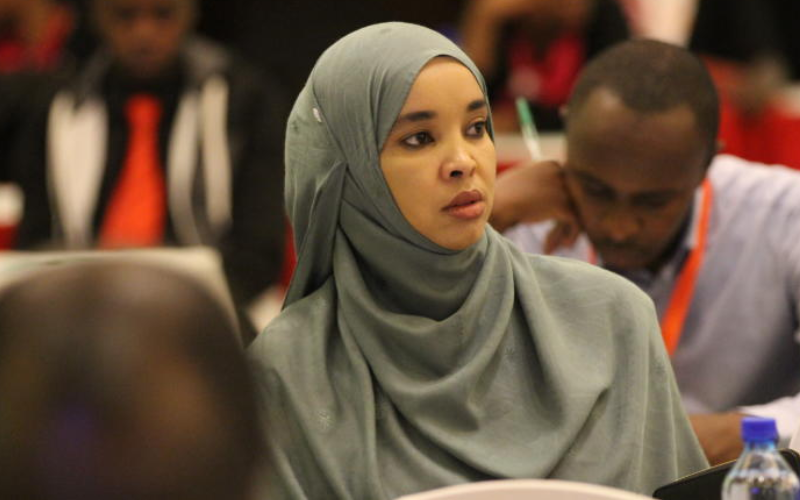
Ms. Fahima Abdalla, IEBC’s Vice Chair 2027 (Image: Files)

Youth Power Must Go Beyond the Streets

Over one million Kenyans have turned 18 since the 2022 election, yet most remain unregistered.

The energy of Kenya’s Gen Z must be transformed into voter rolls – through digital civic campaigns, influencer collaborations, and grassroots activations in schools and colleges.

Redrawing the Map

The last electoral boundary review was in 2012.

Since then, cities have ballooned and demographics shifted. A new review isn’t optional – it’s constitutional.

If handled right, it could fix gross inequalities in representation. Mishandled, it could ignite political tension.

Reforms Can’t Wait for Crisis

Kenya has no shortage of electoral reform reports. What it lacks is implementation.

The IEBC now has a chance to lead from the front – from enforcing campaign finance laws to digitizing dispute resolution and professionalizing polling staff.

In a Nutshell …. 

The 2027 polls may seem far off. But Kenya’s democratic future is already being shaped – one decision, one by-election, one boundary review at a time.

And this time, the stakes are far too high for business as usual.

IEBC Releases Statement After Wajir Women Rep Vowed To Steal Votes For Ruto In 2027 (Video)

The Independent Electoral and Boundaries Commission (IEBC) has issued a strongly worded press release condemning recent political statements hinting at intentions to rig the upcoming elections in favor of President William Ruto. While the Commission refrained from naming specific individuals, the statement follows closely on the heels of Wajir Woman Representative Fatuma Jehow’s controversial declaration that votes would be “stolen” to secure President Ruto’s re-election, a remark that sparked national outrage.

“The Commission is concerned about statements on election malpractices in the country. Such utterances are unacceptable and reckless in a democratic society such as ours,” the IEBC’s statement read on Sunday, July 13, 2025. It further urged Kenyans to disregard or disassociate themselves from such claims, emphasizing their potential to undermine public trust.

The IEBC clarified that its Electoral Code of Conduct Enforcement Committee, responsible for handling such matters, only exercises jurisdiction during an official election period. “There is no gazettement or declaration that has been made to warrant such desirous political utterances and propaganda,” the Commission noted, reiterating that Kenya is not currently in a campaign phase.

Having been recently reconstituted, the IEBC seized the opportunity to reaffirm its unwavering commitment to engaging with all stakeholders, including political parties and leaders, in a bid to restore public trust and confidence in Kenya’s electoral processes.

“We urge all stakeholders, particularly those in the political arena, to refrain from acts including speeches likely to erode trust and confidence in our electoral processes,” the statement emphasized.

The Commission also assured the public of its dedication to safeguarding its independence and impartiality while continuing to fulfill its constitutional mandate. It reiterated its commitment to delivering free, fair, and and credible elections in strict accordance with the law and international best practices.

This statement marks one of the first major public responses from the newly appointed IEBC, now operating under the leadership of Chairperson Dr. Erastus Ethekon. Dr. Ethekon faces mounting pressure to assert the Commission’s authority and impartiality as the nation gears up for the 2027 General Election.

New IEBC Leadership Ready For Swearing-In Today After Court Dismisses Petition

A new chapter for Kenya’s Independent Electoral and Boundaries Commission (IEBC) is officially set to begin today, Friday, July 11, 2025, as the newly appointed chairperson, Erastus Edung Ethekon, and six commissioners are scheduled to be sworn into office at midday at the Supreme Court.

This crucial development follows a significant High Court ruling delivered on Thursday evening, July 10, 2025. A three-judge bench, comprising Lady Justice Roselyne Aburili, Justice John Chigiti, and Justice Bahati Mwamuye, dismissed the substantive petition that had challenged the selection and nomination process of the new IEBC team. Petitioners had argued that the selection process was opaque, lacked regional balance, and failed to adequately include persons with disabilities and marginalized groups. However, the court found these claims to be unsubstantiated, affirming that public participation was conducted adequately and regional balance was considered.

Crucially, while upholding the nominations, the court nullified an earlier Gazette Notice dated June 10, 2025, which President William Ruto had issued to formalize the appointments. The judges deemed this initial gazettement “unlawful,” ruling that it was done in violation of existing court orders that had temporarily halted the process. To regularize the appointments, the court directed President Ruto to issue a fresh Gazette Notice.

President Ruto promptly complied with this directive, issuing a new Gazette Notice dated July 10, 2025, which re-appointed Erastus Edung Ethekon as Chairperson and Ann Njeri Nderitu, Moses Alutalala Mukhwana, Mary Karen Sorobit, Hassan Noor Hassan, Francis Odhiambo Aduol, and Fahima Araphat Abdallah as commissioners. Both the chairperson and commissioners are appointed to serve a single term of six years.

The swearing-in ceremony, which Chief Justice Martha Koome will preside over, marks the end of a prolonged period during which the IEBC operated without a full commission. This reconstitution is critical, especially with several mini-polls pending and exactly two years remaining until the 2027 General Election. The new team faces the immediate task of restoring the full functionality and public trust in the electoral body, which is vital for Kenya’s democratic processes.

Situation report: IEBC status

As of June 4, 2025, the status of the Independent Electoral and Boundaries Commission (IEBC) remains a matter of national importance, drawing public attention to issues of legality, transparency, and timely service delivery. Here’s a breakdown of the key considerations surrounding the IEBC’s current situation:


Legitimacy and Legal Framework

The recruitment of IEBC commissioners has followed a structured, democratic, and legally anchored process conducted under public scrutiny. The process has adhered strictly to the law, ensuring that Kenyans were taken through a transparent and accountable public engagement.

Importantly, the Constitution of Kenya does not permit a vacuum within the IEBC due to its critical role in maintaining democratic order. The legal framework also provides clear channels for redress, allowing for objections and appeals without disrupting institutional continuity.


Handling of Grievances

All grievances concerning the recruitment process must follow due legal procedure, and should only be raised after the conclusion of the process. Attempts to contest or delegitimize the recruitment midstream are seen as deliberate efforts to derail progress and create unnecessary tension.

Claims that the process is flawed before its completion are not only premature but also unfounded and misleading, especially to the public who have a right to an impartial electoral commission.


Institutional Integrity and Public Perception

While concerns have been raised about the suitability of certain nominees, such matters are best addressed through Parliament’s constitutional vetting process, which is in place to uphold the integrity of public appointments.

Political leaders attempting to interfere or influence the process for personal or partisan gain undermine both the objectivity and independence of the IEBC. Turning the appointment into a political contest erodes public trust and diverts the process from its legal mandate.


Timeliness and Public Interest

Further delays in constituting the Commission pose a significant threat to Kenya’s constitutional order and democratic operations. Notably, one of the major demands from the recent Gen Z protests was the urgent formation of a functional IEBC.

The responsible institutions have since responded by initiating a bipartisan, inclusive, and legally compliant process, aligning with public expectations and national interest.

Delays in completing this process not only risk unpreparedness for the 2027 General Election, but also stall critical by-elections, leaving some areas without representation. The injunctions or tactics to postpone the process stand in contrast to the legal goal of maintaining order, and ultimately harm the public interest.


Conclusion

The IEBC’s proper and timely constitution is not just a matter of institutional procedure—it is a constitutional imperative and a public right. The law is designed to create order, and any action that causes further delays threatens to erode public trust, stall democratic progress, and violate the rights of millions of Kenyans. As the process moves forward, stakeholders are urged to place national interest above individual preferences, allowing legal institutions to complete their work without undue interference.

Former IEBC Commissioner Irene Masit Flees Country After Death Threats

A former Independent Electoral and Boundaries Commission (IEBC) commissioner, Irene Masit, has fled the country after receiving death threats.

Masit, who was one of four commissioners who challenged the election of William Ruto as president, left the country on Tuesday.

The threats against Masit began after she was fired from the IEBC by a tribunal. The tribunal found that she had committed gross misconduct by attending meetings with top allies of President Uhuru Kenyatta in which they allegedly asked her to alter the election results.

Masit has denied the allegations, but she says that she has been receiving death threats from people who believe that she is responsible for Ruto’s loss.

“I have been receiving unending and chilling death threats,” Masit said in a statement. “I am afraid for my life and the lives of my family.”

Masit’s lawyer, Donald Kipkorir, said that she has reported the threats to the police, but that no action has been taken.

“We have reported the threats to the police, but they have not taken any action,” Kipkorir said. “We are now considering taking legal action against the people who are threatening her.”

Masit’s destination is unknown, but she is reportedly seeking asylum in a foreign country.

She is the second high-profile IEBC official to flee the country in less than six years. In 2017, Roselyn Akombe also fled the country after receiving death threats.

Akombe’s case is similar to Masit’s in that she was also fired from the IEBC by a tribunal and then received death threats.

Akombe has since said that she believes that the threats against her were politically motivated.

The threats against Masit and Akombe are a reminder of the dangers that IEBC officials face when they challenge the results of an election.

It is also a reminder of the need for the government to take seriously the threats against IEBC officials and to ensure their safety.

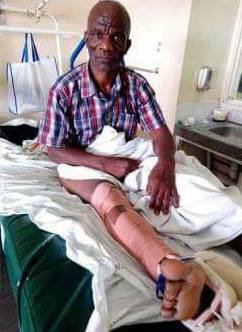
Baba Chungwa who was run over by a car during anti-IEBC demo abandoned at Kenyatta Hospital

Baba Chungwa is crying for help because he has been abandoned at Kenyatta hospital. The Nasa diehard supporter was among people who were run over by a Prado during anti-IEBC demos in Nairobi on October 9th.

Nicholas Owino (Baba Chungwa) is a famous ODM supporter. He always put on ODM attire and carries oranges on his head when he attends political rallies.

Nicholas Owino aka Baba Chungwa

Baba Chungwa suffered multiple fractures when he was run over by the Prado. The SUV, which was being used by the police, mowed down Nasa protestors on Kenyatta Street.

Nicholas was taken to the hospital by Esther Passaris who only paid Kes 1,500. A handful of politicians including Simba Arati and Otiende Amolo visited him but none paid his bills.

Baba Chungwa needs specialized treatment

Nicholas now needs more than 1.5 million to undergo special surgeries. He needs to go under the knife to correct the deformities which are developing after the accident.

Nicholas Owino at the hospital

Baba Chungwa can’t manage to pay the bills on his own. He’s now appealing to Kenyans to help him raise money to cater for his treatment.


Man stripes naked to bewitch some IEBC officials

There has been a lot happening in the country especially with the protests and police engaging with Nasa protestors for the past few weeks.

From what many protesters say is that they are ready to come into an agreement only if some few IEBC officials are shown the door since most Nasa supporters believe that this people had a hand in rigging the general elections that went down on 8th August, 2017.

Also read: “I only see death and not Security when I see men in black heads, combats, and gumboots” Singer Akothee open letter to the Government of Kenya!

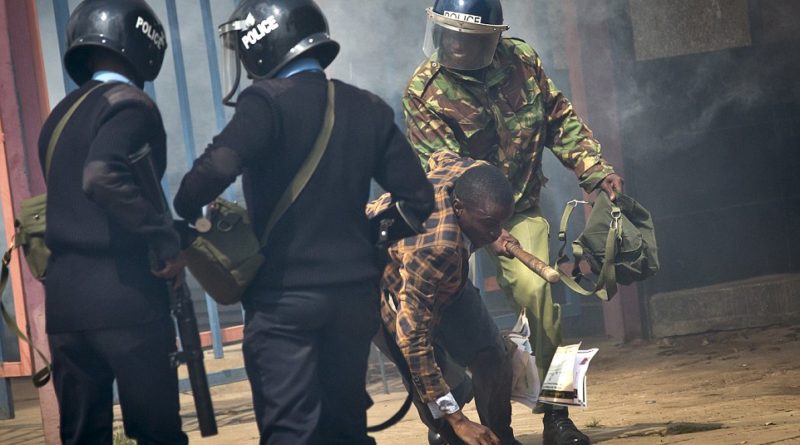
However, their pleas have not been met and this is why most have been running to the streets protesting about the elections that are to take place on 26th October. This has seen many Kenyans lose their lives as the police have been engaging with both tear gas and bullets as seen in most photos making rounds on social media.

Police engaging with protesters

Anyway, one man decided to strip naked in Kisumu as he believes this is the only way he can curse the IEBC officials causing Kenyans sleepless nights. We are however not sure why he opted for this move…but I hear when a grown up stripes naked when mad, then that is a direct curse!

Man stripes naked in Kisumu (Photo courtesy, SDE)
Man stripes naked in Kisumu (Photo courtesy)
Man stripes naked in Kisumu (Photo courtesy, SDE)

Eza Chiloba peeps through the window as police teargas Nasa supporters demonstrating against him (Video)

Ezra Chiloba, the Chief Electoral Officer (CEO) of the Independent Electoral and Boundaries Commission Kenya (IEBC) was at his office at Anniversary Towers when Nasa protestors tried storming into the premise in a bid to oust him.

Chiloba is accused of being the architect of August 8th rigged election and Nasa has vowed not to participate in repeat presidential election if the IEBC CEO is still in office.

Nasa has vowed to hold protests to force Ezra Chiloba and other top officials to resign for allegedly bungling the August vote. They also accused IEBC of failing to adequately address the concerns it had raised as irreducible minimum, protesting that the commission was proceeding with business as usual without any accountability.

Nasa Protestors have today poured out in the streets to demonstrate against Chiloba, the protestors attempted to access IEBC headquarters at Anniversary Towers but police dispersed them using teargas.

Chiloba was keenly following the whole drama through the window at his office. Watch the video below:


IEBC deputy presiding found brutally murdered was sexually assaulted – private parts badly mutilated

Some really evil people brutally murdered IEBC deputy presiding officer Caroline Odinga in the same manner IEBC ICT manger Chris Msando was killed.

Caroline was found dead a few meters from her home on Saturday August 19th 2017 at around 10am. The deceased left her home for school on Friday at around 5pm to get some books for his son never to return alive.

Caroline was a teacher at Ugenya High School, she served as an IEBC deputy presiding officer at Miyare Primary School in Siaya county.

Caroline Odinga

Some relatives who were interviewed by NTV disclosed that Caroline met some IEBC officials at Sega Polytechnic in the morning hours of that fateful Friday August 18th. Apparently the IEBC officials interrogated her over the recent election.

“I had previously overheard a conversation between her and another female presiding officer complaining about massive interrogation during their meeting with IEBC officials on Friday, August 18. That was the last time I saw her. Her phone was switched off and no other relative had heard from her. I believe she was abducted and killed but they dumped her near our home,” said Caroline’s husband Mathias Otieno.

The body of the 39 year old slain teacher had deep cuts to the face, neck and thighs. Siaya County Police Commander Sarah Duncan while briefing the media said preliminary investigation conducted on the body suggested that the deceased was sexually assaulted since her private parts were badly mutilated.

Watch the NTV clip below:

5 important roles of MP that you should know before you vote for your candidate of choice

The position of Member of Parliament (MP) is one of the most important elective posts that voters should be keen on while voting for candidates.

Do you know MPs have the power to impeach a sitting president? It is important for voters to assess the candidates vying for the position of MP before they make the choice about who they will vote for tomorrow August 8th.

Below are the roles of MPs that should guide you when voting for your next MP:

1.MP represents the people of the constituencies and special groups

2.MP deliberates on and resolves issues of concern to the people

3.MP makes National Laws in parliament

4.MP decides on the allocation of national revenue between the levels of Government and other National State organs

5.MP reviews the conduct of President, Deputy President and other state officers and may initiate the process of removing them from office

4 important things to know about the roles of MCAs before you go to vote on Tuesday August 8th

There are only 2 days left before Kenyans choose their next leaders. Every position being contested for by politicians is vital to the Kenyan people because they serve different purposes.

The Independent Electoral and Boundaries Commission (IEBC) has carried out massive voter sensitization campaign in a bid to make sure the electorates understand the roles politicians will play once elected to respective offices.

So what roles do MCAs perform?

1.MCA maintains close contact with the electorate and consult them on issues before or under discussion in county assembly

2.Presents views, opinions and proposals of the electorate to the county assembly

3.Attends sessions of the county assembly and its committees

4.Extends professional knowledge, experience or specialized knowledge to any issue for discussion in county assembly

4 important things to know the roles of Kenya’s 47 County Governors #IEBC

There are only 3 days left before eligible Kenyans cast their votes to choose leaders who will lead them for the next five years. The Independent Electoral and Boundaries Commission (IEBC) has carried out massive voter sensitization campaign in a bid to make sure the electorates understand the roles that the people they will vote for on August 8th will play once they get into office.

Do you really know the roles and mandate of County governors? Take a look below:

1.A Governor is in charge of proving leadership to the County executive committee and administration based on the County policies and plans

2.Governor promotes democracy, good governance, unity and cohesion within the County

3.Governor promotes peace and order with the County

4.Governor promotes the competitiveness of the County

Know your leaders! 8 things to know about the roles the person you are electing as President will play #IEBC

Do you really know what roles the people you will be voting will play once they are elected to office? The Independent Electoral and Boundaries Commission (IEBC) has carried out massive voter sensitization campaign in a bid to make sure the electorates understand the roles that the people they will vote for on August 8th will play once they get into office.

First off is the President, the highest authority in Kenya. What role does a president play?

1.The president is the head of state and national government

2.The president is the commander-in-chief of the Kenya Defence Forces (KDF)

3.The president is the chairperson of the National Security Council

4.The president is a symbol of national unity

5.The president safeguards the sovereignty of the Republic

6.The president promotes and enhances the unity of the Nation

7.The president is tasked with promoting the respect for the diversity of the people and communities of Kenya

8.The president ensures the protection of human rights, fundamental freedoms and the rule of law

No more long queues at the polling stations! This is the simple method IEBC will use to ease congestion on August 8th #IEBC

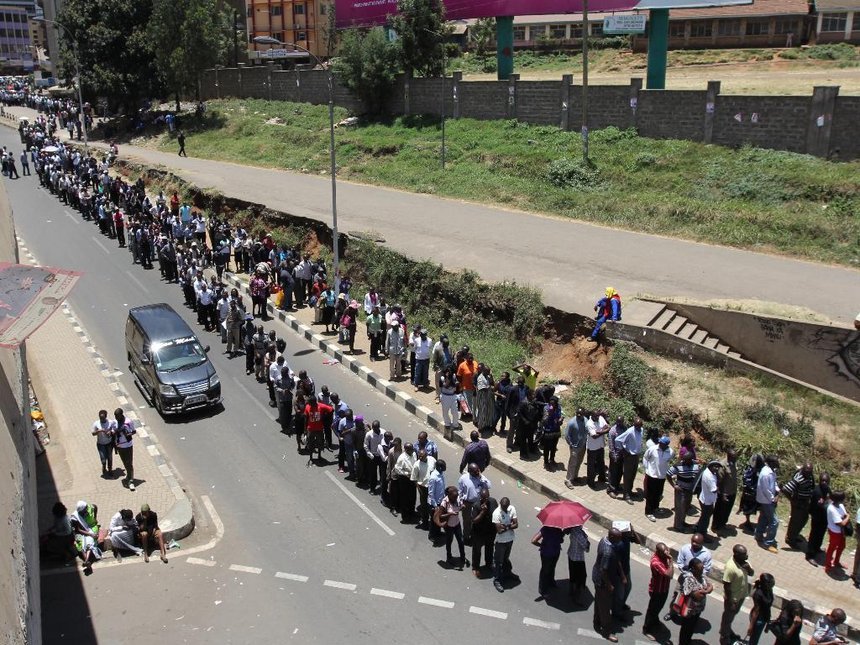
The previous general election in 2013 witnessed long queues stretching for hundreds of meters on the roads outside the polling stations.

The Independent Electoral and Boundaries Commission (IEBC) has made sure this won’t be the case come August 8th 2017.

To avoid long queues, IEBC increased the number of polling stations to 40,883 across the country. This means that every polling station has a maximum of 700 voters only. And the result is that there won’t be long queues as witnessed in previous elections.

Another strategy IEBC will use to make the voting process to be fast and to avoid long queues at the polling stations is the ‘alphabetic queuing’; voters will be directed by IEBC queuing clerks to queue according to the first name that appears on their ID or valid Kenyan passport.

The polling stations will also be subdivided into zones which will have larger queues that feed into the polling stations’ queues, there will be clear signage for this on August 8th.

Below is a video illustration of how voters will queue on August 8th:

5 simple voting rules that all Kenyans MUST adhere to come August 8th 2017 #IEBC

Independent Electoral and Boundaries Commission (IEBC) insists that Kenyans must follow certain guidelines when they go to vote on August 8th 2017.

The rules are very simple yet if not followed properly could have serious ramifications. Below are the rules:

  1. All voters are required to be at the polling stations between 6:00am and 5:00pm.
  2. All voters are required to produce their original national identity card or a valid Kenyan passport for identification. You won’t be allowed to vote if you don’t have either of these.
  3. At the polling station you will be given 6 stamped ballot papers each of a distinct color; President, Member of National Assembly, Member of County Assembly, Senator, County Women Member of National Assembly and Governor. To mark the ballot paper, place one mark inside the box next to the photo of the candidate of your choice. If you mark the same ballot paper twice your vote will be considered as a spoilt vote and won’t count. If you need any assistance in marking the ballot papers the presiding officer or someone of your choice can assist you.
  4. IEBC officials will mark voters’ small finger with indelible ink to prove they have already voted. You are only allowed to vote once, if you try to vote twice or multiple times you will be arrested and prosecuted.
  5. Once you have completed the process of voting you are required to leave the polling station. IEBC won’t allow voters who have already cast their votes to idle at the polling stations.

Watch the video below for clarification on how you will vote come August 8th:

10 days to Election Day… This is what will happen at the polling station on August 8th #IEBC

Independent Electoral and Boundaries Commission (IEBC) has highlighted key things to be noted by voters as they go to cast their votes on 8th August 2017.

IEBC has carried out massive voter sensitization campaign in a bid to make sure the electorates know what they are required to do come August 8th.

First things first, voters are required to be at the polling stations between 6:00am and 5:00pm. At the polling station, IEBC clerks will require you to produce your original national identity card or a valid Kenyan passport for identification.

You will then be required to place your finger on the KIEM kits for biometric identification. Once verified you will then be issued with 6 stamped ballot papers.

You will then walk into the polling booth to correctly mark the six ballot papers – one for presidential candidates, one for governorship candidates, one for senatorial candidates, one for MP candidates, one for Women Representative candidates and one for MCA candidates.

You will then cast each ballot paper into the right ballot boxes that represent the six elective positions politicians are vying for.

An IEBC official will then mark your small finger with indelible ink to prove you have already voted. Once you have completed the process you are required to leave the polling station.

Watch the video below for visual explanation on how you required to vote on August 8th:


Mwanaisha Chidzuga and Gidi Gidi give Dennis Itumbi a dressing-down over shocking IEBC voter registration anomaly

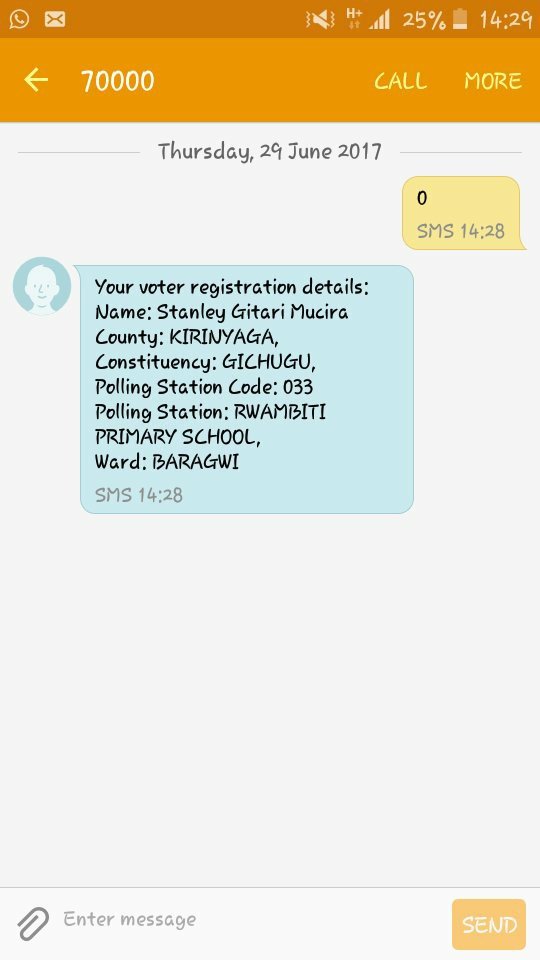
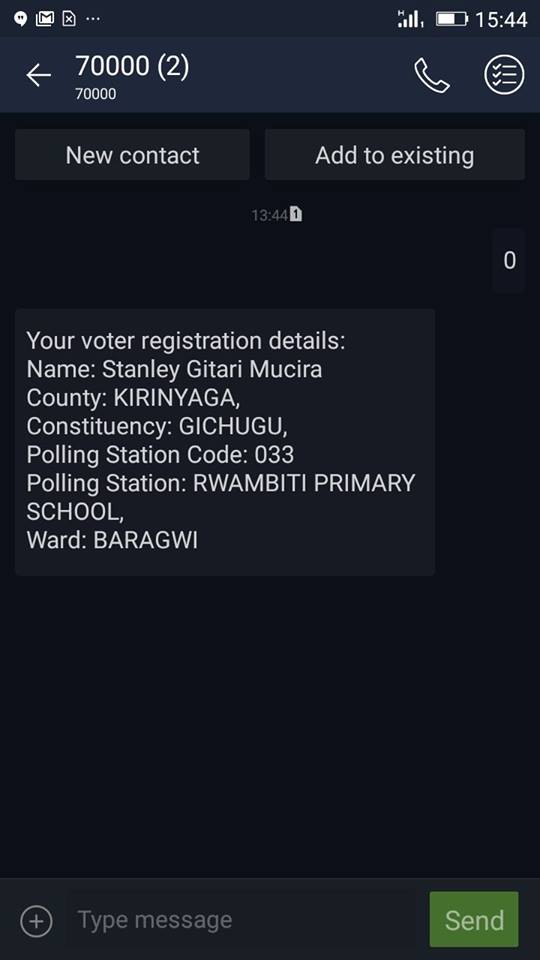
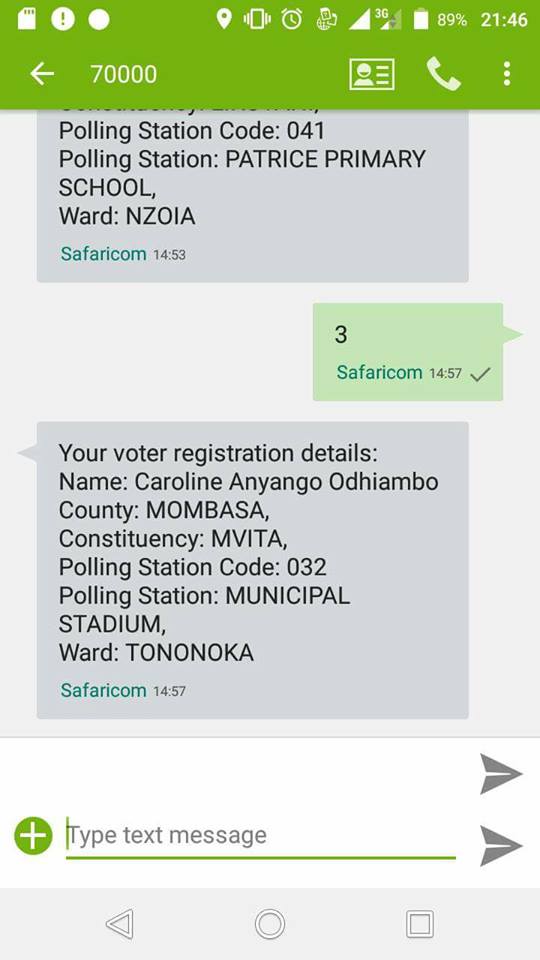
IEBC announced that voters could verify their registration details by sending their ID number to 70000. Kenyans tried sending random numbers like 0, 3 etc and they were shocked to find that those numbers had been registered.

There was uproar on social media on Thursday June 29th after netizens discovered shocking anomalies in IEBC voter registration. Kenyans shared screenshots of the results they got after sending random single or two digit numbers to 70000.
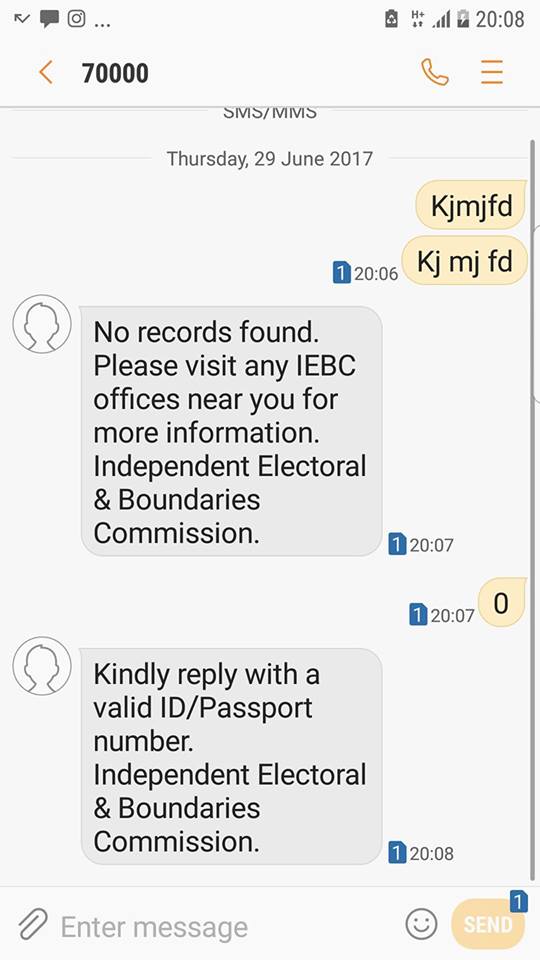
IEBC rectified the anomaly as claims of rigging started amounting on social media. Jubilee blogger Dennis Itumbi sent random number to 70000 later after IEBC had rectified the error, his intention was to discredit the anomaly ever existed.

“Checking basic Facts and calling out the liars. Just sent 0 to the IEBC Verification portal. ..the response attached,” Dennis Itumbi posted on IG.

His post drew criticisms from IG users who blasted him for blind loyalty and defending what had been proved to be true. K24 anchor Mwanaisha Chidzuga and Radio Jambo presenter Gidi Gidi also gave Itumbi a dressing-down.

“No Itumbi they just brought it down I myself thought it was a hoax then sent the sms with 0 then 66 then 11 and got the sms with voters names polling station etc I can forward them to u..So kindly we are not just lying or spreading rumours as u claim bt geniune concerns.IEBC and the government should now address the issues raised by kenyans to avoid doubt or politicians using this as ammunition to discredit the whole process..Good PR also includes accepting there was a challenge but plans or processes are underway to sort it out.Dont take. Dont take the trust and faith that Kenyans have for granted one day itaisha so pls can IEBC clean the register as promised retain their credibility and trust of Kenyans that they can deliver fair elections Its nt abt Jubilee or Nasa or independent issues this is abt KENYA and whoever wins the election let it be seen by all Kenyans that he won fairly…” Mwanaisha Chidzuga wrote.

“It doesn’t help to lie Itumbi let IEBC accept the mistakes n correct it. We all love this country and it doesn’t argue well when u or jubilee as one of the players in the elections is always seen as the only side supporting IEBC even when they do something wrong,” wrote Gidi Gidi.