Gen Z, Ghost Voters, and Broken Maps: IEBC’s Housecleaning Checklist

Kenya’s Independent Electoral and Boundaries Commission (IEBC) is back in full gear – at least on paper.

With the swearing-in of a new Chairperson and six Commissioners in July 2025, the once-paralyzed electoral body now faces the real test: rebuilding public trust and democratic legitimacy.

But what does reconstitution really mean to the average Kenyan?

Beyond the headlines and photo ops lies a heavy responsibility – to fix a broken contract between citizens and the vote.

Legitimacy Begins Inside

The IEBC’s first steps signal intent: electing a Vice Chairperson, organizing committee leadership, and undergoing intensive induction on laws, past audits, and technology.

Yet the nation is watching not just what they do – but how they do it.

The By-Election Test

With over 1.2 million Kenyans left unrepresented across six vacant parliamentary constituencies and 16 ward seats, the Commission’s first scorecard is clear: can it organize credible, timely, and transparent by-elections?

Every action here counts – from gazettement timelines to public communication and dispute management.

Clean Data, Clean Politics

At the heart of electoral controversy lies a tainted voter register.

The IEBC must now confront the ghosts of elections past: purging dead voters, duplicates, and outdated entries.

Trust begins with data – and this clean-up could make or break the next polls.
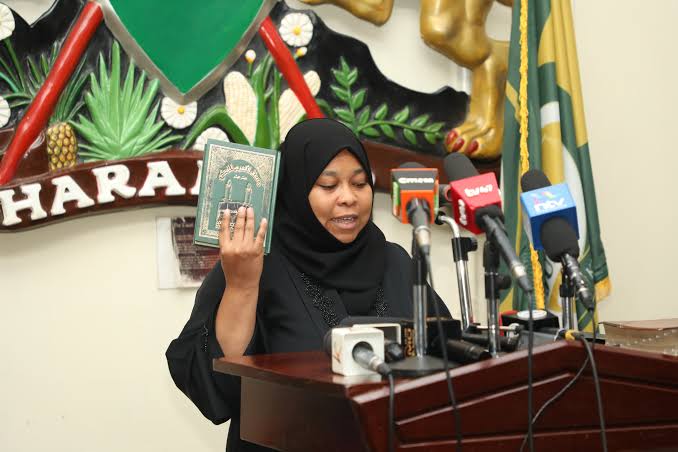
Ms. Fahima Abdalla, IEBC’s Vice Chair 2027 (Image: Files)

Youth Power Must Go Beyond the Streets

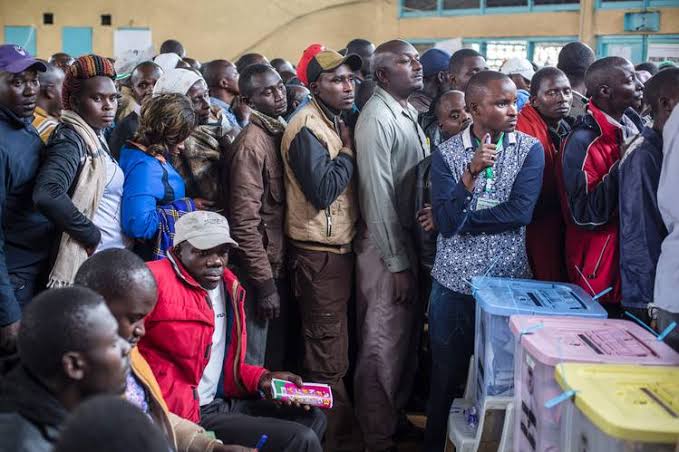
Over one million Kenyans have turned 18 since the 2022 election, yet most remain unregistered.

The energy of Kenya’s Gen Z must be transformed into voter rolls – through digital civic campaigns, influencer collaborations, and grassroots activations in schools and colleges.

Redrawing the Map

The last electoral boundary review was in 2012.

Since then, cities have ballooned and demographics shifted. A new review isn’t optional – it’s constitutional.

If handled right, it could fix gross inequalities in representation. Mishandled, it could ignite political tension.

Reforms Can’t Wait for Crisis

Kenya has no shortage of electoral reform reports. What it lacks is implementation.

The IEBC now has a chance to lead from the front – from enforcing campaign finance laws to digitizing dispute resolution and professionalizing polling staff.

In a Nutshell …. 

The 2027 polls may seem far off. But Kenya’s democratic future is already being shaped – one decision, one by-election, one boundary review at a time.

And this time, the stakes are far too high for business as usual.
Resetting the Ballot: IEBC Gets to Work

Kenya now has a fully reconstituted Independent Electoral and Boundaries Commission (IEBC) following the swearing-in of a new Chairperson and six Commissioners.

The appointments restore the agency’s full legal and operational mandate, enabling it to resume election management, institutional reform, and preparation for the 2027 General Election.

The Commission has since held its inaugural plenary session and elected Fahima Araphat Abdalla as Vice Chairperson.

The IEBC is also finalizing internal committee leadership, a step seen as crucial in shaping policy direction, operational oversight, and role delegation within the Commission.

An intensive induction program is also planned for all Commissioners, with modules covering electoral law, audit findings from previous polls, stakeholder engagement, voter technology, and cybersecurity.

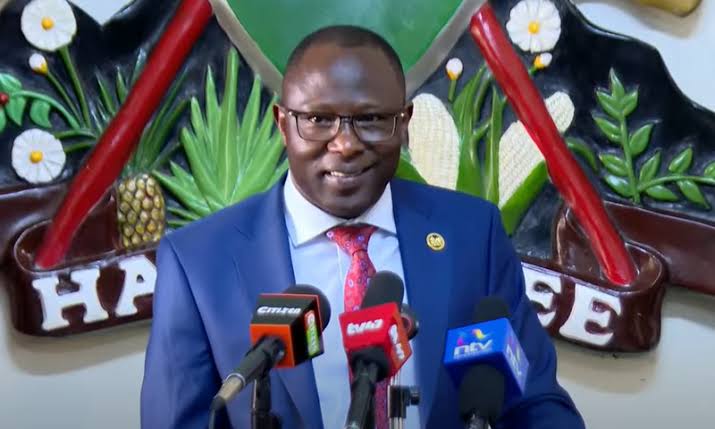
The new IEBC Chairperson Erastus Edung Ethekon during a past press conference (Image: Files)

Addressing the Representation Gap

The Commission’s immediate task includes overseeing by-elections in at least 22 constituencies and wards, where representation is currently absent.

Constituencies such as Kasipul, Malava, Banisa, Magarini, Mbeere North, and Ugunja are among those affected, leaving over 1.2 million Kenyans without parliamentary voice or Constituency Development Fund (CDF) support.

The by-elections are viewed as a litmus test for the reconstituted IEBC, with success depending on timely gazettement of election dates, transparent procurement, professional dispute resolution, and public communication.

Cleaning the Voter Register

The Commission is also expected to embark on a comprehensive audit and clean-up of the voter register.

Key concerns include removal of deceased voters, duplicate records, and outdated entries.

The initiative is seen as critical in restoring public trust in electoral data integrity ahead of the next polls.

Youth Registration to be Prioritized

With over 1 million new eligible voters aged 18–22 since the last election, IEBC is being urged to shift toward youth-centered voter registration.

Suggested strategies include collaborations with influencers, county activations in learning institutions, and civic education campaigns across digital platforms such as TikTok, X (formerly Twitter), and Instagram.

Boundary Review and Legal Reforms on the Agenda

The last electoral boundary review was conducted in 2012.

In line with constitutional requirements, the IEBC is expected to begin the next cycle, factoring in population shifts and representation disparities.

A national review calendar and county-level public forums are part of the anticipated roadmap.

At the legislative level, the Commission is also expected to revive long-pending electoral reform proposals.

These include campaign finance regulations, enforcement of political party accountability, dispute resolution timelines, and polling staff professionalism.

Fresh Faces: President Ruto Appoints New IEBC Chair and Commissioners

President William Ruto has appointed a new team to steer the Independent Electoral and Boundaries Commission (IEBC) – an institution at the heart of the country’s electoral integrity.

Through a Special Gazette Notice dated 10th July 2025, the President named Erastus Edung Ethekon as the new Chairperson of the IEBC, set to serve for a non-renewable term of six years.

His appointment, made under Article 250(2) of the Constitution and the IEBC Act, marks a new era for the commission, which has faced its share of political scrutiny and public expectations.

Alongside the chairperson, six commissioners have also been appointed:

  • Ann Njeri Nderitu
  • Moses Alutalala Mukhwana
  • Mary Karen Sorobit
  • Hassan Noor Hassan
  • Francis Odhiambo Aduol
  • Fahima Araphat Abdallah

Each will serve a similar six-year term as part of efforts to reconstitute the electoral body ahead of key political milestones – including the 2027 General Election and pending boundary reviews.

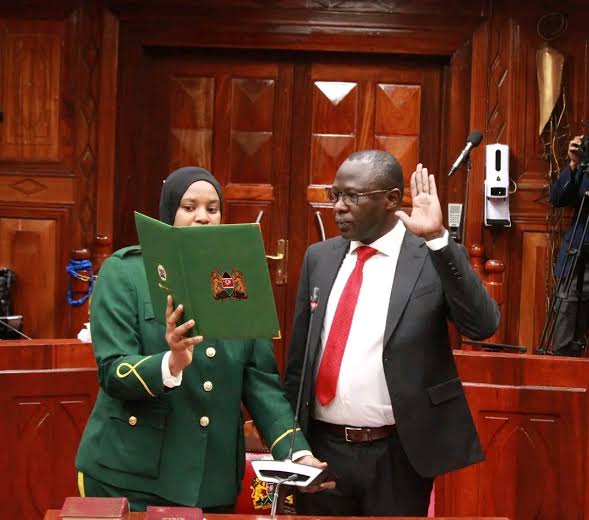
The new IEBC Chair Erastus Edung takes the oath during his swearing-in ceremony (Image: Files)

The appointments close a long-anticipated chapter in the post-2022 election reforms and follow a nationwide call for an impartial, credible, and independently run IEBC.

Kenyans will be watching closely as the new team assumes office – tasked not only with restoring public trust but also upholding the sanctity of the ballot.

As the country gears up for another election cycle, this fresh slate at the helm of IEBC will play a decisive role in shaping Kenya’s democratic journey.