
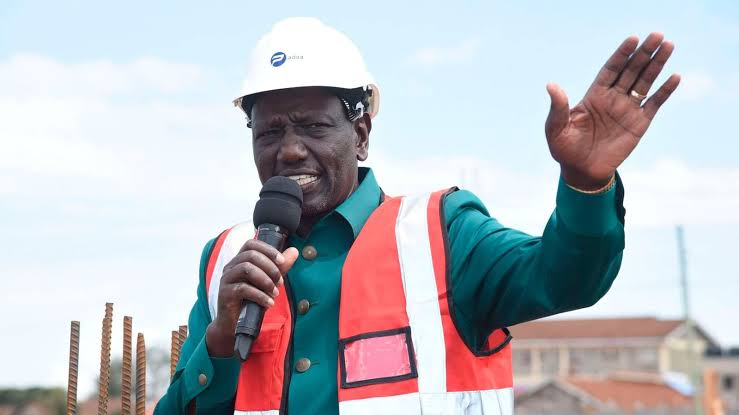
This year’s edition of the State Address carried a different texture. It was more structured, number-heavy and keen to show movement.
I’ve distilled eight big themes that shaped the president’s speech from start to finish.
1. Agriculture
The President returned to the farming backbone of Kenya’s economy. He leaned hard on data, pointing to the jump from under 300,000 digitally registered farmers in 2022 to more than 7.1 million today.
That visibility, he argued, is what enabled the government to distribute 21 million bags of subsidised fertiliser and 35 million kilos of certified seed.
According to him, this has pushed maize harvests from 44 million bags in 2022 to 67 million in 2024, with projections of 70 million this year – and, by extension, lower unga prices.
2. Foreign investments
The President said Kenya has tripled its FDI over the last three years and registered more than 300,000 new businesses, including 500 foreign companies.
The Nairobi Securities Exchange, he noted, has added Ksh1T in investor wealth since January.
For many Kenyans, the question remains whether these signals translate to real economic relief, but the administration is clearly staking its credibility on rebuilding investor confidence.
3. Health Reforms and Access
On health, the President painted a picture of a sector under reconstruction.
He cited government-paid premiums for 2.3 million vulnerable Kenyans, KEMSA reforms, and new targets for essential medicines – 90% availability by the end of 2025 and 100% by March 2026.
Cancer care support rises from Ksh550,000 to Ksh800,000 next month.
And instead of the old MES model, counties will now pay for hospital equipment per use, a shift meant to avoid past financial scandals.
4. Rebuilding Education Systems
The President argued that the big cracks in education are being addressed, highlighting the hiring of 76,000 teachers so far, with 24,000 more coming by early 2026.
The infrastructure story was equally central: 23,000 classrooms and 1,600 laboratories delivered, and TVET enrolment doubling from 341,000 to 718,000 learners.
For him, this represents a shift toward skills-based growth.
5. Housing and Urban Transformation
Housing made a strong appearance, too. The President acknowledged the early friction around the programme but insisted momentum is now real:
230,000 affordable homes under rollout, 178,000 student beds in the pipeline, and 276 modern markets being built.
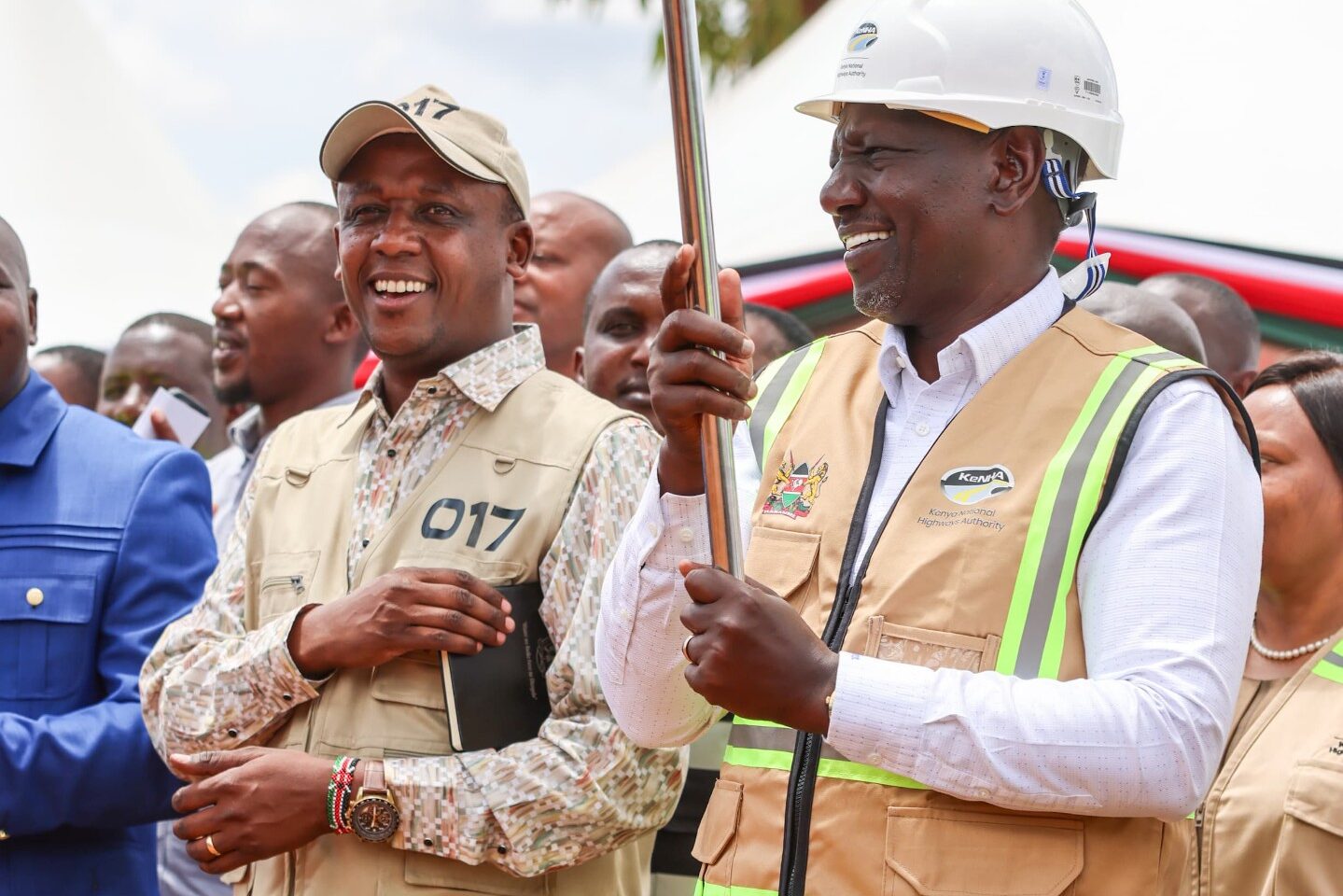
The Nairobi River regeneration project – which he says has employed 428,000 youth – was framed as both an environmental and economic engine.
6. Expanding MSMEs
On small businesses, Ruto doubled down on the Hustler Fund’s impact: Ksh80B disbursed, seven million borrower records cleaned, and three million MSMEs brought into formal finance.
He placed the new NYOTA programme within the same ecosystem – a project expected to train, certify, capitalise, and place 820,000 young people in jobs and enterprise over five years.
7. Digital Migration, Tech Economy
Digital transformation was one of the strongest threads in the entire address.
From zero public Wi-Fi hotspots in 2022 to nearly 1,500 today, and from fewer than 400 services on eCitizen to 22,500, the administration framed Kenya as undergoing a massive digital leap.
Nearly 2M youth trained in digital skills and 300,000 earning online were used to show that the digital economy is not theoretical – it’s already employing people.
8. Infrastructure & Energy
The President detailed ambitious plans for 50 mega dams, 200 medium dams, and thousands of micro dams to bring 2.5M acres under irrigation.
Road expansion includes 2,500km of highways to dual and 28,000km to tarmac.
The Rironi-Naivasha-Nakuru-Mau Summit highway starts next week, and from 2026 the SGR is planned to push from Naivasha to Kisumu and finally Malaba.
The energy goal?
Adding 10,000MW to support AI, manufacturing, and the data economy.
In a Nutshell …
These eight themes were all a mix of ambition, ongoing reforms and long-term bets.
Whether they land as convincing progress or distant promises ultimately depends on where you sit and what your day-to-day reality looks like.
But stripped of politics, the speech was clear about one thing: the administration sees this as the path Kenya must walk over the next few years.
The real test now is simple – will Kenyans feel the change where it matters most?