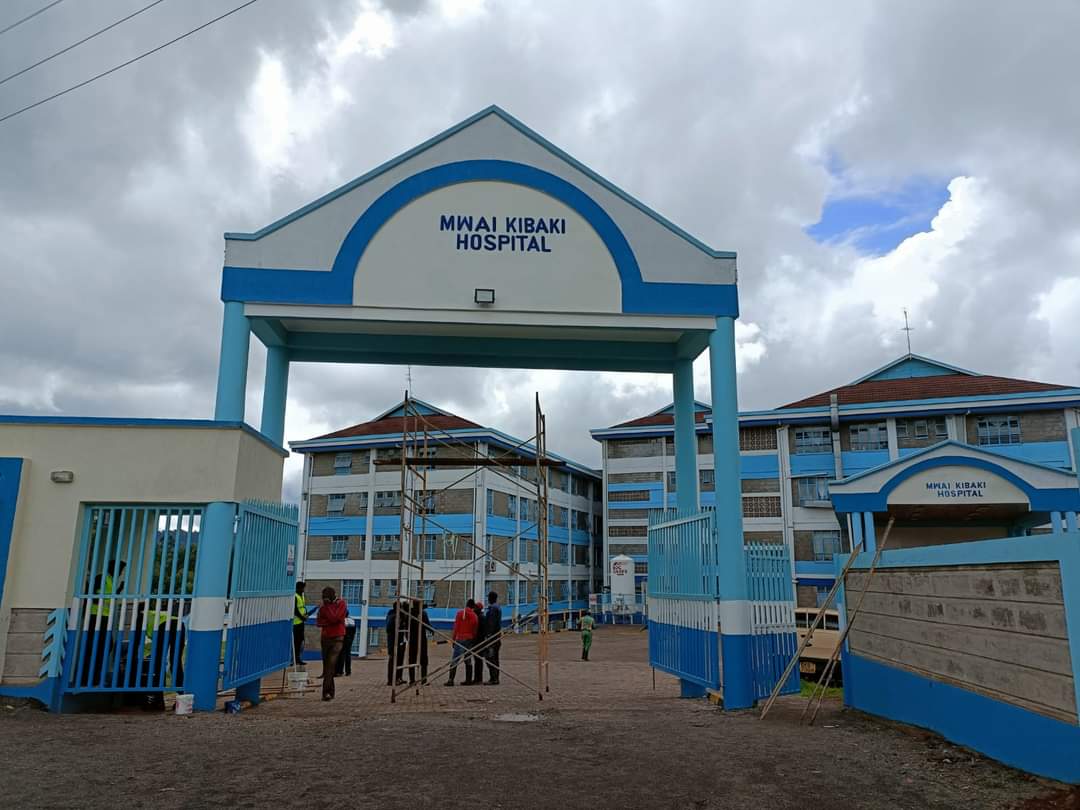
The Ministry of Health has confirmed that the Social Health Authority (SHA) claims system is now fully operational.
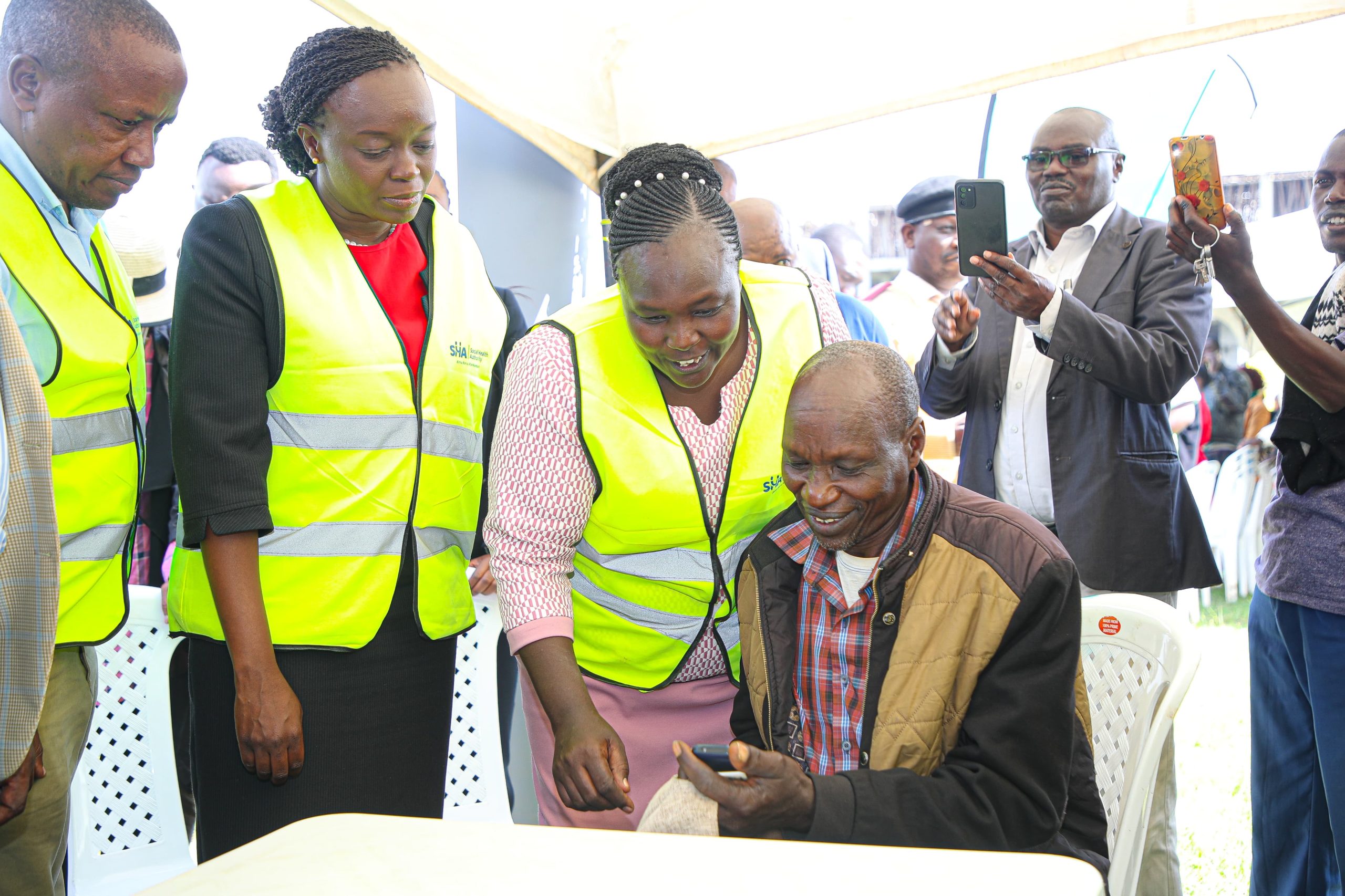
The Social Health Authority (SHA) is encouraging Kenyans to register their dependents during the transition to the new health insurance scheme.
All registered SHA beneficiaries will have free access to primary healthcare services through the Primary Healthcare Fund at Levels 2 (dispensaries), Level 3 (health centers), and certain Level 4 health facilities.
Failure to include dependents, as previously done in NHIF, could impede access to healthcare services for those family members.
Additionally, emergency services will be available at all health facilities.
Since the SHA replaced the National Health Insurance Fund (NHIF), more than 12.6 million Kenyans have registered for the new medical scheme.
Despite some initial challenges in the transition from NHIF to SHA, Medical Services Principal Secretary Harry Kimtai reassured Kenyans that efforts are underway to streamline the system and ensure seamless service delivery.

Training Healthcare Providers
To ensure a smooth transition, training for healthcare facilities on the claims portal began recently, with over 232 out of 353 renal and oncology providers already committed to delivering services under SHA.
Kimtai confirmed that this training would continue throughout the week to ensure healthcare providers are fully equipped to use the new system.
He also announced that the list of facilities on-board will be published online for public access.
Patients seeking renal and oncology care, particularly those previously covered by NHIF, will not need pre-authorization to receive services under SHA, further easing the transition process.
SHA Registration Process
While many Kenyans have successfully registered, SHA has urged all applicants to ensure they complete their registration process, particularly by adding dependents – a step that many have overlooked.
These beneficiaries also have access to emergency services across all healthcare facilities.
How to Register on SHA
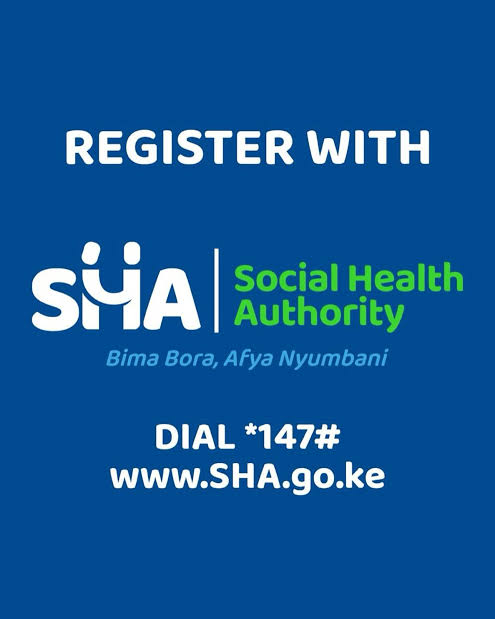
To register, beneficiaries can simply dial *USSD code 147# or access the online portals at www.sha.go.ke or www.afyayangu.go.ke.
SHA Coverage and Service Provision
The SHA has already registered 12,704,548 Kenyans, including those automatically transitioned from NHIF as per Legal Notice No. 147 of 2024.
The system continues to expand, with public hospitals, from level 2 to level 6 facilities, now seamlessly contracted to provide care to SHA beneficiaries.
The transition hasn’t been without challenges, particularly at private and faith-based hospitals, where some facilities initially turned away registered SHA members or asked for cash payments.
However, SHA has now signed contracts with 1,442 private and faith-based institutions, addressing this problem. While this number was previously reported as 1,577, the discrepancy has been attributed to duplicate entries in the system.
SHA has engaged these institutions to finalize all outstanding contracts by October 8, ensuring uninterrupted healthcare services during the interim.
Security of Patient Data
As SHA continues to build momentum, PS Kimtai emphasized that all patient data will be securely handled through the National Health Information Exchange (NHIE), which is managed by the Digital Health Agency and complies with the Data Protection Act No. 24 of 2019.
Additionally, contributions for former NHIF members will be seamlessly transferred to the SHA system, with a means-testing instrument in place to determine contributions for non-salaried members.
The government remains committed to resolving any outstanding challenges that arose during the SHA rollout, including issues with the e-claims portal.
Kimtai assured Kenyans that the Health Insurance Claims System (HICS), formerly under NHIF, will continue to function for member verification and claims management, especially for patients admitted before October 1.
In conclusion, the SHA’s fully operational status marks a crucial step in Kenya’s healthcare reform.
This provides millions of Kenyans with better access to health services, while ensuring a more efficient and secure system for managing healthcare claims and patient data.