

The United Democratic Alliance (UDA) has rolled out grassroots elections in Nyanza counties of Migori County, Kisumu County and Siaya County.
This move reflects a broader shift in Kenya’s political organisation and participation.
According to the brief, the exercise is structured as more than an internal party process.
It is designed to demonstrate organised, credible and scalable electoral systems within party structures, with emphasis on coordination, consistency and adherence to established procedures.
The elections follow a model already applied in other regions, signalling an effort to institutionalise orderly and replicable internal democracy.
The party is positioning the process as evidence of its capacity to manage structured political engagement at scale.
A key feature of the exercise is the absence of zoning or pre-determined outcomes.
Leadership positions are being openly contested, with the party emphasising a non-favouritism approach where candidates compete without regional restrictions.
This model is intended to reinforce the principle that leadership emerges through competitive participation rather than negotiated arrangements.
The rollout in Nyanza carries both symbolic and strategic significance.
The region has historically been associated with strong political alignments, and the elections signal an attempt to expand political competition beyond traditional bases.
The move points to a more fluid political environment where parties are increasingly required to organise and compete across regions.
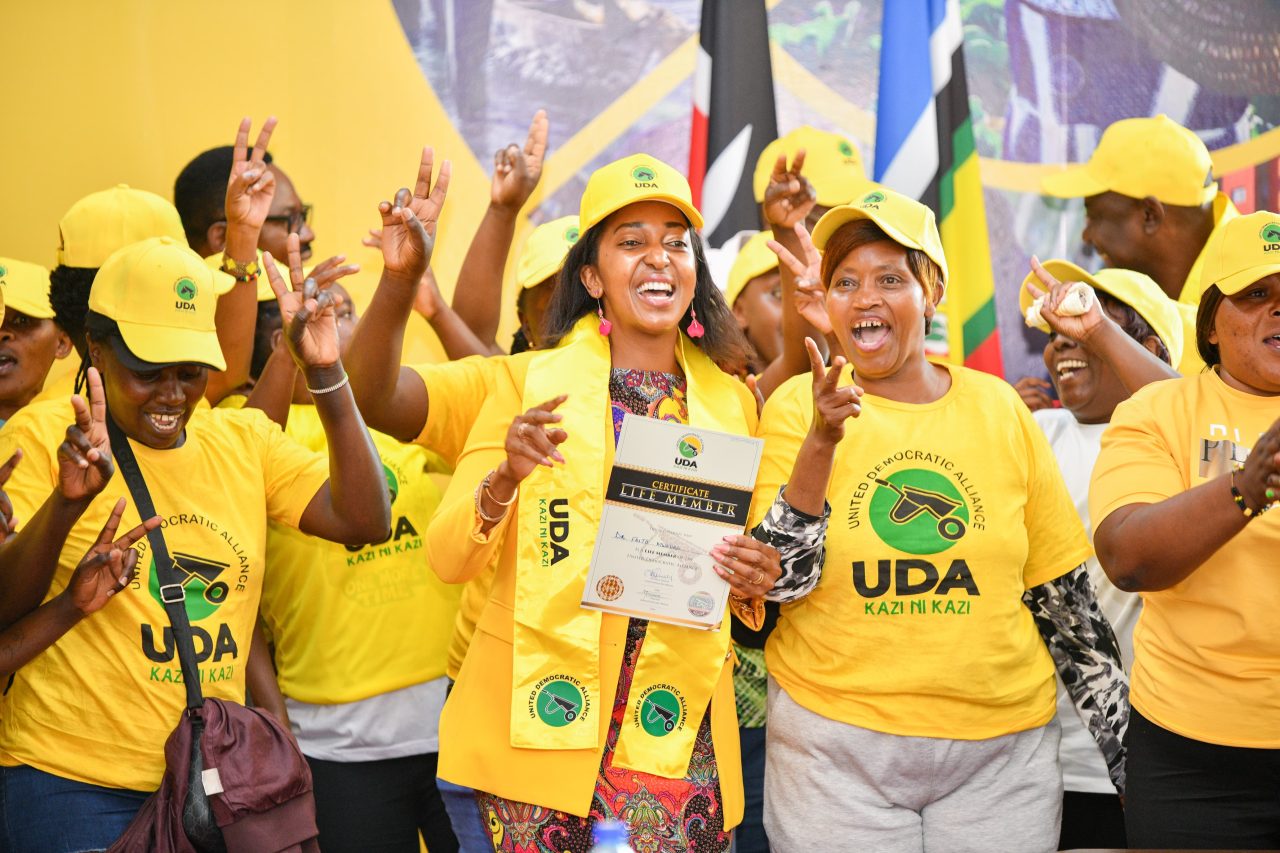
UDA’s activity in the region aligns with its broader objective of positioning itself as a national political platform with presence across the country.
By building grassroots structures in areas previously aligned with other parties, the party is seeking to broaden its reach and reinforce its identity beyond regional strongholds.
The elections are also framed around open participation, allowing individuals to engage regardless of past political affiliation or geographic background.
This approach is presented as part of a wider shift toward a more inclusive political culture, where participation is defined by engagement rather than historical alignment.
The Nyanza grassroots elections highlight evolving dynamics in Kenya’s political space, where internal party processes, competitive participation and cross-regional engagement are becoming central to political organisation.
The outcome of the exercise is expected to shape how parties structure grassroots mobilisation and expand their national footprint ahead of future electoral cycles.