NYOTA Mentorship Programme Reaches 94% of Beneficiaries Nationwide

The government has reported significant progress in the rollout of the NYOTA nationwide mentorship programme, with 94% of beneficiaries already covered since its launch in early March 2026.

The programme, implemented under the Ministry of Co-operatives and MSME Development, is designed to support young entrepreneurs through mentorship, business training and startup capital, forming part of a three-stage enterprise development model.

According to the update, 98% of those who have undergone mentorship have already started their businesses, while the remaining 2% are in the process of launching.

The mentorship includes site visits, business coaching, peer learning and networking aimed at helping beneficiaries operationalise their enterprises.

Focus on first-time entrepreneurs

The programme is largely targeting new entrants into business:

  • 65% are first-time entrepreneurs
  • 19% have less than one year of experience
  • 13% have between one and three years
  • Only 3% have over three years’ experience

This indicates a strong focus on early-stage enterprise development.

The gender distribution among beneficiaries is nearly balanced, with 51% female and 49% male, pointing to broad-based inclusion in the programme.

Agriculture and retail dominate sectors

Most businesses are concentrated in:

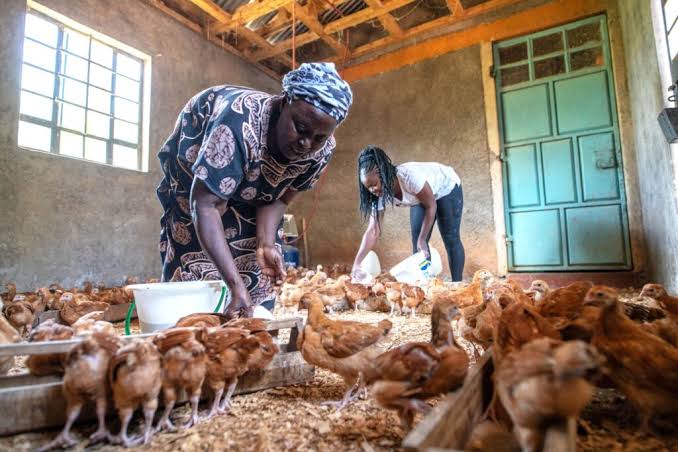
  • Agriculture and related value chains – 41%
  • Wholesale and retail – 26%
  • Fashion and design – 11%
  • Beauty and cosmetics – 7%

Other sectors include ICT, manufacturing, tourism and logistics.

A past image of President William Ruto and youths at the launch of the first cohort of the Nyota Fund Program (Image: Files)

Deadline extended for remaining beneficiaries

The mentorship programme, initially scheduled to end on March 31, has been extended to April 8, 2026 to accommodate the remaining participants who have not yet reported.

Officials noted that mentorship is mandatory ahead of the next phase of classroom-based business training.

Next phase: training and second funding tranche

The second phase of the programme – business skills classroom training – is set to begin on April 15, 2026 across all constituencies.

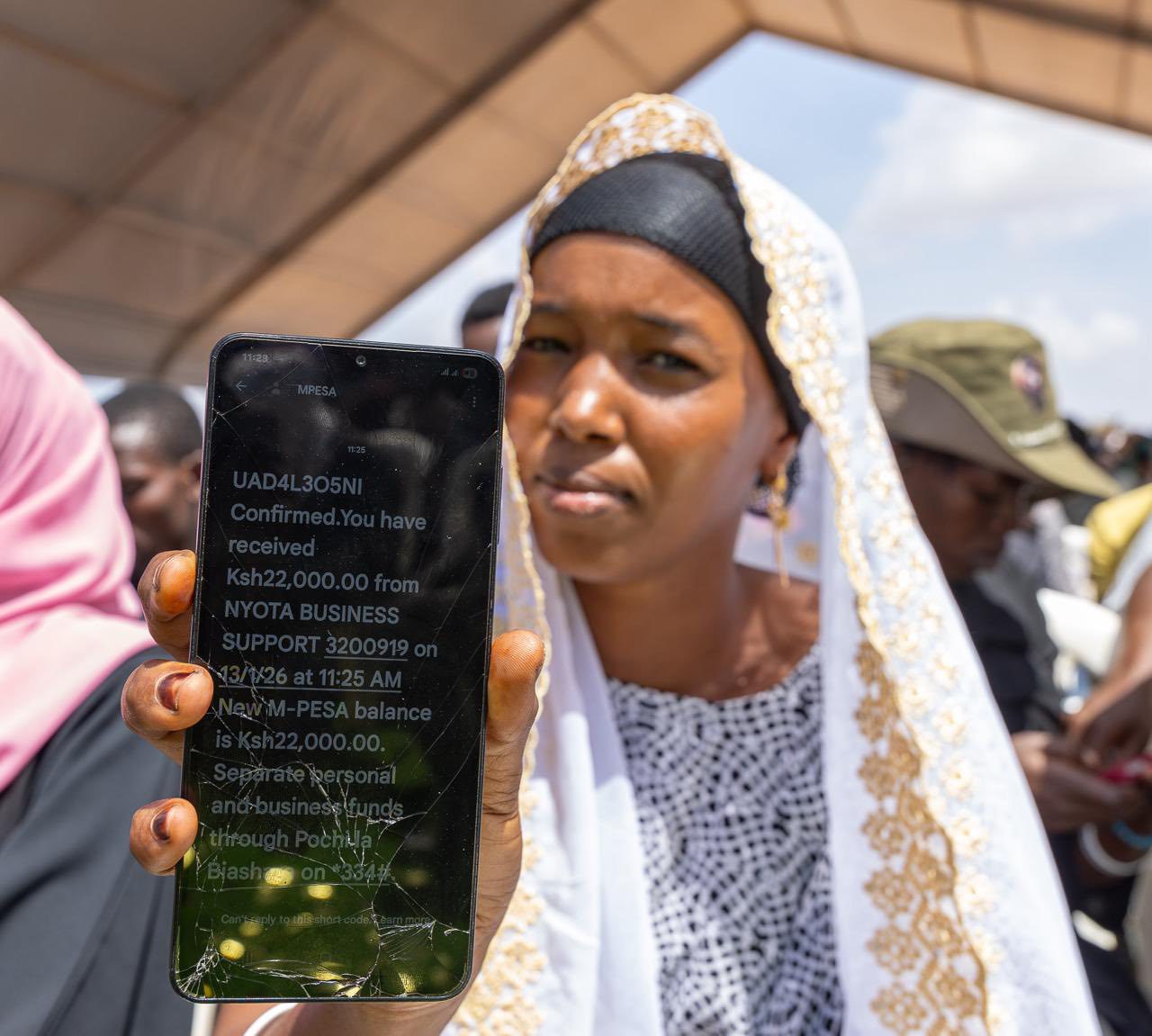
Upon completion, beneficiaries will receive a second tranche of KSh 25,000, bringing total support to KSh 50,000 per beneficiary under the programme design.

Expanded reach and support system

The programme has also engaged over 5,500 mentors and 3,600 trainers to support beneficiaries nationwide, including participants from refugee-hosting regions such as Dadaab and Kakuma.

The second disbursement is expected before the end of April, after completion of training, as the programme transitions into its next mentorship phase focused on deeper integration into the MSME ecosystem.


NYOTA Funding Sparks a Wave of Youth Businesses

The NYOTA Program is emerging as one of the government’s key youth empowerment initiatives, providing small grants and mentorship to help young Kenyans start or expand businesses.

Early observations from the programme show that the funding is already translating into new enterprises and income streams at the grassroots level.

Many beneficiaries have used the funds to purchase tools, equipment and stock needed to launch or grow their ventures.

Some have also adopted basic financial practices such as record keeping and are exploring digital platforms to market their businesses.

The program’s approach is simple: provide entry-level capital that can activate business ideas that young people already have.

Community-based enterprises

Most of the ventures being launched are small, practical businesses that respond to everyday community demand. These include:

  • Barber shops and salons
  • Grocery kiosks
  • Electronics repair businesses
  • Cooking gas vending outlets
  • Other retail and service ventures

Because these businesses serve local needs, they tend to have immediate customer bases and a higher chance of survival.

Seed capital for entrepreneurship

For many youth, the NYOTA grant functions as starter capital rather than full business financing.

Beneficiaries are using it to expand existing businesses, increase working capital or launch modest enterprises that can grow over time.

In some cases, equipment has been acquired through hire-purchase arrangements, allowing entrepreneurs to scale gradually while managing costs.

Early signs of profitability

Initial reports show that several youth businesses are already generating income.

Profit margins in retail and service ventures have been reported in the range of 30 to 60 percent, depending on the nature of the enterprise.

While many businesses remain owner-operated, the expectation is that employment opportunities will emerge as these ventures stabilize and expand.

One key finding from the programme is that many beneficiaries had business plans before receiving funding.

Some had already identified suppliers, researched markets and located premises. The grant acted as the final push needed to launch their ideas.

Mentorship alongside capital

Mentorship is a core element of the programme. Each beneficiary is linked to a mentor who provides guidance on:

  • Bookkeeping
  • Business management
  • Marketing and customer relations
  • Financial discipline

The goal is to help young entrepreneurs transition from informal hustles to more structured enterprises.

A roadside grocery stall in Nyeri County (Image: Files)

Early reception among youth

Initial feedback suggests that the programme has been widely embraced by young entrepreneurs.

Many are attending mentorship sessions, reinvesting profits into their businesses and using earnings to support daily needs and family expenses.

Despite wider public debate, many beneficiaries view the programme primarily as working capital for building livelihoods, with concerns focused on transparency, fair access and the long-term continuity of funding.

A starting point for youth enterprise

The programme’s broader objective is to help young people transition from job seekers to business owners.

If sustained, the model could gradually expand grassroots entrepreneurship and create additional employment as small enterprises grow.

For now, the early picture suggests a programme focused on practical businesses, small capital injections and mentorship support aimed at helping Kenya’s youth turn ideas into working enterprises.

Nyota Fund : A Snapshot of Public Opinion

A new January 2026 national opinion poll by Infotrak Research offers a rare chance to listen to what Kenyans are saying about the fund.

First off, awareness of the Nyota Fund is high.

According to the poll, 78% of Kenyans have heard about the programme, with strong awareness across all regions – from Coast to Nairobi, Nyanza to Rift Valley.

Young people aged 18 – 35, the main target group, show especially high awareness.

Nyota Fund – The Perceptions

When asked what the fund actually focuses on, the message from the public is clear:

  • 65% believe Nyota is mainly about grants to start businesses.
  • 19% see it as training and mentorship for youth.
  • Only 4% associate it with savings or financial inclusion.

That shows that Nyota is being understood first as startup capital, not a long-term financial system.

Whether that perception matches policy intent is a conversation policymakers may want to lean into.

Who’s Benefiting from Nyota Fund? 

Engagement is growing, but it’s not universal.

  • 36% say they or someone close to them has participated.
  • 11% applied but were not selected.
  • 52% say they haven’t engaged at all.

Participation is higher in regions like Rift Valley and Western, while Nairobi – perhaps surprisingly – sits closer to the national average.

This shows that Nyota Fund is visible, but access still feels uneven.

Is the Nyota Fund system fair?

Ask Kenyans whether Nyota’s eligibility rules are fair, and you’ll get a divided room:

  • 44% say the criteria is fair.
  • 46% say it is not.
  • 10% are unsure.

That split runs across regions, age groups, and gender.

It suggests a programme that is well-intended, but still struggling with public trust around inclusion and selection.

Is Nyota Fund proofed against fraud? 

Nyota Fund is subject to fraud checks, quite necessary, but not painless.

Nyota’s in-person validation process – meant to reduce fraud – is largely supported.

  • 57% say it works without creating barriers.
  • 32% feel it still locks people out.

This is classic Kenyan logic: tupunguze wizi, lakini tusiumize watu.

The public largely accepts oversight but also wants it humane, accessible and efficient.

Who should Nyota prioritise?

Here, Kenyans are very clear:

  • 44% say unemployed youth should come first.
  • 26% want youth with business ideas supported, education aside.
  • 19% prioritise people living with disabilities.
  • Smaller numbers point to Jua Kali workers and graduates.

The overall message is that Nyota is seen as a lifeline for those locked out of opportunity, not just degree holders or polished entrepreneurs.

President William Ruto interacts with Nyota Fund beneficiaries during an activation event in Nyeri County (Image: Files)

Is KSh 50,000 enough?

Surprisingly – and this matters – 77% of respondents say Ksh50,000 is enough to start a business.

Only 19% say it’s too little, while a tiny fraction are unsure. This isn’t about building empires overnight.

It’s about getting started – stock on the shelf, tools in hand, momentum rolling.

Transparency issues on Nyota Fund

When it comes to transparency, opinions are again split:

  • 25% say the process is very transparent.
  • 32% say somewhat transparent.
  • 31% say not transparent.
  • 11% don’t know.

That tells us Nyota has credibility – but it’s fragile.

Communication, clarity, and consistent feedback will likely decide whether public confidence grows or stalls.

In a Nutshell …..

Strip away the charts and percentages, and one thing stands out: Kenyans want Nyota to work.

They understand its purpose and support its goals – because its easy to see its potential. But they are also asking for fairness, clarity, and follow-through.

Nyota Fund sits at the intersection of hope and accountability. If it listens closely to these voices – not just the applause, but the concerns – it could become more than a fund.

It could become a real engine for youth-led economic momentum.

And that, for many young Kenyans, would be the real star.