
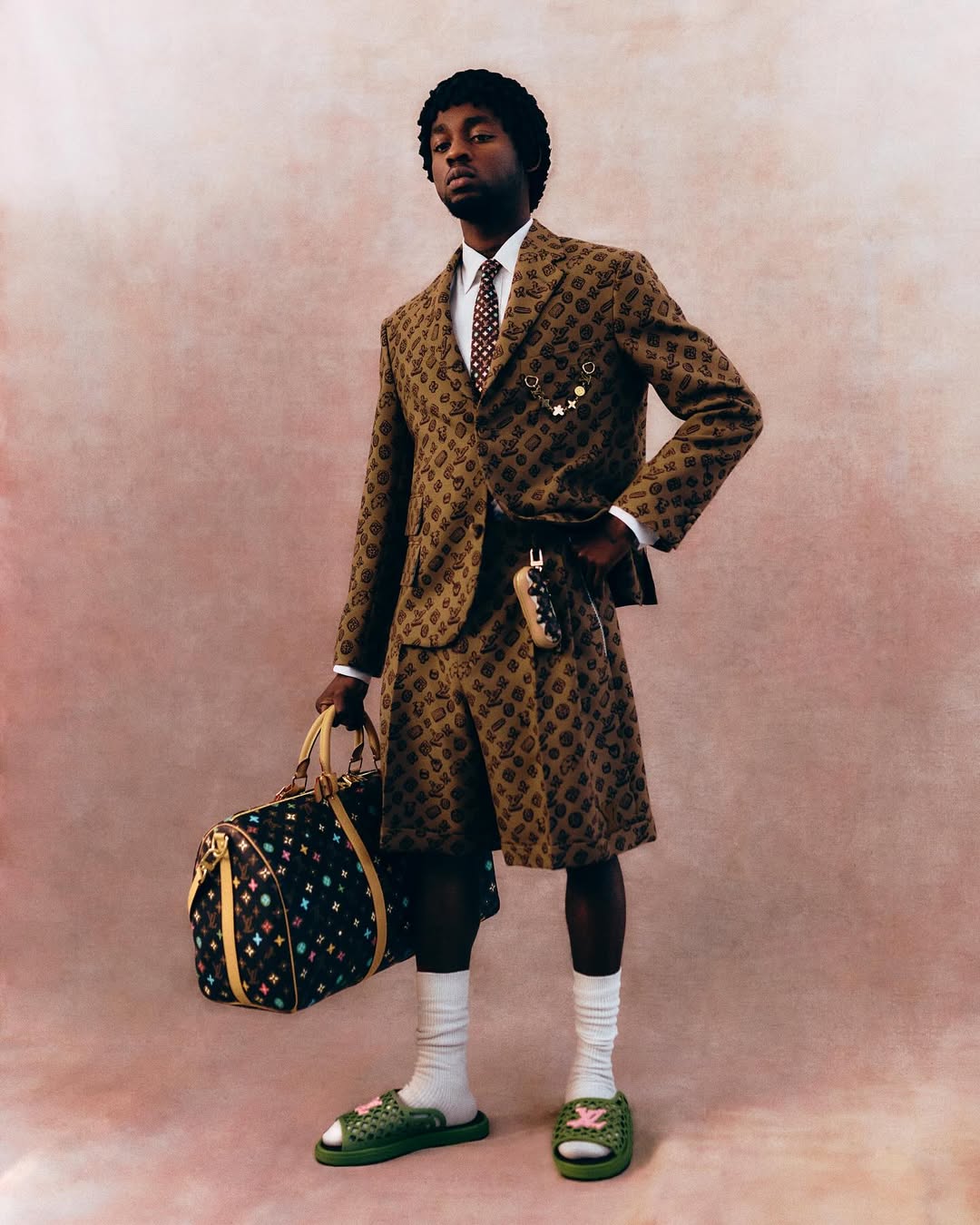
Nigerian star Omah Lay has opened up about one of the most difficult moments in his career: sharing a concept with a fellow artist, only to watch that person release an album based on his idea. The betrayal forced him to scrap his initial project and re-record an entirely new album.
His story underscores a reality that resonates far beyond Nigeria – including in Kenya – idea theft is a growing threat to creatives. In industries where originality defines success, protecting your work is just as critical as creating it.
Safeguarding Your Creative Work
-
Document Everything
Keep records of your creative process. Emails, drafts, voice notes, and even social media posts can serve as digital timestamps proving when an idea was first yours. Something as simple as a WhatsApp recording or studio draft may later stand as vital evidence. -
Put Agreements in Writing
If you’re collaborating, don’t rely on verbal promises. Draft a written agreement that spells out ownership rights. Too many Kenyan creatives depend on handshakes, only to discover these carry little weight in disputes. -
Leverage Kenya’s IP Laws
Under the Kenya Copyright Board (KECOBO), musicians can copyright lyrics, writers can protect manuscripts, and visual artists can register their creations. Registration may feel tedious, but it can be the difference between recognition and exploitation. Membership in bodies like MCSK or PRISK also helps when claiming royalties. -
Do Your Due Diligence
Before sharing concepts, check the other party’s reputation. Have they been accused of stealing ideas before? Trust matters, but due diligence is better protection. -
Keep Some Ideas Close
Not every concept should be shared widely. Omah Lay’s ordeal is a reminder to guard your most valuable projects until you’re ready to launch.
Legal Recourse in Kenya
If theft has already occurred, Kenyan creatives are not powerless. Options include:
-
Filing a copyright infringement claim through KECOBO or in court.
-
Seeking injunctions to stop release of disputed material.
-
Demanding compensation if the stolen work has generated income.
Engaging a lawyer – especially one with intellectual property expertise – or working with legal aid groups can make all the difference.
Omah Lay’s experience is a cautionary tale. For creatives in Kenya and across Africa, the lesson is clear: your art is valuable – protect it before you share it.