President Ruto Under Fire Over Remarks After Tanzania State Visit

What was intended to be a historic tour to strengthen bilateral ties between Kenya and Tanzania has instead been overshadowed by a significant diplomatic blunder. President William Ruto’s recent address to the Tanzanian Parliament is now the latest entry in a series of unconventional—and often problematic—diplomatic moves that have forced the “Chief Diplomat” to backtrack on his own words.

In an arena governed by strict protocol, tact, and calculated communication, President Ruto has faced increasing criticism for an approach that analysts describe as impulsive and uncoordinated.

The Tanga Refinery “Surprise”

The most recent incident occurred in Tanzania, where President Ruto announced a multi-billion-dollar joint oil refinery project in Tanga. The revelation came as a shock to his host, President Samia Suluhu Hassan, who reportedly only learned of the “joint” plan through news reports.

During a subsequent meeting, President Suluhu did not mince words, noting that she had to “press” Ruto for an explanation as to why such a massive project was announced without her knowledge. President Ruto was forced to offer a public apology of sorts, admitting that his decision had not “sat well” with his host and jokingly suggesting he should have announced it for Mombasa instead.

A Pattern of “Unconventional” Diplomacy

This is not an isolated incident. Only weeks prior, the President drew the ire of Nigeria, the continent’s most populous nation, during a public address. While praising Kenya’s command of the English language, he took an unnecessary swipe at Nigerians.

“We speak some of the best English in the world. If you listen to a Nigerian speaking, you do not know what they are saying. You need a translator even when they are speaking English,” Ruto remarked.

The comment was widely viewed as demeaning and sparked a backlash from West African netizens and officials alike.

The Diplomat’s Dilemma

Nearly four years into his presidency, Ruto’s trail of verbal slip-ups has created a recurring headache for Kenya’s Ministry of Foreign Affairs. While the President is known for his eloquence and persuasive oratory, his tendency to make spontaneous policy announcements or off-the-cuff remarks about sovereign neighbors continues to test the patience of regional partners.

As Kenya seeks to position itself as a leader in regional integration and global climate action, analysts suggest that the Head of State may need to trade his “unconventional” style for the traditional rules of order and skill that international diplomacy demands.
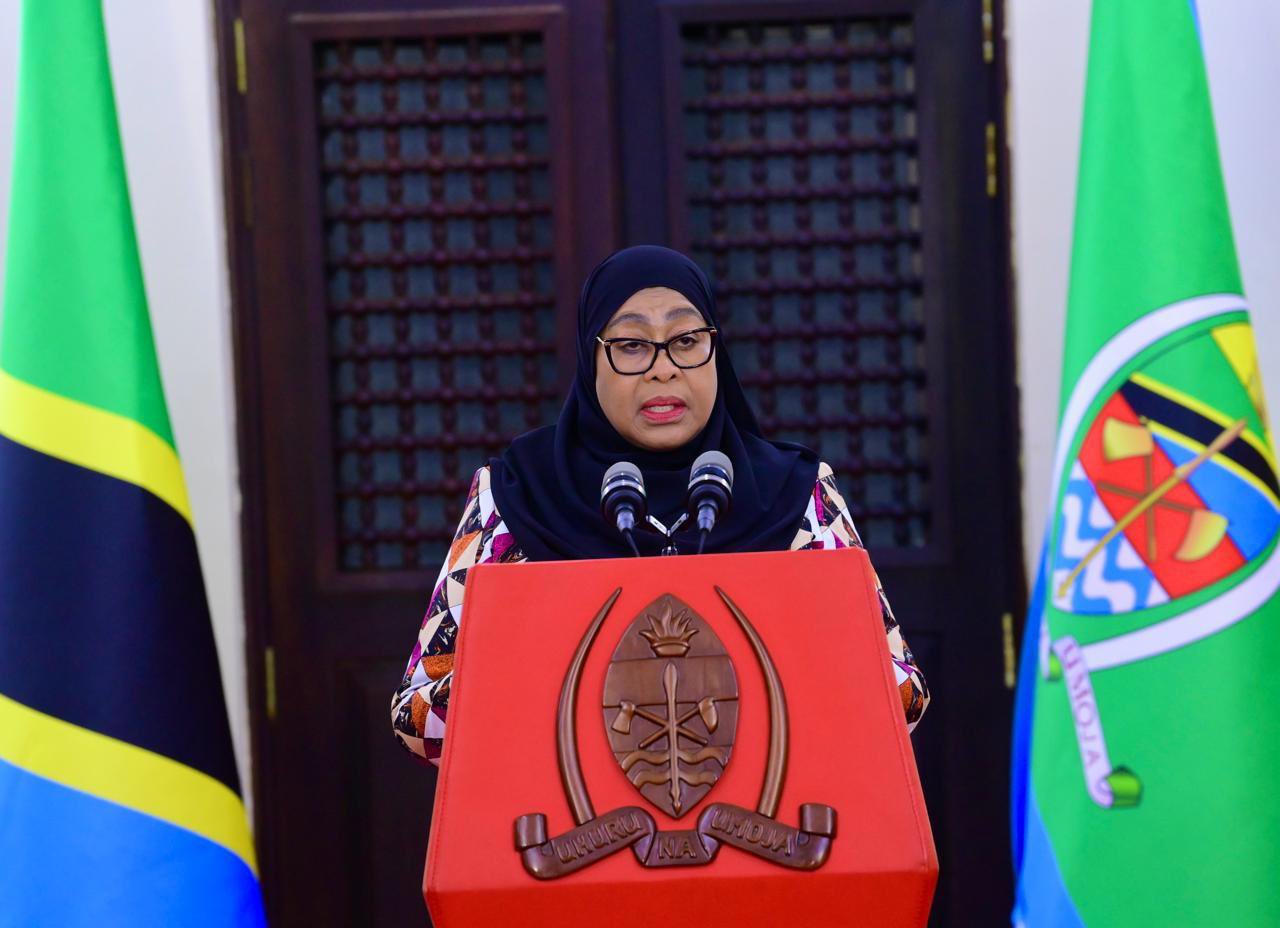
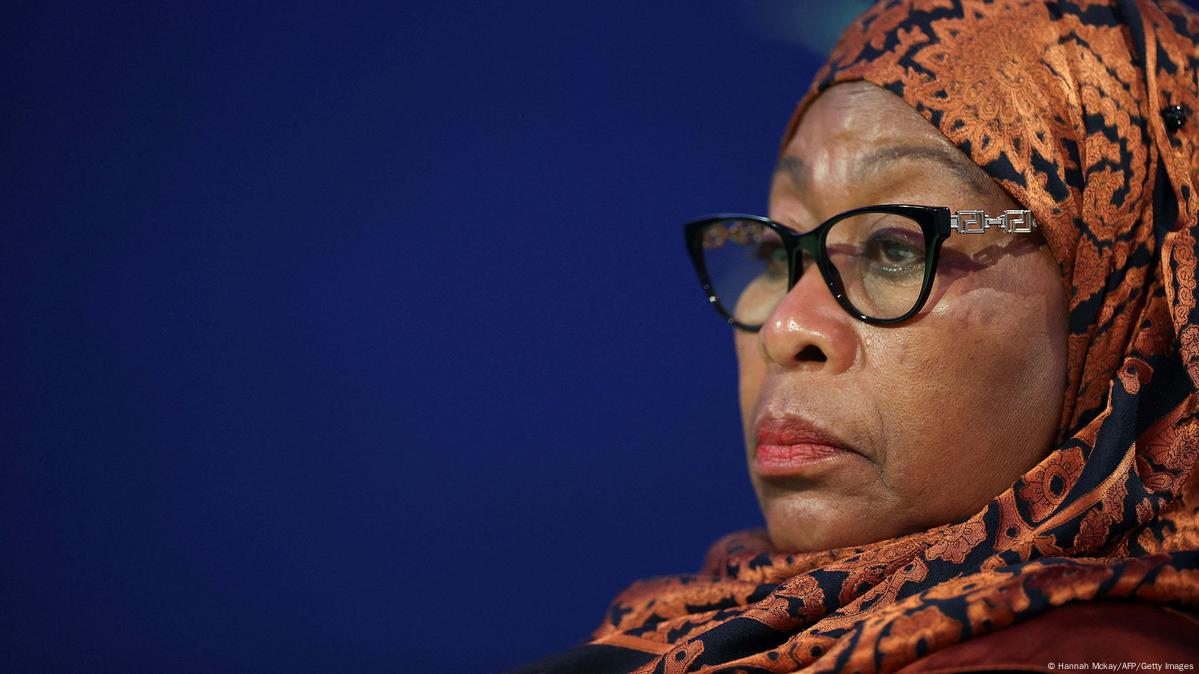
Following Samia Suluhu’s regime’s post-election massacre, Trump demands reevaluation of American ties to Tanzania

The United States has announced a comprehensive review of its relationship with Tanzania following a turbulent October election period that saw deadly force used against protesters, escalating restrictions on free expression, and new obstacles facing American businesses in the country.

According to a statement from the U.S. State Department, the unrest and post-election violence have raised serious concerns about whether President Samia Suluhu Hassan’s administration can still be considered a reliable partner.

Washington Alarmed by Rising Instability

U.S. officials say the events surrounding the disputed poll not only undermine democratic principles but have also endangered American citizens and U.S. interests operating in Tanzania.

The State Department warned that the trajectory of bilateral relations will depend heavily on the actions taken by the Tanzanian government in the coming months — particularly regarding human rights protections, accountability for violence, and the safety of foreign investors.

Concerns Over Investment Climate and Freedoms

Businesses linked to the United States have reportedly encountered new administrative and political hurdles, raising fears that Tanzania’s investment environment is becoming increasingly unpredictable.

Meanwhile, human rights groups have condemned the use of lethal force on demonstrators and criticised the tightening of space for dissent, expression, and civic engagement.

A Relationship at a Crossroads

The U.S. review signals a shift in Washington’s previously warming posture toward President Samia’s government, which had been praised in earlier years for reopening media freedoms and improving relations with the West.

Now, American officials say the continuation of cooperation — including economic support, security partnerships, and diplomatic engagement — hinges on whether Tanzania demonstrates clear progress in restoring public trust, safeguarding civil liberties, and preventing further political violence.

The coming months will determine whether the long-standing partnership stabilises or continues to deteriorate.

US Issues Security Alert For Tanzania Ahead Of Scheduled Anti-Government Protests

The United States Embassy in Dar es Salaam has issued a security warning for Tanzania ahead of nationwide anti-government protests scheduled to begin on Tuesday, December 9.

In a statement released on Monday, December 1, the U.S. Embassy advised travelers to prepare for widespread disruptions, including potential nationwide curfews, roadblocks, internet blackouts, ferry cancellations to Zanzibar, and disruptions to international flights.

The alert highlights concerns regarding heightened security measures, particularly for foreign nationals, following recent post-election unrest that involved the destruction of infrastructure and the use of force against civilians.

Increased Scrutiny and Digital Searches

The Embassy specifically noted that foreign nationals are likely to experience increased attention from Tanzanian authorities. Security forces have reportedly been searching foreigners’ electronic devices for evidence connecting them to unrest or containing politically sensitive content.

“Following recent unrest, foreign nationals have experienced increased attention from local security authorities, and security forces have searched electronics for evidence of connection to unrest or politically sensitive content,” the statement read.

Tanzanian police have reminded the public that sharing pictures or videos that may cause panic is an offense under local law.

READ ALSO; Betty Bayo’s Widower Tash Makes First Public Appearance, Addresses Online Scrutiny

Opposition Calls for Demonstrations

The protests are intended to demonstrate against police killings that reportedly took place during last month’s election period, which opposition parties claim resulted in hundreds of deaths.

The country’s opposition, which labeled President Samia Suluhu Hassan’s victory in the recent elections a “mockery of democracy,” is actively mobilizing the public for the demonstrations.

In response to the tension, the Tanzanian government canceled the traditional December 9 Independence Day celebrations. Prime Minister Mwigulu Nchemba announced that the funds earmarked for the celebrations would instead be utilized to rebuild infrastructure damaged during the recent election unrest. He urged Tanzanians to avoid chaos and engage in political dialogue with the government.

Samia Suluhu under siege as Trump demands truth on Tanzanian post-election massacre

The Tanzanian government is facing mounting global condemnation after a damning CNN investigation alleged state-sanctioned violence, fatal shootings, and the concealment of bodies in mass graves following the disputed October 29 elections.

The revelations surfaced just hours before Tanzania abruptly cancelled its Independence Day public celebrations—an unprecedented move that has only fueled speculation about the scale of the crisis.

U.S. Senate Demands Immediate Action

The U.S. Senate Foreign Relations Committee Democrats (SFRCdems), led by Senator Jeanne Shaheen, swiftly reacted to the report, calling the findings “disturbing” and indicative of systemic efforts to silence dissent.

“Evidence of mass graves shows an unacceptable attempt to cover up gross violations of human rights,” the committee said, insisting that an independent investigation must begin immediately.

CNN Investigation Exposes Brutal Crackdown

The violence erupted after President Samia Suluhu Hassan claimed victory with a controversial 98% of the vote—a result that provoked widespread public outrage.

CNN’s investigation, led by Larry Madowo, documented the deadly force used against predominantly young protesters. Forensic analysis of video and audio evidence supported witness claims that security forces fired live ammunition.

In Arusha, an armed police advance was followed by a volley of gunshots. Among the victims was a pregnant woman—her family’s sole breadwinner—who was shot in the back and killed instantly. Experts confirmed the gunfire originated from police positions.

Overwhelmed Morgues, Alleged Mass Graves

The crackdown stretched from late October into early November, leaving morgues across multiple cities overwhelmed.

A doctor in Mwanza, speaking anonymously, described the harrowing influx of bodies:

“Four trips with piles of dead bodies taken to the mortuary until it was full, just for others to be piled outside.”

Facilities in Dar es Salaam—including Mwananyamala hospital—faced similar strain. Authorities are now accused of secretly dumping bodies into mass graves to obscure the actual death toll.

Satellite images cited by CNN appear to support this allegation, showing fresh soil disturbances in a cemetery shortly after the protests.

The main opposition party alleges that at least 2,000 people were killed—a figure the government has vehemently rejected.

Government on the Defensive

Under growing pressure, President Hassan has launched a commission of inquiry, though officials have declined to provide any official casualty figures.

Chief Government Spokesperson Gerson Msigwa dismissed the opposition’s claims as “grossly exaggerated” and criticized CNN’s report, asserting it did not meet “professional or fair journalistic standards.”

Independence Day Cancelled Amid Fears of Fresh Protests

In a significant domestic development, Prime Minister Mwigulu Nchemba announced the cancellation of the December 9 Independence Day celebrations. He said the decision would allow funds to be redirected toward repairing damaged infrastructure and stabilising the struggling economy.

However, analysts say the timing is telling: opposition groups had already announced large-scale protests for the same day. The cancellation is widely viewed as a pre-emptive measure to blunt a new wave of demonstrations against President Hassan’s embattled administration.

Continuing Clampdown

Even as calls for accountability grow, police have escalated arrests targeting administrators of social media groups accused of incitement and mobilising for the planned December 9 protests.

With both regional and international bodies questioning the legitimacy of the October election, Tanzania now finds itself under unprecedented scrutiny—its government struggling to contain both domestic unrest and global outrage.

CNN expose reveals Suluhu’s police forces killed and buried protesters in mass graves

A chilling CNN exposé has blown the lid off the shocking violence that erupted across Tanzania after election day — a brutal crackdown so deadly that its true scale is only now coming to light.

In a hard-hitting investigation led by Larry Madowo, CNN uncovered harrowing scenes of chaos as security forces unleashed terror on protesters furious with President Samia Suluhu Hassan’s government, which they accused of stealing the election.

What unfolded on Tanzania’s streets was nothing short of a manhunt.


‘Too Scared to Talk’: Witnesses Silenced by Fear

Three weeks after the bloodshed, CNN and famed open-source investigator Benjamin Strick pieced together the horror from dozens of videos and digital clues.

Their forensic analysis confirmed deaths across multiple cities — including Arusha, where two people were gunned down at the same intersection.

One victim, a woman carrying only a stick and a rock, was shot in the back as police advanced. She collapsed immediately. She was three months pregnant and the sole provider for her family.

Audio forensics traced the fatal gunshots directly to police positions.

And investigators say these confirmed deaths represent only a tiny glimpse of what truly happened.


Bodies Everywhere: Morgues Overflowing, Streets Turned Into Graveyards

Between late October and early November, the violence intensified. In Mwanza, the country’s second-largest city, the carnage was unmistakable.

Bodies piled up outside the regional hospital.

A doctor — too afraid to reveal his identity — described a nightmare scene:

“Four trips with piles of dead bodies were taken to the mortuary until it was full — then more were dumped outside.”

Doctors claim police blocked access to the wounded, dragging some victims straight to the mortuary, “so they could die there.”

In Dar es Salaam, the story was the same. A woman told CNN she found her missing brother among dozens of corpses lying on the morgue floor.


Mass Graves Allegedly Dug to Hide the Dead

CNN’s investigation uncovered claims that authorities tried to hide the bodies by dumping them in mass graves.

Videos showed large patches of freshly dug earth. Testimonies said young men were ordered to dig burial pits for the many dead.

CNN could not independently verify the graves, but satellite images showed clear signs of disturbed soil before and after the protests — consistent with mass burials.

Tanzania’s main opposition party believes at least 2,000 people were killed in just one week.

Tanzanian Influencer Niffer Jovin Charged with Treason After Posting Dance Video

What began as an innocent TikTok dance video has exploded into a major political controversy in Tanzania. Social media influencer Niffer Jovin is facing treason charges after sharing a short clip of herself dancing to a viral song titled “Raïs Samia – MAANDAMANO YA Nywi-nywi-nywi.”

The track—whose title loosely translates to “President Samia – The Nywi-nywi-nywi Protests”—has gained traction across East Africa for its satirical take on the post-election tension gripping Tanzania.

In the now-viral clip, Jovin is seen cheerfully dancing and laughing to the beat—an act that authorities have now deemed a national-security offence. Officials accuse her of “mocking the Head of State and inciting public disorder.”

Arrest and Charges

Jovin was reportedly arrested on Wednesday night in Dar es Salaam and appeared in court the following day, where she was formally charged with treason—a capital offence under Tanzanian law that carries the death penalty.

Outrage and Reactions Online

The arrest has triggered an avalanche of outrage across X (formerly Twitter), with thousands of users condemning the government’s move as an assault on free speech and creative expression.

Many Tanzanians and Kenyans have ridiculed the charge, calling it an overreach.

@RajYusuf1: “If dancing is treason, then what happens when you sing along? Straight to the gallows?”
@anamanjia_a: “Did treason change its meaning?”
@Dantire200: “She’s forgetting in Kenya we have Tanzanians. Female dictator vibes.”
@ErNyoni: “This is extremely petty.”
@IMongomongo: “Definition of treason, Tanzanian edition

Tanzanians Forced to Collect Bodies Off the Streets After Days of Bloodshed

Dar es Salaam, Tanzania – A grim scene has unfolded across several Tanzanian cities as residents are being forced to collect bodies from the streets following days of violent unrest sparked by the disputed October 29, 2025, general election.

What began as protests over alleged electoral irregularities has spiraled into chaos, leaving dozens dead and hundreds injured as security forces clash with demonstrators demanding transparency and justice.

In cities like Dar es Salaam, Mwanza, and Arusha, eyewitnesses describe scenes of horror — lifeless bodies lying in the open for days as authorities struggle to contain the violence. With emergency response services overwhelmed, locals have been seen using makeshift stretchers and handcarts to retrieve the bodies of victims from the streets.

“We couldn’t just leave them there,” said one resident of Dar es Salaam’s Temeke area. “The police were nowhere to be seen, and the bodies were beginning to decompose. We had to act.”


Rising Death Toll and Fear

Human rights groups estimate that dozens may have died in the clashes, though exact numbers remain unclear due to restricted media access and intermittent internet blackouts. Hospitals across affected regions are overwhelmed, with reports of severe shortages of blood and medical supplies.

Unverified videos circulating on social media show civilians carrying bodies wrapped in sheets or plastic bags, while others dig shallow graves to bury the dead. In some regions, religious leaders and volunteers have stepped in to coordinate community burials, citing the absence of official intervention.

“This is beyond politics — it’s a humanitarian crisis,” said a church leader in Mwanza. “Families can’t find their loved ones, and those who do are forced to bury them themselves.”


View this post on Instagram


A post shared by PLUG TV KENYA (@plugtvkenya)


Government Silence and Public Outrage

Despite mounting evidence of violence, the Tanzanian government has remained largely silent. State broadcasters have downplayed the unrest, referring to it as “isolated incidents,” while opposition groups accuse the authorities of using excessive force to silence dissent.

The disputed election, which saw President Samia Suluhu Hassan declared the winner amid allegations of vote-rigging and suppression of opposition supporters, has plunged the nation into turmoil. Opposition leader Tundu Lissu has called for international intervention, describing the killings as “a stain on the conscience of our nation.”


Communities in Mourning

In Bongo, Songea, and other towns, the smell of tear gas still lingers in the air. Burned vehicles, shuttered shops, and deserted streets paint a haunting picture of a country on edge. Many residents remain indoors, fearing renewed clashes, while others risk their lives to search for missing relatives.

“We’re collecting bodies while our leaders argue,” said a grieving mother in Arusha. “No one deserves to die like this.”


International Calls for Calm

The African Union, United Nations, and several foreign embassies have issued statements urging restraint and calling for an independent investigation into the violence. However, with reports of ongoing arrests and disappearances, many fear the situation could worsen before stability returns.

As the bloodshed continues, ordinary Tanzanians are left to carry the unbearable burden — retrieving the dead, comforting the injured, and trying to make sense of a nation unraveling before their eyes.

Tensions Erupt Across Tanzania as Election Day Turns Chaotic

Tanzania’s election day has been marred by unrest and growing uncertainty after protests erupted in several regions, leading to reported vandalism at polling stations and heightened security concerns.

Witnesses and local reports indicate that groups of demonstrators clashed with police in key urban areas, expressing frustration over what they described as a lack of transparency and fairness in the electoral process. Videos circulating on social media show crowds chanting slogans demanding accountability, while others accuse election officials of bias and irregularities in voter registration and ballot handling.


View this post on Instagram


A post shared by ULIZA LINKS (@ulizalinks)

Protests and Vandalism Reported

In some regions, polling materials were reportedly destroyed, and voting temporarily halted as security forces moved in to restore order. Authorities have yet to release an official statement detailing the extent of the damage, but early accounts suggest that several polling centers were targeted by angry mobs.

The protests, which began in the early morning hours, quickly spread to multiple towns as tensions escalated between voters and law enforcement.

Concerns Over Safety and Turnout

The unrest has raised serious concerns over voter safety and the overall credibility of the elections. Human rights groups have urged authorities to ensure calm and protect citizens’ right to vote freely.

Analysts warn that the growing instability could suppress voter turnout, especially in areas affected by violence. “When voters feel unsafe, the legitimacy of the process is automatically questioned,” noted one regional political observer.

Observers Monitoring Closely

International and regional election observers are closely monitoring developments on the ground. While polling continues in some areas, delays and disruptions have been reported in others, heightening fears that the chaos could influence the final results.

As Tanzania heads deeper into what was expected to be a defining election, all eyes are now on the electoral commission and security agencies to determine whether calm can be restored — and whether the integrity of the vote can be preserved amid growing public distrust.

For now, the situation remains tense, with both local and international communities urging restraint and transparency in the crucial hours ahead.

Tanzanian President Samia Suluhu Hassan Visits Former Prime Minister’s Home, Sparks Backlash

Tanzanian President Samia Suluhu Hassan visited the home of former Prime Minister Mzee John Samwel Malecela to offer her condolences following the death of his son, William Malecela (Lemutuz). However, the visit sparked backlash online after it was revealed that Hassan had brought her official presidential chair with her.

In a photo shared on Twitter by Tanzania’s State House, Hassan can be seen seated in her chair while Malecela and his wife are seated on a brown sofa. The chair is a stark contrast to the brown color scheme of the Malecela’s living room, and it appears that space had been cleared in the room to accommodate it.

The photo quickly went viral, and many Tanzanians took to Twitter to express their disapproval of Hassan’s decision to bring her chair. Some people argued that it was disrespectful to the Malecela family, while others said that it was a waste of taxpayer money.

“I understand that the president is a very important person, but this is just ridiculous,” one Twitter user wrote. “She couldn’t just sit on the sofa like everyone else?”

“This is just another example of how out of touch the president is with the common people,” another user wrote. “She doesn’t care about us, she only cares about herself.”

Hassan has not yet responded to the backlash.

Analysis:

The backlash against Hassan’s decision to bring her chair with her to the Malecela’s home is a reflection of the growing dissatisfaction with the Tanzanian government. Many Tanzanians feel that the government is out of touch with the needs of the people, and they are increasingly critical of the president’s actions.

The photo of Hassan sitting in her chair in the Malecela’s living room is a powerful image that symbolizes the disconnect between the government and the people. It is a reminder that the government is not always there to serve the people, but rather to serve itself.

The backlash against Hassan is also a sign of the growing power of social media in Tanzania. In the past, the government was able to control the narrative and silence dissent. However, social media has made it easier for people to share their thoughts and opinions, and it has given them a platform to challenge the government.

The backlash against Hassan is a sign that the Tanzanian people are no longer afraid to speak out against the government. It is a sign that the government is losing its grip on power, and it is a sign that change is coming to Tanzania.