
PS Omollo’s Widow Empowerment Program Means Stability for Widows in Kenya

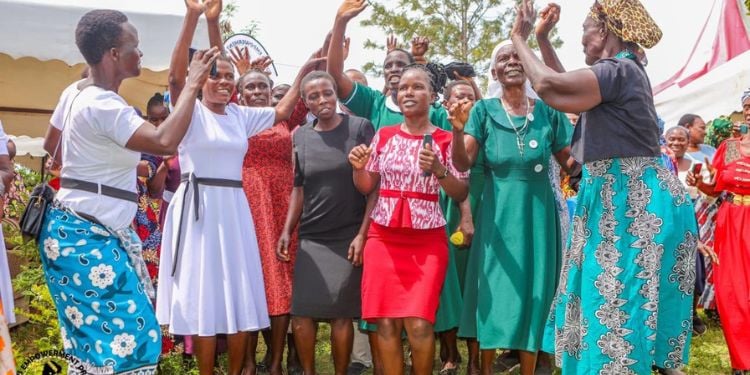
PS Raymond Omollo hosted hundreds of widows at Jaramogi Oginga Odinga University of Science and Technology in Bondo, Siaya County as part of the highly acclaimed Widow Empowerment Program.

It was a moment of solidarity with widows, who were once isolated and overlooked – and offer support, dignity and a pathway to economic independence.

The Interior PS Dr. Raymond Omollo, is the driving force behind the Widows Empowerment Programme which has has now touched more than 22,620 widows and 377 groups across Kenya.

Families in Siaya, Homa Bay, Kisumu, Migori and beyond have been part of this journey.

Some have received new homes, transforming conditions that once offered little protection from weather or insecurity.

Others have received livelihood support, materials for small businesses, water tanks, furniture, wheelchairs, seedlings, and tools to build a future that is no longer held down by loss.

The Program isn’t limited to big events or one county.

From Homa Bay’s Tang Chon Ber widows to the Wagwe South Widows in Karachuonyo, the initiative has worked with groups at the ward and constituency levels.

In Homa Bay, widows have received skills training, financial support, and mentorship – helping them break cycles of poverty and build stability for their families.

In Kisumu East and West, nearly a hundred widow groups have benefitted through support for small businesses, water access solutions, and communal projects that strengthen local economies.
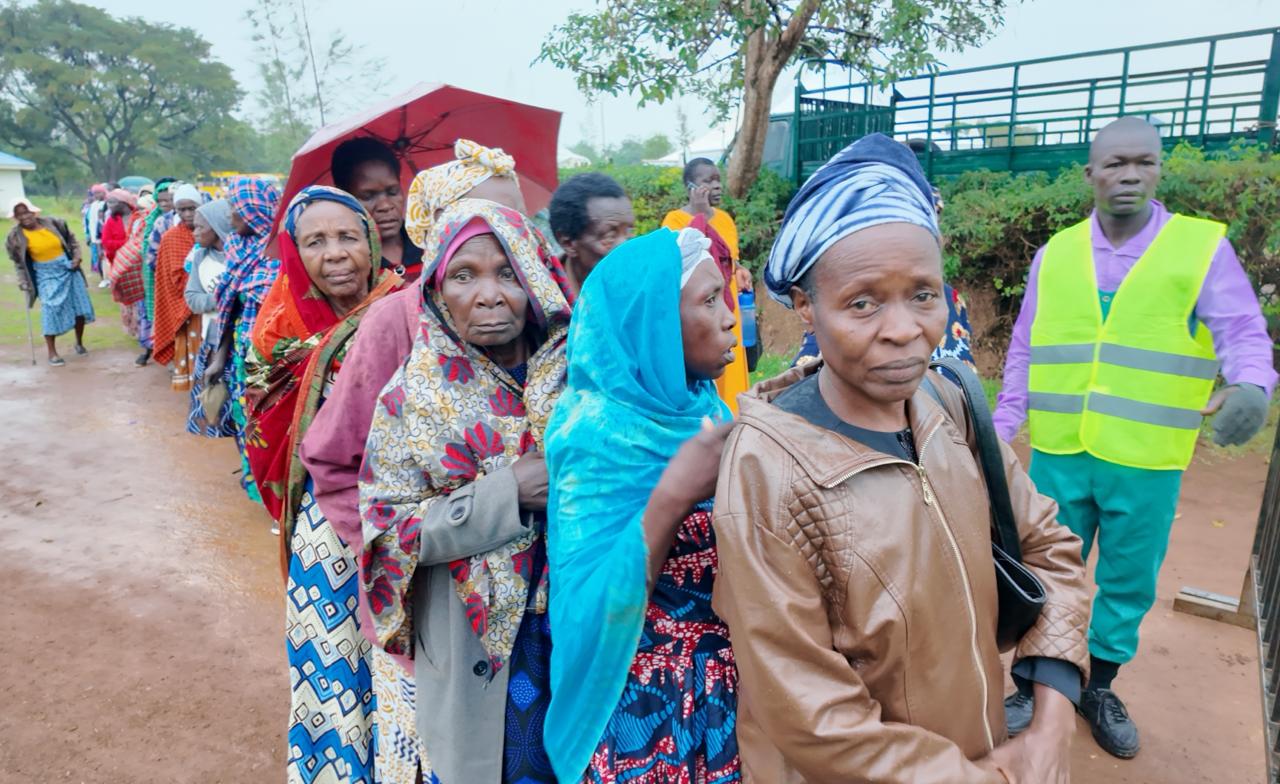
Widows during the event in Karachuonyo Constituency of Homabay County (Image: Files)

What sets this programme apart is the breadth of its support:

Housing

More than 26 widows received fully built homes, offering safe shelter and security.

Livelihood support

Groups were equipped with chairs, tents, water tanks, and seedlings – tools that can be used to generate income and improve food security.

Education and mobility

Some children from widows’ families have received scholarships, while mobility aids such as wheelchairs have been provided to those in need.

Psychosocial and legal support

Beyond material help, the programme offers counsel and guidance to help widows protect their rights and build confidence.

In a country where widows often face stigma, economic hardship, and social exclusion, the program stands out as a model of practical support – blending shelter, livelihood, education, and community engagement.

Under PS Raymond Omollo’s leadership and with local coordinators working at the grassroots, the programme continues to expand its reach.

As more groups are supported and more lives transformed, the narrative is shifting: widowhood is no longer seen as an endpoint but a new beginning full of possibility.
Roselida’s Story: A Widow’s Journey from Darkness to Dignity in Kochia

For years, Roselida Adoyo lived in quiet shadows – not just of age and grief, but of isolation and neglect.

At 73, the widow from Kochia Village in Homa Bay County, Kenya, had grown used to the rhythm of silence and the dimness of a life untouched by electricity, opportunity, or targeted support.

Her home, like many others tucked away in the rural pockets of the country, stood still in time – left behind by progress and policy alike.

But this year, something changed.

Roselida’s life took a transformative turn when the Widows Empowerment Program, championed by Interior Principal Secretary Dr. Raymond Omollo, reached her doorstep.

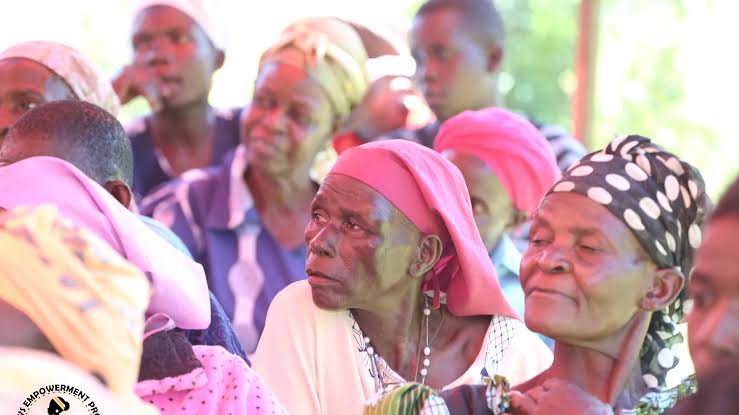
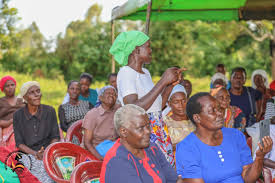
A widow gives her views during a Baraza organized by Widows Empowerment Program (Image: Files)

The program – a flagship effort under the broader government social protection and inclusion agenda – focuses on restoring dignity to widows, often among the most vulnerable and overlooked citizens in our society.

In a touching video that has since gone viral, Roselida’s smile says everything.

There’s no staged drama – just a genuine, tearful beam as she switches on electric light in her house for the very first time.

That single gesture – flipping a switch – marked the end of years lived in darkness, both literal and emotional.

But this was more than just electrification.

It was about recognition.

It was about belonging.

It was about the government’s conscious decision to extend visibility and care to women like Roselida – widows who have carried families, tilled land, raised generations, and survived loss without complaint.

PS Raymond Omollo’s approach has been personal, deliberate, and grounded in community listening.

The Widows Empowerment Program includes housing improvements, electrification, access to health services, food supplies, and community reintegration efforts – but its biggest success lies in restoring a sense of worth and visibility to women often dismissed as statistics.

Roselida is no longer invisible.

Her story resonates because it shines a light on what real impact looks like – not in spreadsheets or conference declarations, but in kitchens, village paths, and faces like hers.

Her voice, once muffled by distance and age, now carries the weight of hope for thousands of widows across Kenya.

As the government deepens its commitment to social protection and inclusive development, Roselida’s transformation becomes a symbol of what’s possible when compassion meets action.

It’s a reminder that in the grand narrative of progress, no one – not even a 73-yr-old widow in a forgotten village – should ever be left behind.

Click here to watch Roselida’s heartwarming story.