
Government Expands Administrative Units in Northern Kenya

In much of northern Kenya, the challenge has never simply been development. It has been distance.

In some areas, residents have had to travel for hours – sometimes across difficult terrain – to access basic government services, report security concerns or obtain official documents.

It is against this backdrop that the government has, since 2022, accelerated the creation of new sub-counties, divisions, locations and sub-locations across Wajir, Mandera and Garissa counties.

The objective is straightforward: bring government services closer to people living in some of Kenya’s most remote regions.

The three counties cover roughly 120,000 square kilometres and are home to about 2.5 million people spread across vast borderland areas.

Low population density, poor infrastructure and long travel distances have historically made service delivery difficult.

To address this, the government has expanded administrative units and deployed additional National Government Administration Officers (NGAOs), including Deputy County Commissioners, Assistant County Commissioners, Chiefs and Assistant Chiefs.

In Wajir, the administrative network now includes 15 sub-counties, 35 divisions, 228 locations and 264 sub-locations.

New administrative units have also been established in Mandera and Garissa to serve communities that previously fell far from government centres.

The thinking is that a government office located closer to residents makes it easier to access services such as national identification registration, birth certificates, social protection programmes and other public services.

Security

The expansion is also tied to security.

Northern Kenya shares borders with Somalia, Ethiopia and South Sudan, making the region strategically important in efforts to combat terrorism, cross-border crime, arms trafficking and livestock theft.

NGAO officers often serve as the first point of contact between government and communities.

Because many are embedded within local communities and understand local dynamics, they play a key role in gathering information, resolving disputes and identifying emerging security threats before they escalate.

Areas such as Dadaab, Liboi, Elwak, Takaba and Kotulo remain particularly important because of their proximity to international borders and the security challenges associated with those regions.

Administrative Units

Government officials argue that administrative units are not only governance structures but also catalysts for development.

The establishment of a new sub-county headquarters often attracts investment in roads, communications, water infrastructure and public services.

It can also stimulate local economic activity by creating demand for businesses, housing and support services.

For counties such as Wajir, Mandera and Garissa – which have significant livestock resources, renewable energy potential and strategic trade links with neighbouring countries – improved governance and security are seen as essential foundations for economic growth.

Impact

At its core, the expansion of administrative units in northern Kenya is an attempt to reduce the distance between citizens and government.

Whether through faster access to services, improved security coordination or stronger state presence in remote areas, the policy reflects a broader effort to integrate historically underserved regions into the country’s development agenda.

For communities that have long felt far removed from government services, the measure is intended to ensure that where a Kenyan lives does not determine how easily they can access the state.
Government Proposes Sh3,000 Monthly Stipend for Village Elders

Village elders across Kenya could soon begin receiving a monthly government stipend under a new proposal aimed at formally recognising their role in local administration and community security.

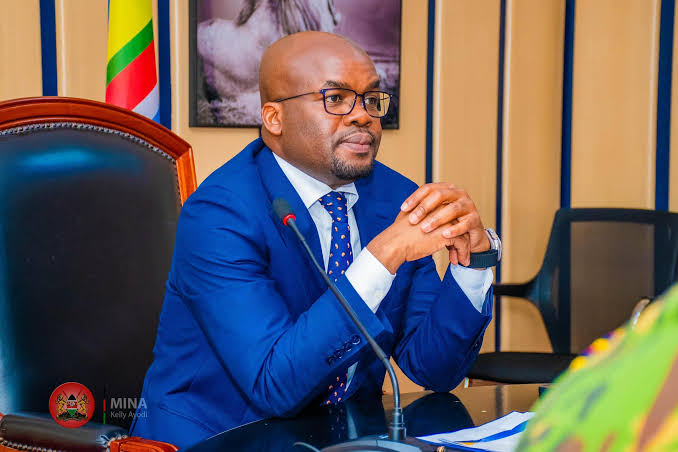
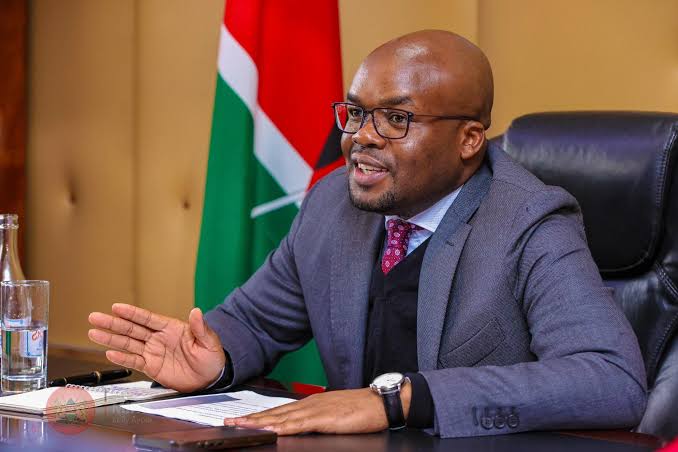
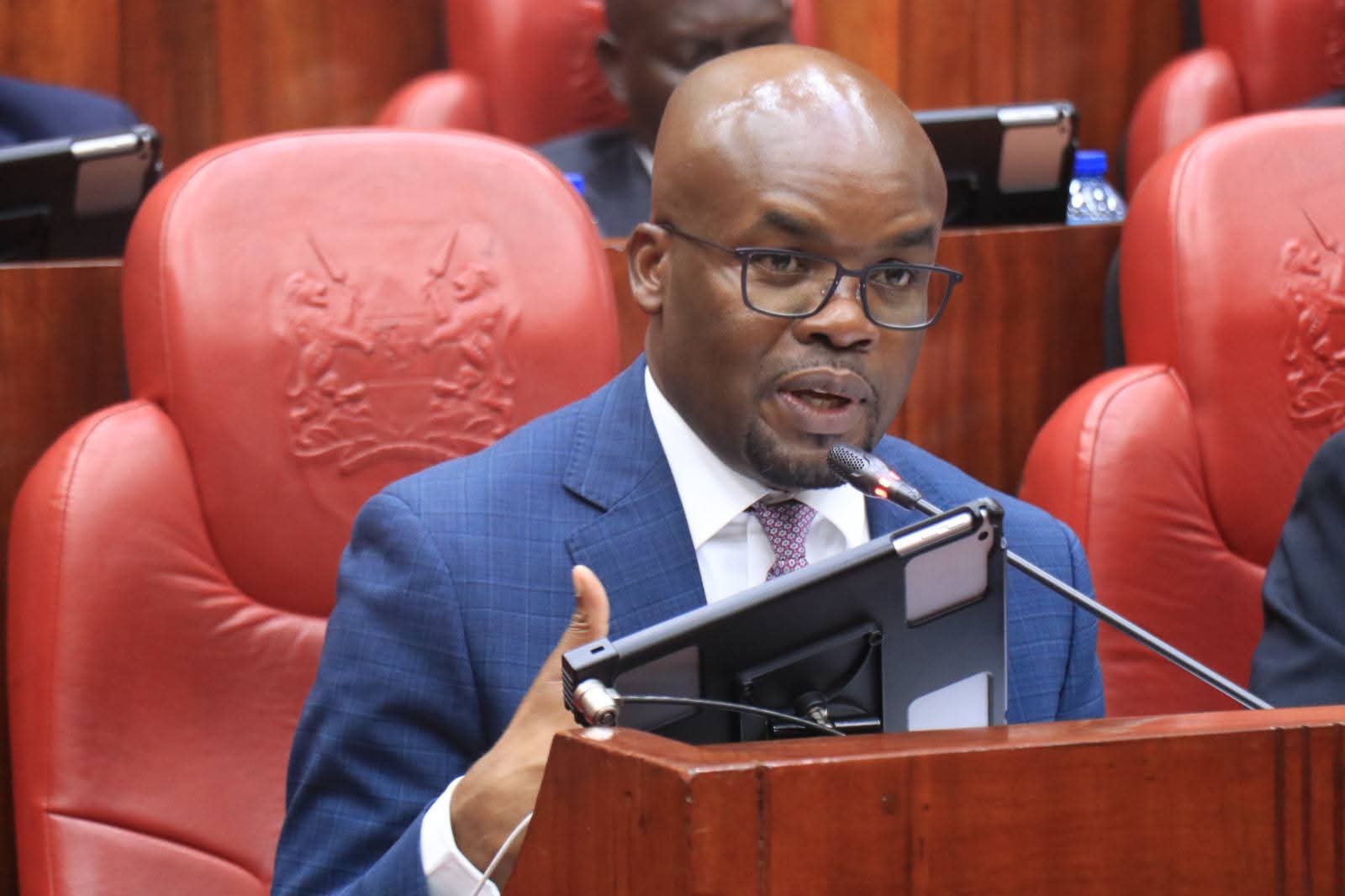
Speaking before the National Assembly Departmental Committee on Administration and Internal Security during scrutiny of the 2026/2027 budget estimates, Interior Principal Secretary Dr. Raymond Omollo said the government plans to allocate a monthly stipend of Sh3,000 to about 110,000 village elders nationwide.

According to the Interior Ministry, the proposal follows years of consultations and development of a policy framework to formally identify and structure village elders within the National Administration system.

The conversation about village elders began in 2016 and the House actually gave directions to the ministry. It has taken almost 10 years to get us here,” Dr. Omollo told the committee.

If approved by Parliament, the stipend programme will begin in the next financial year, with the government indicating that enough funds have been provisioned to sustain the initiative for most of the financial year.

The ministry also clarified that only village elders not already benefiting from other state support programmes – such as the elderly social protection scheme or Community Health Promoter initiatives – would qualify.

Lawmakers largely welcomed the proposal, describing it as the first serious effort to formally recognise village elders, who have historically worked voluntarily alongside chiefs and assistant chiefs in resolving disputes, mobilising communities, and supporting local security operations.

However, some MPs argued the proposed amount should be increased.

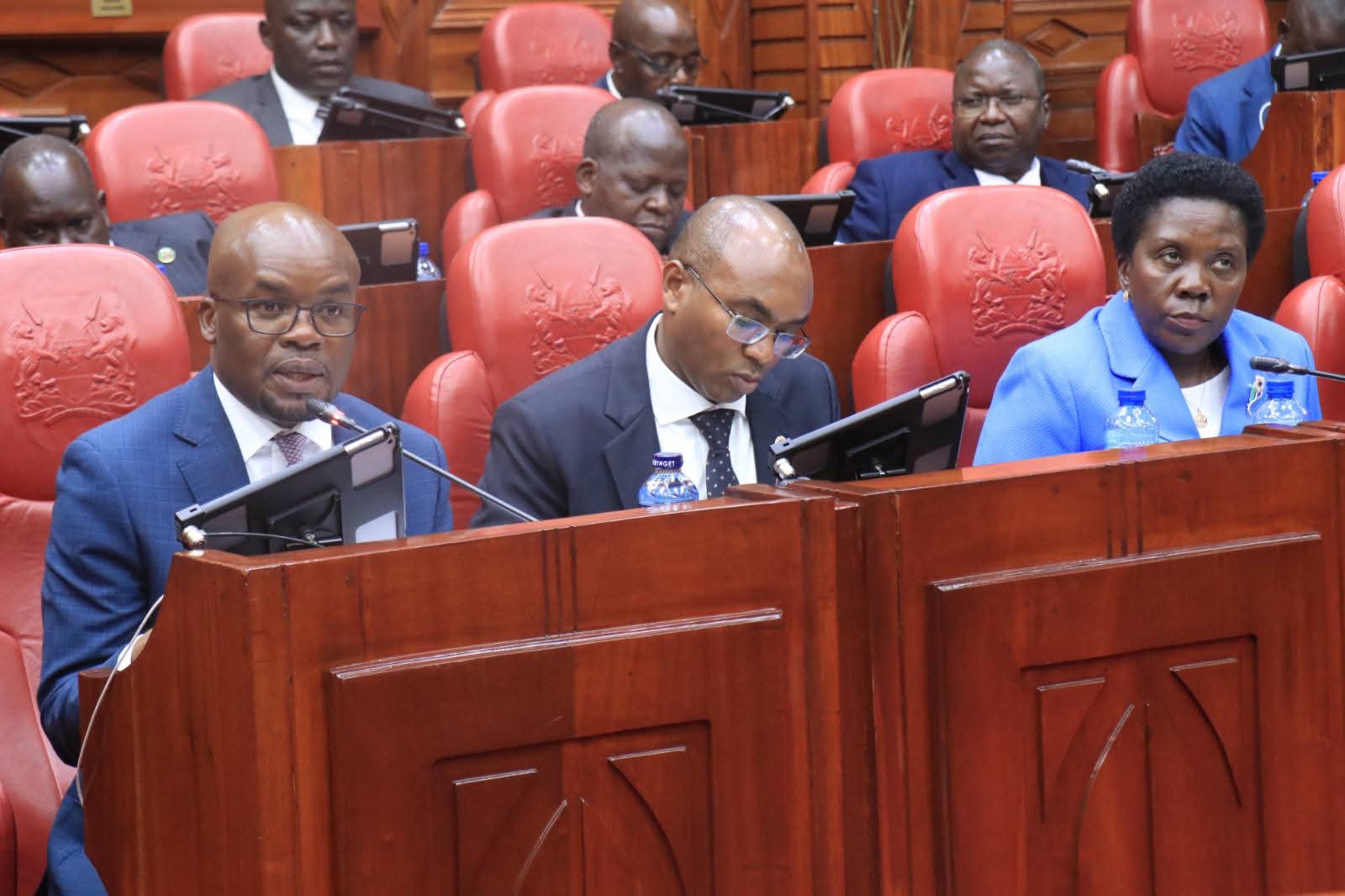
National Assembly Departmental Committee on Administration and Internal Security in session. (Image: Files)

Committee chairperson and Narok West MP Gabriel Tongoyo said village elders deserve facilitation comparable to that offered to Community Health Promoters.

In Teso North MP Oku Kaunya proposed raising the stipend to Sh5,000 if elders are formally anchored within the National Administration structure.

According to MPs, increasing the stipend to Sh5,000 would raise the programme’s annual budget requirement to between Sh5.5 billion and Sh6 billion.

The proposal now awaits further parliamentary consideration as part of the broader budget approval process.

Beyond the stipend itself, the move signals a broader attempt to formally integrate grassroots community structures into national governance and security coordination systems.

This is crucial, particularly in rural areas where village elders often serve as the first point of contact in local disputes, social issues, and community administration.

PS Omollo Reaffirms Zero Tolerance for Political Violence

The Government has declared a firm zero-tolerance stance on political violence, warning that hooliganism, intimidation and unlawful mobilisation will not be tolerated in Kenya’s political and social spaces.

Speaking in Nyeri County during a visit to Rutune School, the Internal Security PS, Dr. Raymond Omollo – said every Kenyan has the constitutional right to express their views freely – but strictly within the law.

The visit brought together national and local leaders, including Nyeri Senator Wahome Wamatinga, alongside parents, teachers and students, signalling a dual focus on security stability and human capital development.

Dr. Omollo emphasized that while political engagement and public discourse are protected freedoms, any cases involving violence or disorder must be addressed through proper legal and investigative channels.

Security agencies, he said, remain vigilant in maintaining public order and ensuring accountability.

In Nyeri County, security teams have intensified operations against illicit alcohol.

The PS noted that National Government Administration Officers, working under the leadership of County Commissioner Josephat Biwot – are coordinating efforts to strengthen community safety and address emerging social challenges.

He also raised concern over rising cases of Gender-Based Violence (GBV), calling on communities to protect vulnerable persons and uphold dignity and safety at the local level.

Beyond security, the visit focused on education outcomes.

Despite having adequate teaching staff, Rutune School is experiencing low student enrollment.

Dr. Omollo called for stronger parental and community involvement to improve enrollment and academic performance.

A recent political rally in Nyeri County (Image: Files)

He cited ongoing national reforms in the education sector, including:

  • Recruitment of over 100,000 teachers
  • Construction of more than 25,000 classrooms
  • Implementation of Competency-Based Education
  • Reforms in university funding

In Nyeri County, the transition rate from primary school to Junior Secondary School currently stands at 99 percent.

The Government also outlined major development projects underway in Mukurweini Constituency.

These include:

  • Road infrastructure projects valued at Ksh 2.9 billion.
  • Modern markets worth Ksh 162 million
  • Affordable housing projects valued at Ksh 980 million.
  • Student hostels with capacity for 3,000 beds.

According to the Principal Secretary, these investments are part of broader efforts to support economic growth and improve livelihoods.

In summary, the Government’s message from Nyeri was clear:

Political freedoms are protected, but disorder will face legal consequences – even as education reform and infrastructure development continue in parallel.

PS Omollo’s Widow Empowerment Program Means Stability for Widows in Kenya

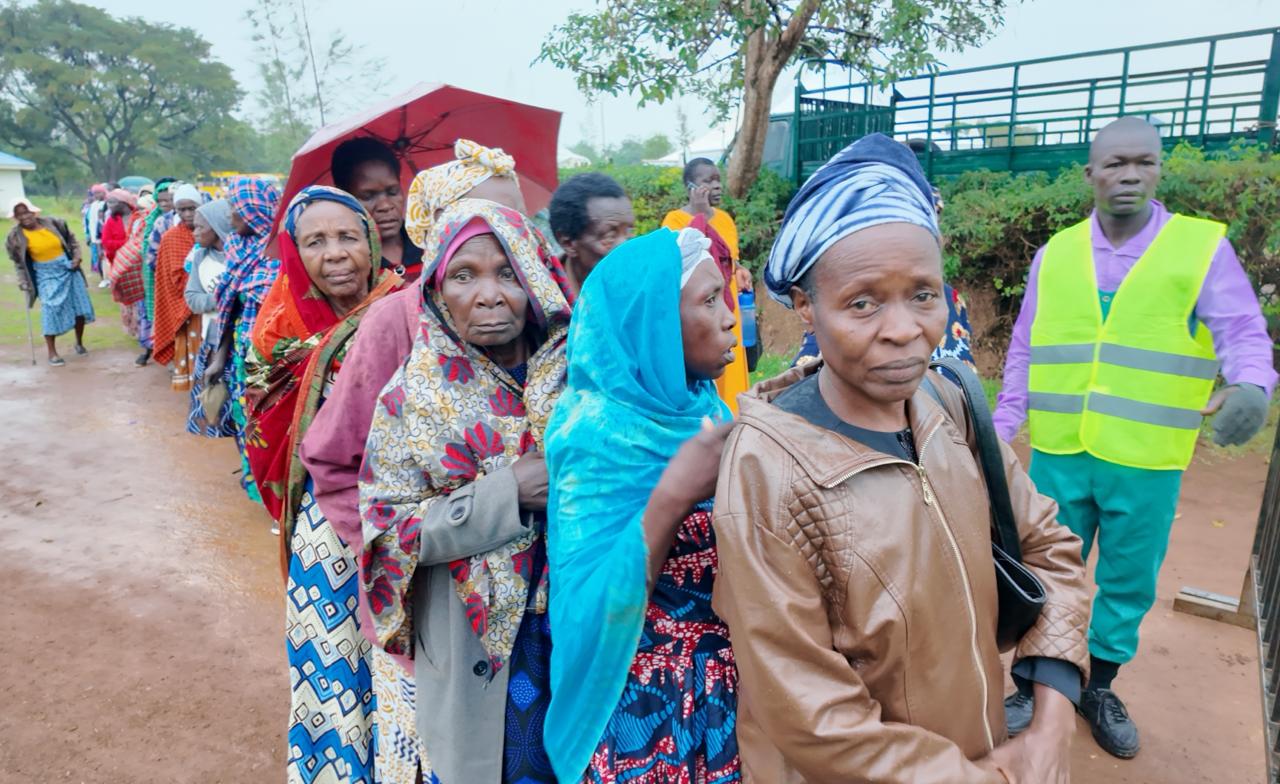
PS Raymond Omollo hosted hundreds of widows at Jaramogi Oginga Odinga University of Science and Technology in Bondo, Siaya County as part of the highly acclaimed Widow Empowerment Program.

It was a moment of solidarity with widows, who were once isolated and overlooked – and offer support, dignity and a pathway to economic independence.

The Interior PS Dr. Raymond Omollo, is the driving force behind the Widows Empowerment Programme which has has now touched more than 22,620 widows and 377 groups across Kenya.

Families in Siaya, Homa Bay, Kisumu, Migori and beyond have been part of this journey.

Some have received new homes, transforming conditions that once offered little protection from weather or insecurity.

Others have received livelihood support, materials for small businesses, water tanks, furniture, wheelchairs, seedlings, and tools to build a future that is no longer held down by loss.

The Program isn’t limited to big events or one county.

From Homa Bay’s Tang Chon Ber widows to the Wagwe South Widows in Karachuonyo, the initiative has worked with groups at the ward and constituency levels.

In Homa Bay, widows have received skills training, financial support, and mentorship – helping them break cycles of poverty and build stability for their families.

In Kisumu East and West, nearly a hundred widow groups have benefitted through support for small businesses, water access solutions, and communal projects that strengthen local economies.

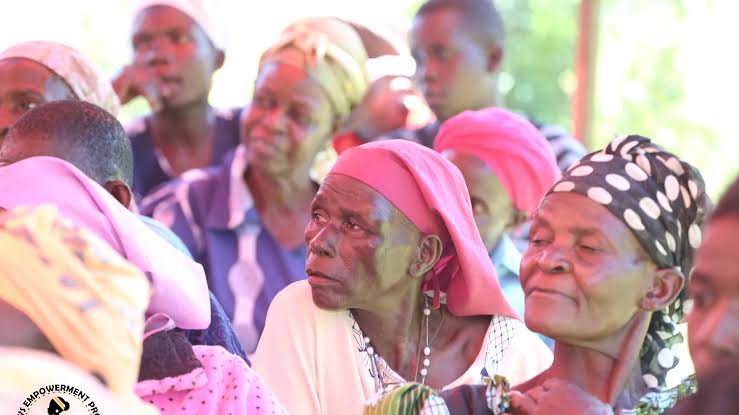
Widows during the event in Karachuonyo Constituency of Homabay County (Image: Files)

What sets this programme apart is the breadth of its support:

Housing

More than 26 widows received fully built homes, offering safe shelter and security.

Livelihood support

Groups were equipped with chairs, tents, water tanks, and seedlings – tools that can be used to generate income and improve food security.

Education and mobility

Some children from widows’ families have received scholarships, while mobility aids such as wheelchairs have been provided to those in need.

Psychosocial and legal support

Beyond material help, the programme offers counsel and guidance to help widows protect their rights and build confidence.

In a country where widows often face stigma, economic hardship, and social exclusion, the program stands out as a model of practical support – blending shelter, livelihood, education, and community engagement.

Under PS Raymond Omollo’s leadership and with local coordinators working at the grassroots, the programme continues to expand its reach.

As more groups are supported and more lives transformed, the narrative is shifting: widowhood is no longer seen as an endpoint but a new beginning full of possibility.

CHAN 2025: Government Assures Fans of Security Readiness

With Kenya set to host the continent’s footballing elite for the 2025 CHAN Championship, the Government has moved to reassure fans of tight, proactive security across all venues – particularly Kasarani and Nyayo Stadiums.

In an official statement, Interior Principal Secretary Dr. Raymond Omollo has outlined a multi-agency security plan.

This security plan prioritizes crowd safety, zero tolerance for hooliganism, and rapid emergency response, while also embracing modern, tech-enabled systems to ensure smooth fan experiences.

Crowd Control & Stampede Prevention

Fans heading to CHAN matches can expect sectional seating protocols, real-time communication, and trained stewards guiding entry and exit in a wave format – avoiding dangerous surges.

Security checkpoints will be activated as far as 1 kilometre from stadium gates to manage flow and ensure authenticity of entry.

We’re committed to ensuring fans enjoy the matches in a secure, well-managed environment. Crowd control is our top priority,

Said Dr. Raymond Omollo, Principal Secretary for Ministry of Interior and National Administration.

Fan marshals will be deployed throughout the stadiums to guide movement and prevent unruly behavior, including jumping fences or accessing restricted zones.

Early arrival and strict adherence to seating instructions are strongly encouraged.

CHAN 2025 security marshalls undergo drills at Kasarani Stadium recently (Image: Files)

Digital Tickets

In a major step towards fraud prevention, CHAN 2024 has migrated to 100% digital ticketing.

Fake or counterfeit tickets will trigger instant denial of access and legal action.

All tickets will be scanned and verified at the 1 KM perimeter, not at the gates – helping weed out fakes early and minimize disruptions.

Vigilance Against Terror, Political Disruption and Hooliganism

Given the global spotlight on CHAN, the Government has activated elite counter-terror units, intelligence services, and anti-riot forces, all operating under a coordinated inter-agency protocol.

Stewards and police officers have undergone intensive match-day preparedness training.

The Ministry has also launched a CHAN Security Hotline, allowing fans to report suspicious behavior.

Tactical response units will be on standby throughout the event, with legal prosecution awaiting any elements seeking to disrupt.

This long-term security investment also supports Kenya’s wider goal of hosting AFCON 2027.

Medical Emergency Readiness

Each stadium is equipped with emergency tents, first responders, and ambulances strategically stationed across key areas.

In addition, a Joint Medical Command Center will coordinate medical emergencies, including the transfer of critical cases to nearby health facilities.

Transit & Transport Advisory

Private vehicles will not be allowed inside stadiums.

Fans are urged to make use of designated buses and public transport, and prepare to walk short distances to the venues.

Surveillance and police patrols will cover drop-off zones, access roads, and night-time fan movements to ensure safety in transit.

What Not to Bring

CAF, through the Local Organizing Committee (LOC), has released a comprehensive list of prohibited items, now widely shared across all media channels.

Fans should expect thorough searches at all entry points.

Possession of banned items may lead to denied entry and other legal consequences.

In a Nutshell …..

With CHAN 2024 poised to be a spectacular celebration of African football, Kenya’s security framework is set to guarantee safety, order, and memorable moments on and off the pitch.

Fans are encouraged to arrive early, stay vigilant, and above all, enjoy the tournament with pride and passion.

Roselida’s Story: A Widow’s Journey from Darkness to Dignity in Kochia

For years, Roselida Adoyo lived in quiet shadows – not just of age and grief, but of isolation and neglect.

At 73, the widow from Kochia Village in Homa Bay County, Kenya, had grown used to the rhythm of silence and the dimness of a life untouched by electricity, opportunity, or targeted support.

Her home, like many others tucked away in the rural pockets of the country, stood still in time – left behind by progress and policy alike.

But this year, something changed.

Roselida’s life took a transformative turn when the Widows Empowerment Program, championed by Interior Principal Secretary Dr. Raymond Omollo, reached her doorstep.

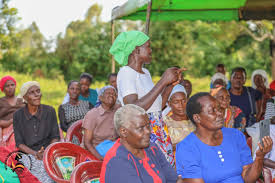
A widow gives her views during a Baraza organized by Widows Empowerment Program (Image: Files)

The program – a flagship effort under the broader government social protection and inclusion agenda – focuses on restoring dignity to widows, often among the most vulnerable and overlooked citizens in our society.

In a touching video that has since gone viral, Roselida’s smile says everything.

There’s no staged drama – just a genuine, tearful beam as she switches on electric light in her house for the very first time.

That single gesture – flipping a switch – marked the end of years lived in darkness, both literal and emotional.

But this was more than just electrification.

It was about recognition.

It was about belonging.

It was about the government’s conscious decision to extend visibility and care to women like Roselida – widows who have carried families, tilled land, raised generations, and survived loss without complaint.

PS Raymond Omollo’s approach has been personal, deliberate, and grounded in community listening.

The Widows Empowerment Program includes housing improvements, electrification, access to health services, food supplies, and community reintegration efforts – but its biggest success lies in restoring a sense of worth and visibility to women often dismissed as statistics.

Roselida is no longer invisible.

Her story resonates because it shines a light on what real impact looks like – not in spreadsheets or conference declarations, but in kitchens, village paths, and faces like hers.

Her voice, once muffled by distance and age, now carries the weight of hope for thousands of widows across Kenya.

As the government deepens its commitment to social protection and inclusive development, Roselida’s transformation becomes a symbol of what’s possible when compassion meets action.

It’s a reminder that in the grand narrative of progress, no one – not even a 73-yr-old widow in a forgotten village – should ever be left behind.

Click here to watch Roselida’s heartwarming story.

PS Raymond Omollo: Why Universal Health Coverage Is Non-Negotiable

Speaking in a grassroot meeting between county leaders and local residents in Homabay County, the Interior Principal Secretary Dr. Raymond Omollo delivered a special message.

This message has echoed across Kenya’s health transformation agenda: universal healthcare isn’t a luxury – it’s a right.

At the heart of his speech was a stark reminder that illness doesn’t wait for payday.

You never decide when to get sick,” he stated plainly. “Each of us will fall sick at one point or another.”

And it is from this truth that the government’s ambitious Universal Health Coverage (UHC) program – Taifa Care – was born.

Now eight months in, the PS challenged Kenyans to speak louder, but this time with affirmation: to acknowledge a program that is already changing lives across counties.

Health, he reminded the crowd, is the foundation of all productivity – without it, everything else grinds to a halt.

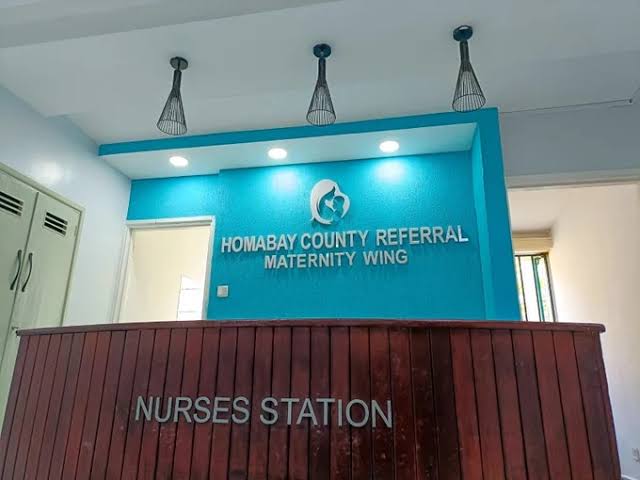
A section of the Homabay County Referral Hospital (Image: Google)

But, the road to full national coverage is far from over.

In Homa Bay, for example, only 44% of the population is registered under the new health scheme, a figure Dr. Omollo finds both encouraging and troubling.

Ranked number 13 nationally isn’t bad,” he admitted, “but, we can do better.”

In that regard, the Ministry of Health, in partnership with the Homabay County government, is mobilizing a massive recruitment drive to bring more residents on board.

And this drive isn’t just about signing up for the Social Health Insurance Fund (SHIF).

It is about safeguarding lives during emergencies, enabling access to free primary care, and strengthening health facilities across the region.

“How can the government pay for your emergency treatment if you’re not registered?” He posed.

Worse still, some local facilities remain unregistered with the Ministry of Health, limiting their ability to access national support like the Facility Improvement Fund.

“It can’t be that other counties are benefiting while ours lags behind because of misinformation,” he cautioned.

Dr. Omollo also made a passionate appeal to community health promoters and local leaders:

“Let’s work together.”

The new system isn’t about politics or personalities – it’s about shielding families from being bankrupted by hospital bills, from selling off land and livestock to save loved ones.

The days of endless medical Harambee drives on WhatsApp should become a thing of the past.

Because true development begins with healthy people. And this time, no Kenyan should be left behind.

Dr. Raymond Omollo Speaks for a Wounded Nation

It’s not often that government officials speak in tones so nakedly human.

Yet Dr. Raymond Omollo, CBS – Kenya’s Principal Secretary for Internal Security – did just that when he wrote on X:

“For the people of Kenya and the State Department for Internal Security, there is only one position on the tragic death of Mr. Albert Ojwang’, a young, hopeful father, husband, teacher and son; it should never have happened.”

There was no bureaucratic buffering. No sidestepping. Just a solemn sentence – one that acknowledged not just a tragedy, but the pain it stirred across a nation.

The deceased teacher cum blogger Albert Ojwang who reportedly died in police custody (Image: Files)

Dr. Omollo is no stranger to the fine line between public safety and personal rights.

As PS overseeing Kenya’s delicate internal security apparatus, he carries the burden of steering reforms in a space where public trust often wears thin.

But what makes his statement significant is its unvarnished clarity – a tone that contrasts sharply with a past where such deaths were often explained away, softened, or outright denied.

His words are not just about Albert Ojwang’.

They are a reflection of the growing imperative within the State Department for Internal Security to respond to public emotion with institutional humility – and to ensure that systems built to protect do not become instruments of fear.

Under Dr. Omollo’s stewardship, the department has made notable policy strides: body-worn cameras for officers, improved oversight through IPOA, and the push for data-driven policing.

He’s advocated for inclusive security, political tolerance, and technology-backed transparency – ideas that are now being stress-tested in the most painful way possible.

Ojwang’s death, already acknowledged by the President as a case of police brutality, has reignited public anger and calls for real accountability.

But in that fire, Dr. Omollo has not flinched.

Instead, he has offered the one thing many Kenyans have long yearned for from within government: a recognition that this – all of this – should never have happened.

His statement is not the end of the road.

It is the opening note of a deeper reckoning. Because words, no matter how well-intentioned, must be followed by truth, transparency, and consequences.

In the days to come, IPOA will investigate. Officers will face suspension and inquiry. The public will wait, watch, and speak louder than ever.

And, Dr. Raymond Omollo – who has so far walked the tightrope between reformist and bureaucrat – will be expected to show that the state still has a soul.

Albert Ojwang’ is gone.

But, in his name, perhaps the system can be pushed, one more time, to mean something better.