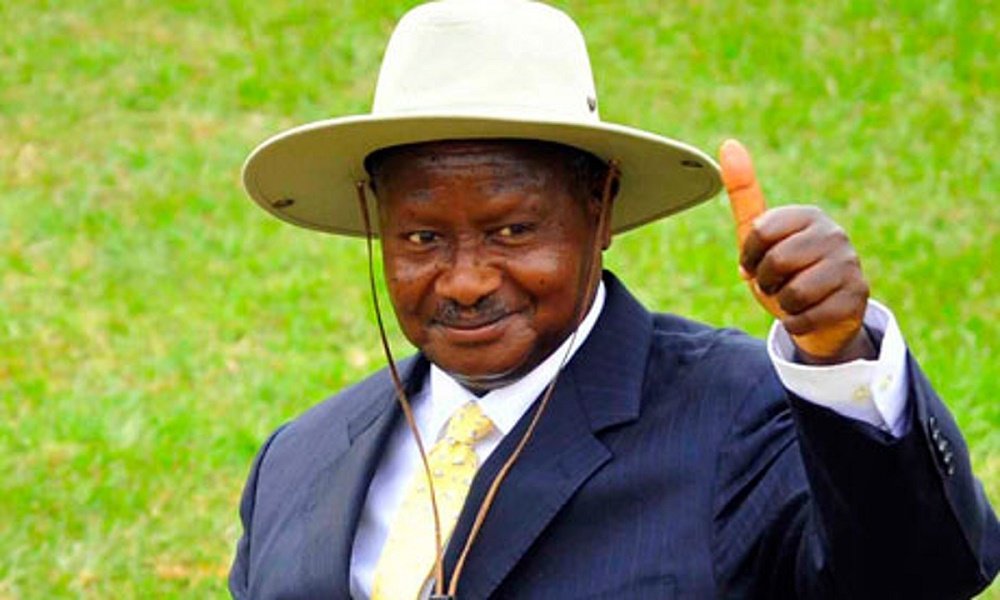
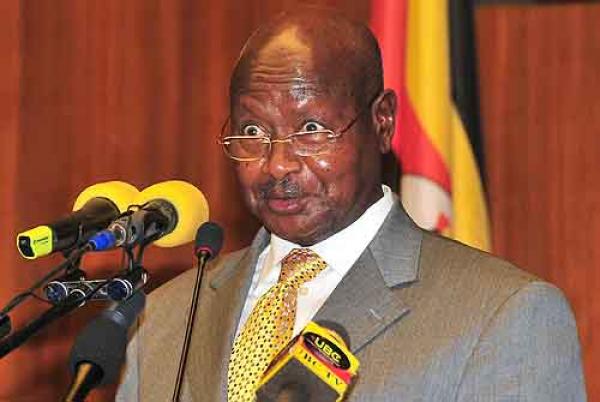
President Yoweri Kaguta Museveni has officially begun his seventh term as the President of the Republic of Uganda, following a high-profile swearing-in ceremony at the Kololo Ceremonial Grounds in Kampala. The event, held in May 2026, marks the continuation of one of the longest-running presidencies in African history, further solidifying Museveni’s four-decade leadership of the East African nation.
The ceremony was attended by several African heads of state, diplomatic missions, and thousands of supporters, signaling the regional significance of Uganda’s political stability.
The Ceremony and the Oath
Clad in his signature military-inspired attire, the 81-year-old leader took the oath of office administered by Chief Justice Alfonse Owiny-Dollo. Amidst a 21-gun salute and cheers from the National Resistance Movement (NRM) faithful, Museveni pledged to “uphold, preserve, protect, and defend the Constitution” and to execute the functions of the presidency with diligence.
In his inaugural address, the President focused on several key pillars for the new term:
-
Economic Transformation: A commitment to moving more Ugandans from subsistence farming into the money economy.
-
Regional Integration: Stressing the importance of the East African Community (EAC) in creating a larger market for local goods.
-
Security and Stability: Reaffirming his stance on maintaining peace within Uganda’s borders and addressing the threat of regional insurgencies.
A Milestone in African Governance
Museveni’s seventh inauguration is a landmark event that has drawn both admiration and scrutiny. To his supporters, he remains the “steady hand” that brought Uganda out of the chaos of the 1970s and 1980s, providing a bedrock of security that has allowed for consistent economic growth. They point to improvements in infrastructure, the energy sector, and a growing middle class as evidence of his successful tenure.
However, the path to this seventh term has not been without its challenges. Critics and opposition figures have raised concerns regarding the shrinking space for political dissent and the need for a transition plan to a younger generation of leaders. The 2026 election cycle, like those before it, saw intense competition and a heated digital landscape where young Ugandans increasingly demanded faster reforms and more job opportunities.
Regional Implications
The presence of neighbors such as Kenya’s William Ruto and other EAC leaders at the inauguration highlighted the strategic role Uganda plays in the region. As a key troop contributor to peace missions and a vital transit hub for landlocked neighbors, Uganda’s political trajectory remains a central concern for the entire African Great Lakes region.
During the event, visiting dignitaries emphasized the need for continued collaboration on cross-border infrastructure projects, such as the Standard Gauge Railway and oil pipeline developments, which are expected to be major priorities for Museveni’s administration over the next five years.
Looking Ahead
As President Museveni embarks on this new five-year mandate, the focus shifts to his legacy. With a youthful population—over 75% of whom are under the age of 30—his administration faces the significant task of aligning its long-term “Vision 2040” with the immediate needs of a generation that has only ever known one president.
Whether this term will focus on institutionalizing his achievements or preparing the nation for an eventual transition remains the most discussed question in Kampala’s corridors of power. For now, the NRM government maintains that the priority is “Securing Your Future,” the slogan that carried them to victory once again.