Cabinet Resolutions: AI, Digital Jobs and a Payroll Cleanup

Not every Cabinet decision comes with a groundbreaking ceremony or a new building on the skyline.

Sometimes, the most consequential decisions are the ones that shape how government works, how jobs are created, and how a country positions itself for the future.

Tuesday’s Cabinet meeting at State House largely focused on those kinds of systems – government efficiency, digital transformation, jobs, and Kenya’s place in an increasingly competitive global economy.

Cleaning Up Government Payrolls

One of the biggest decisions was a government-wide crackdown on payroll fraud after an audit uncovered suspected irregularities worth Ksh6.2 billion across just 12 State Departments.

Cabinet directed investigators to pursue those behind the alleged fraud, recover public funds and prosecute anyone found culpable.

The government also plans to migrate ministries and agencies onto a revamped payroll system aimed at eliminating ghost workers, duplicate payments and payroll manipulation.

The move is expected to improve accountability in public spending and reduce leakages that have historically strained government finances.

Betting on Artificial Intelligence

Cabinet also established a Standing Committee on Artificial Intelligence, which will coordinate Kenya’s AI strategy and oversee adoption of the technology across government.

Officials say the initiative is intended to support innovation, improve service delivery and prepare Kenya for the rapidly evolving digital economy.

Artificial intelligence is increasingly influencing sectors such as healthcare, finance, education, agriculture and manufacturing.

As countries race to adopt and develop the technology, Kenya is seeking to position itself as one of Africa’s emerging digital economies rather than simply becoming a consumer of global innovations.

Targeting Thousands of Digital Jobs

Another major decision was the adoption of a new National Business Process Outsourcing (BPO) Policy.

The government believes Kenya’s youthful population, English proficiency and expanding digital infrastructure give it a competitive advantage in attracting outsourced services, including customer support, data processing and technology-enabled services.

Globally, the outsourcing industry employs millions of people and generates billions of dollars annually

Kenya sees the sector as one of the key avenues for creating large-scale employment opportunities, particularly for young people entering the labour market.
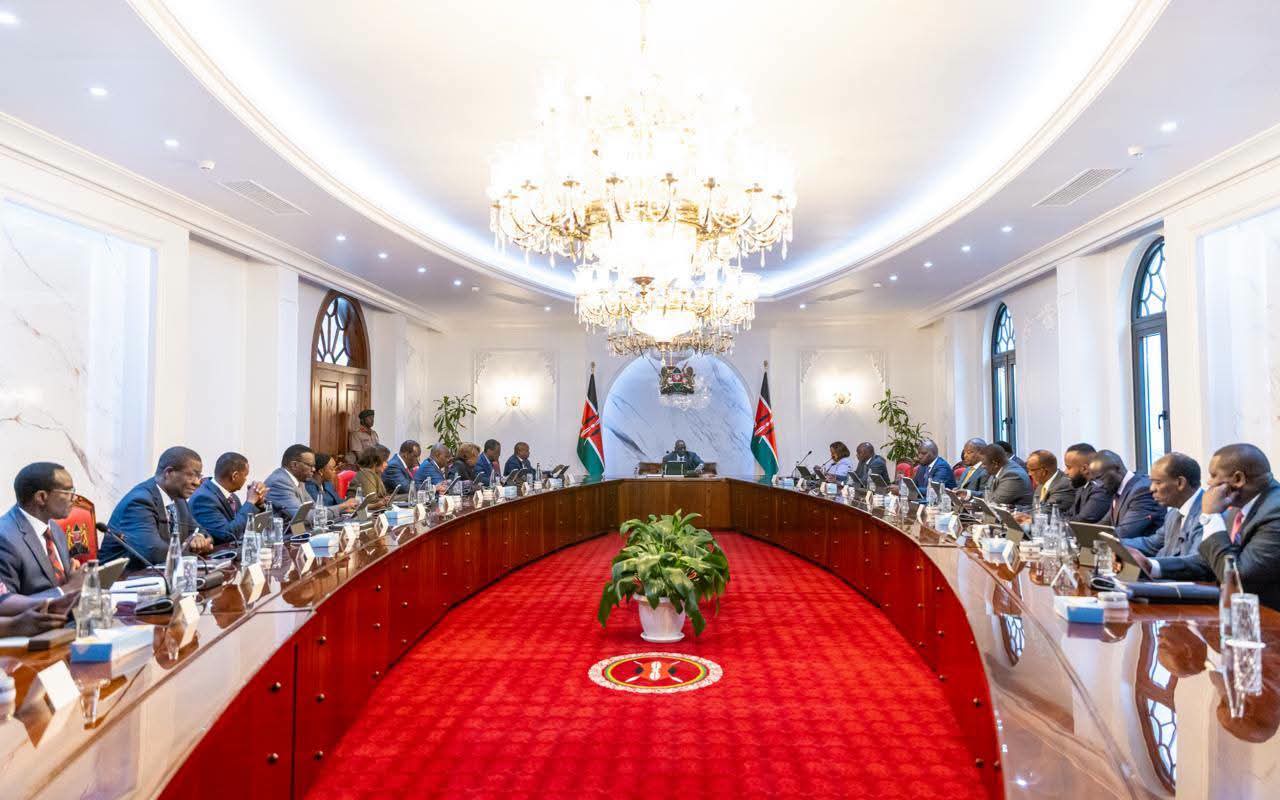
The Cabinet meeting held at State House, Nairobi on Tuesday, 30th June 2026 (Image: Files)

Expanding Kenya’s Economic Reach

Cabinet also approved negotiations on a long-term economic partnership with China and endorsed petroleum cooperation agreements with Rwanda and South Sudan.

At the same time, Nairobi will host the Secretariat of the Alliance of African Multilateral Financial Institutions, further strengthening Kenya’s profile as a regional financial and diplomatic centre.

These agreements are expected to deepen trade relations, improve investment opportunities and reinforce Kenya’s ambitions of becoming a strategic economic hub for East and Central Africa.

Goals

Viewed together, the decisions taken at Tuesday’s Cabinet meeting point to a broader theme:

Economic transformation increasingly depends on systems that work.

Cleaning up public payrolls, preparing for artificial intelligence, creating digital jobs and strengthening international partnerships may not always dominate public attention.

Yet these are the building blocks that increasingly define competitive economies.

And as conversations around a First World Kenya continue, the challenge is becoming more about building efficient institutions, embracing new technologies and creating opportunities that can sustain growth over the long term.

No New Taxes for Kenyans in the Finance Bill 2025

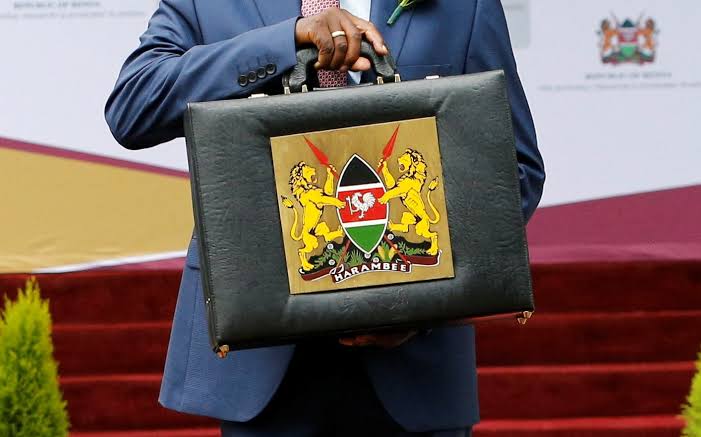
In the wake of last year’s tax-related unrest, the Kenyan government has introduced the Finance Bill 2025, signaling a strategic pivot from introducing new taxes to enhancing tax administration and closing existing loopholes.

This move aims to bolster revenue collection without imposing additional financial burdens on citizens.

Cabinet Secretary for Finance John Mbadi explains the Finance Bill 2025 in a recent media interview. (Image: Files)

Key Highlights Are: 

1. No New Taxes Introduced

Learning from the 2024 protests the government has refrained from proposing new taxes in the 2025/26 budget.

Instead, the focus is on improving tax collection efficiency and sealing revenue leakages.

2. Fiscal Deficit Targeted at 4.5% of GDP

The budget outlines a total expenditure of approximately KSh 4 trillion, with a planned fiscal deficit of 4.5% of GDP.

This is a reduction from the previous year’s 5.1%, reflecting efforts to enhance fiscal discipline and reduce public debt vulnerabilities.

3. Enhanced Tax Administration Measures

Access to Financial Data: The Kenya Revenue Authority (KRA) may be granted access to individuals’ and businesses’ financial data to combat tax evasion, a proposal that has raised privacy concerns.

Digital Asset Tax Reduction: The tax rate on digital assets is proposed to be reduced from 3% to 1.5%, aiming to encourage compliance among digital asset holders.

VAT Refund Period Shortened: The waiting period for VAT refunds on bad debts is proposed to be reduced from three years to two, improving cash flow for businesses.

4. Adjustments in Tax Procedures

Tax Loss Carryforward Limitation: Taxpayers may be restricted to carrying forward tax losses for a maximum of five years, impacting long-term financial planning for businesses.

Mandatory Electronic Tax Invoicing: All registered persons making supplies, including exempt supplies, will be required to issue electronic tax invoices, enhancing transparency and compliance.

5. Reclassification of Goods and Services

Certain goods and services are proposed to be reclassified between taxable, exempt, and zero-rated categories, affecting VAT obligations for businesses dealing with these items.

A sample image of a fifty shilling note in Kenya (Image: Google)

Public Engagement

The Finance Bill 2025 is currently under parliamentary review, with public participation forums expected to be announced.

Stakeholders are encouraged to engage in these discussions to provide feedback and influence the final provisions of the bill.

In a Nutshell ….. 

The Finance Bill 2025 represents a deliberate shift towards strengthening tax administration and enhancing fiscal responsibility without introducing new taxes.

By focusing on efficiency and closing loopholes, the government aims to increase revenue collection while maintaining public trust and economic stability.

For a more detailed discussion on the Finance Bill 2025, you can watch the following video:

Cabinet Approves Sale Of 5 State-Owned Hotels

In a bid to stimulate the economy and manage public debt, the Kenyan government has announced plans to privatize the Development Bank of Kenya (DBK) and five state-owned hotels. This strategic move aims to unlock untapped potential and attract private sector investments, boosting key sectors struggling to recover from the pandemic.

Cabinet Approves Bank and Hotel Privatization

Led by President William Ruto, the cabinet greenlit the sale of DBK, acknowledging its successful transition into a fully-fledged commercial bank regulated by the Central Bank of Kenya. This paves the way for private ownership to potentially unlock further potential and efficiency.

Additionally, five non-strategic hotels are slated for divestment. These include iconic establishments like the Mombasa Beach Hotel and Mt. Elgon Lodge, alongside several others. The government hopes this move will revitalize the tourism industry, attracting private investments and creating new jobs.

Rejuvenating Tourism and Managing Debt

This initiative aligns with the ongoing tourism sector rebound, fueled by Kenya’s recent visa-free entry policy. Attracting private investments in hospitality is expected to create further momentum and growth within the industry.

While details regarding expected revenue and sale timelines remain undisclosed, the government’s urgency for reform is clear. Escalating debt burdens and fiscal deficits necessitate innovative solutions like this privatization plan.

Overall, this move highlights the government’s commitment to:

  • Economic rejuvenation: By stimulating both the financial and tourism sectors, the government aims to accelerate economic growth.
  • Debt management: Privatization revenue can contribute to reducing public debt and easing fiscal pressures.
  • Private sector engagement: Attracting private investments and expertise is expected to improve efficiency and unlock potential in these key sectors.

This plan signifies a bold step towards economic revitalization, but only time will tell if it succeeds in achieving its intended goals.

Ghafla!
Privacy Overview

This website uses cookies so that we can provide you with the best user experience possible. Cookie information is stored in your browser and performs functions such as recognising you when you return to our website and helping our team to understand which sections of the website you find most interesting and useful.