Fuel Costs Rise Across East Africa as Kenya Tops Diesel List

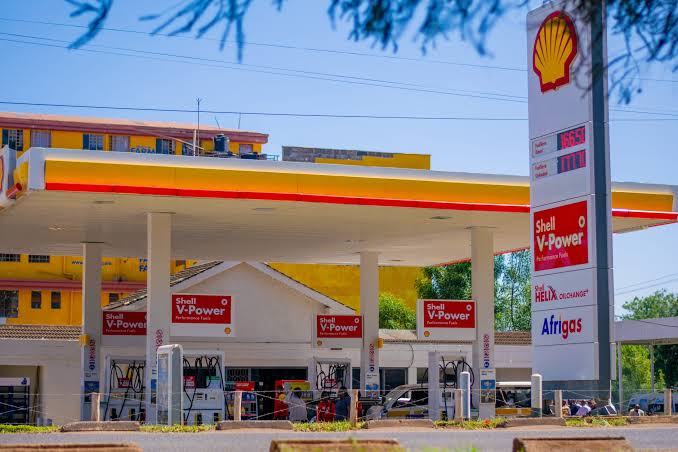
New comparative fuel data for May 2026 shows widening differences in fuel pricing across East Africa, with Kenya now recording the highest diesel prices in the region.

The figures highlight growing pressure on transport, logistics and household costs as countries respond differently to global oil prices, taxation and currency movements.

Kenya now leads in diesel prices

According to the comparison, diesel in Kenya rose sharply from Ksh206.84 to Ksh242.92 per litre – the highest among the six countries reviewed.

Petrol prices in Kenya also increased from Ksh206.97 to Ksh214.25, while kerosene remained unchanged at Ksh152.78.

The diesel increase is significant because diesel powers much of the economy – including public transport, trucks, agriculture, construction and manufacturing.

Higher diesel prices often translate into increased costs across supply chains and consumer goods.

Rwanda records region’s highest petrol prices

Rwanda posted the highest petrol prices in the region, with prices jumping to Ksh259.09 per litre.

Analysts attribute this to a mix of import dependence, taxation and currency-related costs affecting fuel landing prices.
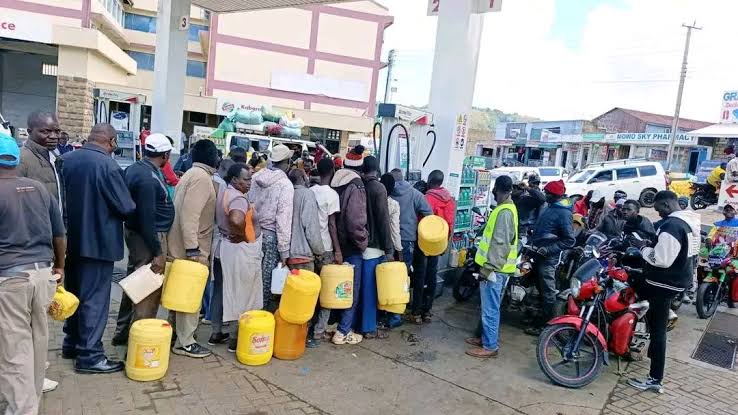
Citizens queue for fuel at a petrol station in Kabarnet during a recent shortage (Image: Files)

Tanzania sees major jumps in fuel costs

Tanzania also recorded steep increases across all fuel products:

Petrol rose to Ksh204.67

Diesel climbed to Ksh211.34

Kerosene jumped to Ksh232.68

The report notes that Tanzania’s high kerosene prices may reflect reduced household dependence on kerosene, as more consumers shift toward alternative cooking energy sources such as gas.

Ethiopia remains cheapest market

Ethiopia continues to record the lowest fuel prices across petrol, diesel and kerosene.

The lower prices are largely linked to state-controlled pricing systems and subsidies that shield consumers from global oil price volatility, although such systems can place pressure on government finances.

In a Nutshell ….

The latest pricing trends show how fuel policy, taxation, subsidies and exchange rate stability are increasingly shaping economic competitiveness across East Africa.

For Kenya, the sharp rise in diesel prices is likely to keep pressure on transport costs and the price of goods, especially in a country where fuel costs quickly filter into everyday living expenses.
Government Defends Fuel Price Surge Amid Planned Strike

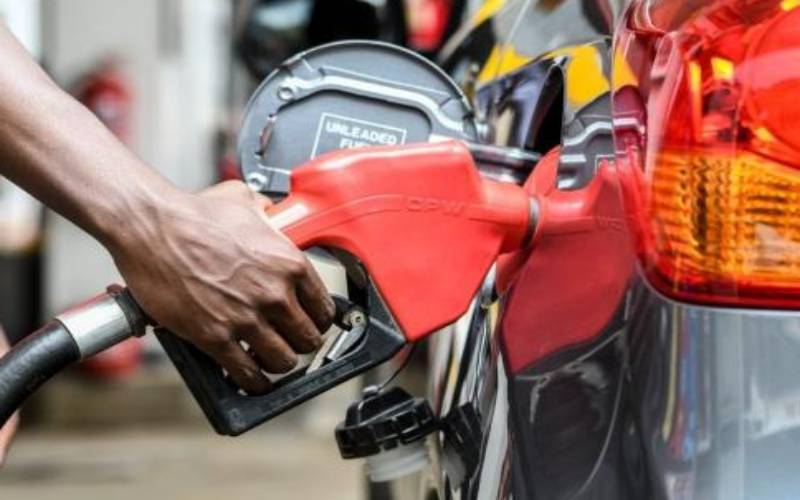
The government has mounted a firm defense against growing public outcry following the latest spike in fuel prices, which took effect on Friday, May 15, 2026. The new rates, which will remain in force until mid-June, have pushed pump prices to historic levels across the country.

In a detailed statement issued on Friday, Energy and Petroleum Cabinet Secretary Opiyo Wandayi explained that the price adjustments were an unavoidable consequence of sustained volatility in the global oil market. He primarily attributed the surge to the deepening conflict in the Middle East, which has disrupted supply chains and sent shockwaves through international energy hubs.

Global Shocks and Landing Costs

Wandayi emphasized that as a net importer of refined petroleum, Kenya is directly vulnerable to external geopolitical tensions. These regional instabilities have led to higher crude oil prices and significantly elevated freight and insurance costs for shipments arriving at the Port of Mombasa.

The Cabinet Secretary provided a breakdown of the sharp increase in landing costs between March and April 2026:

  • Super Petrol: Increased by 10%, rising from $823.27 to $906.23 per cubic metre.

  • Diesel: Saw a massive 20.32% surge, climbing from $1,073.82 to $1,291.98 per cubic metre.

  • Kerosene: Recorded a marginal increase of 1.59%, moving from $1,311.93 to $1,332.73 per cubic metre.

Defending the Review Process

The CS maintained that the Energy and Petroleum Regulatory Authority (EPRA) conducted the review in strict accordance with the Petroleum Act of 2019. He argued that the adjustments reflect the reality of the international market and the “increased uncertainty” regarding the availability of petroleum products worldwide.

Despite the explanation, the government’s stance comes amid intense pressure from the public and transport stakeholders, who warn that the record-high diesel prices will lead to a sharp rise in the cost of basic goods and services. While the state has deployed a partial subsidy to prevent even higher costs, Wandayi’s statement suggests that further relief may be limited so long as global tensions persist.

Government Addresses Fuel Shortage In The Country, Promises Restoration Of Supply

The Kenyan government has moved to calm public anxiety following reports of dry pumps at various petrol stations, confirming that “temporary fuel supply challenges” are indeed affecting isolated parts of the country. In a statement released on Wednesday, May 6, Energy and Petroleum Cabinet Secretary Opiyo Wandayi clarified the cause of the disruption, attributing it to a technical and administrative hitch rather than a nationwide shortage.

Technical Hitches and Administrative Delays

According to the Ministry, the supply gaps were caused by a glitch that hindered a few oil marketing companies from efficiently collecting and distributing petroleum products within the downstream supply chain. While the CS did not name the specific companies affected, he emphasized that the issue was localized and did not reflect the state of the country’s overall fuel reserves.

“The Ministry of Energy and Petroleum wishes to inform the public that the temporary fuel supply challenges experienced in isolated filling stations… arose from a technical and administrative hitch.”

Restoration Timeline

The government has assured motorists and businesses that the bottleneck has been cleared and that normalcy is expected to return before the end of the day. The technical hitch was resolved as of May 6, and the Ministry is currently working with industry stakeholders to fast-track deliveries to affected stations. Furthermore, the CS reassured the public that the country currently holds adequate fuel stocks and there is no need for panic buying.

No Cause for Alarm

Addressing concerns that have been circulating on social media, Wandayi insisted that the national energy security remains intact. He reiterated the government’s commitment to ensuring a steady flow of fuel for households, the transport sector, and industries, urging Kenyans to remain calm as the restocking process concludes nationwide.

Fuel Dealers Warn Of Exponential Price Hikes Despite Government Tax Cuts

The Petroleum Outlets Association of Kenya (PAOK) has dismissed the government’s recent reduction of Value Added Tax (VAT) on petroleum products as a superficial “band-aid” that fails to address the deep structural rot in Kenya’s energy sector.

Speaking on NTV on Tuesday, April 21, 2026, PAOK Chairperson Martin Chomba warned that while consumers might see a slight, temporary dip at the pump, the country is staring at “exponentially higher” prices within the next three months.

The “Value Added” Contradiction

Chomba took a swipe at the very concept of VAT on fuel, arguing that the government is taxing a value that it does not create.

“The government of Kenya doesn’t own even one litre of oil. All they do is regulate and control logistics,” Chomba stated. “The VAT on fuel is pointless because the government doesn’t add any value to fuel. We are so used to VAT that we have forgotten the meaning.”

The Stabilisation Fund Controversy

A major point of contention for the petrol station owners is the government’s handling of the Petroleum Development Levy (PDL). Of the Ksh 17 billion currently in the stabilization fund, the government only released Ksh 6.2 billion to cushion Kenyans.

PAOK argues that by withholding nearly Ksh 11 billion, the state has left the country defenseless against global shocks, especially given the ongoing volatility in the Middle East.

  • The 3-Month Warning: Chomba noted that because Kenya prices fuel based on the weighted average of ships arriving between the 9th and 10th of every month, the lack of a robust stabilization buffer now will lead to a massive price surge by July.

The Ghost of National Oil (NOC)

Chomba traced the current crisis back to historical policy failures, specifically blaming the Kibaki-era reforms for “killing” the National Oil Corporation (NOC). He argued that by reducing state involvement, Kenya handed over total control to private marketers, leaving the market at the mercy of purely commercial interests.

“We are here because Kibaki’s regime slept on the job,” he remarked. “We got here when we killed the National Oil Corporation. Countries with strong national oil companies have better control over pricing.”

A Breakdown of the “Price Yo-Yo”

The latest EPRA pricing cycle (April 16 – May 14, 2026) reflects a chaotic month of policy shifts:

  • Initial Hike: Super Petrol was set to jump by Ksh 28.69 and Diesel by Ksh 40.30.

  • The Revision: Following the VAT reduction from 16% down to 8%, Petrol dropped by Ksh 9.37 and Diesel by Ksh 10.21.

  • Current Nairobi Prices: Super Petrol stands at Ksh 197.60, Diesel at Ksh 196.63, and Kerosene at Ksh 152.78.

The Way Forward

Industry players are now urging the government to move beyond tax adjustments and focus on diversifying oil import sources. PAOK insists that unless the government regains control over the supply chain and fully utilizes the stabilization levy, the “relief” announced by President Ruto will be swallowed up by market volatility before the end of the quarter.

Fare Hikes Hit Kenyans As Fuel Prices Reach Record High

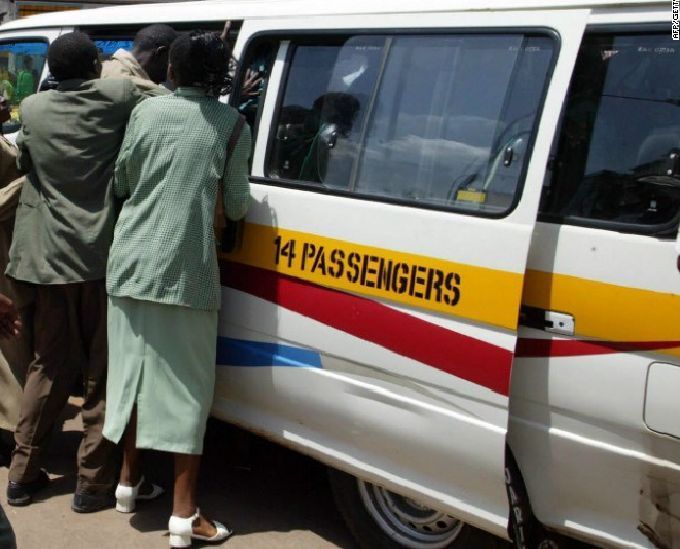
The daily commute has become a source of financial dread for millions of Kenyans following a nationwide surge in public transport fares. This shift comes as a direct consequence of the recent spike in global oil prices, which has pushed local pump prices to unprecedented levels, leaving the transport sector with little choice but to pass the cost to the consumer.

From Nairobi’s busy estates to the long-distance routes connecting the countryside, the “Matatu” industry and taxi-hailing services have adjusted their price charts, further squeezing a population already struggling with a high cost of living.

The Fuel Catalyst

The primary driver behind this crisis is the skyrocketing cost of fuel. Following the ongoing conflict in the Middle East and the resulting surge in Brent crude oil—which has breached the $120 per barrel mark—the Energy and Petroleum Regulatory Authority (EPRA) has adjusted local prices upward.

Because fuel is the single largest operating expense for public service vehicles (PSVs), any change at the pump triggers an immediate ripple effect. Transport owners argue that without raising fares, they would be operating at a loss, unable to cover basic maintenance, insurance, and loan repayments.

Urban vs. Long-Distance Impact

The fare adjustments have varied across different routes, but the impact is felt universally:

  • Nairobi Commuters: Routes that previously cost Ksh 50 or Ksh 70 during peak hours have seen jumps of Ksh 20 to Ksh 30. For a worker earning a modest salary, this additional daily expense translates into thousands of shillings lost every month.

  • Long-Distance Travel: Passengers traveling from Nairobi to Western Kenya, the Coast, or the Rift Valley have seen tickets increase by Ksh 200 to Ksh 500. This has significantly hampered domestic travel and the movement of small-scale traders who rely on buses to transport goods.

  • Digital Taxis: Drivers on apps like Uber and Bolt have also been vocal about the “fuel trap,” with many choosing to stay offline or demand “top-up” cash from passengers to compensate for the high fuel consumption.

The Ripple Effect on the Economy

The rise in fares is not just about the cost of moving people; it is about the cost of moving life. As transport costs go up, so does the price of basic commodities.

  • Food Prices: Groceries transported from rural farms to urban markets like Wakulima or Muthurwa now carry a higher price tag to cover the increased haulage fees.

  • Reduced Spending Power: With more money going toward bus fares, Kenyan families are being forced to cut back on other essentials, including healthcare, school supplies, and diverse diets.

The Call for Government Intervention

Transport unions and consumer rights groups have called on the government to intervene. The primary demands include:

  1. Fuel Subsidies: A return to more aggressive fuel stabilization funds to cushion the pump price.

  2. Tax Review: A re-evaluation of the numerous taxes and levies that currently make up nearly half the price of a liter of fuel in Kenya.

  3. Public Transport Regulation: A plea for a more organized mass transit system that could offer cheaper, state-subsidized alternatives during global energy crises.

Looking Ahead

As global tensions show no signs of immediate cooling, the “Matatu” culture—the heartbeat of Kenya’s economy—remains in a precarious position. For now, the Kenyan commuter is left to balance their budget on a razor’s edge, waiting for the global oil market to stabilize while hoping that the next EPRA review brings some much-needed relief.

Fuel Prices Down In Kenya By Ksh 5- Here’s What You Need to Know

Good news for Kenyan motorists! The Energy and Petroleum Regulatory Authority (EPRA) has announced a decrease in fuel prices for the next month, starting January 15th, 2024.

Here’s the breakdown:

  • Super Petrol: Down by Ksh5 per liter, bringing the new price in Nairobi to Ksh207.36 and Ksh207.12 in Kisumu.
  • Diesel: Also drops by Ksh5 per liter, with a new cost of Ksh196.47 in Nairobi and Ksh196.64 in Kisumu.
  • Kerosene: Sees a slightly smaller decrease of Ksh4.82 per liter, making it Ksh194.23 in Nairobi and Ksh194.42 in Kisumu.

What to expect:

  • The new prices will be effective from midnight tonight, January 15th.
  • This decrease reflects changes in global oil prices and the exchange rate.
  • The 16% Value Added Tax (VAT) introduced in the Finance Act 2023 is already factored into the new prices.

Additional notes:

  • EPRA cross-subsidized the cost of Diesel with Super Petrol, and Oil Marketing Companies will be compensated from the Petroleum Development Levy (PDL) fund.
  • EPRA remains committed to ensuring fair competition and protecting the interests of both consumers and investors in the energy and petroleum sectors.

Fuel Prices Hit The Ksh 200 Mark Per Litre

Kenyans will have to pay more for fuel products after the government hiked prices in the latest review.

In a statement on Thursday night, the Energy and Petroleum Regulatory Authority (EPRA) increased Super Petrol prices by Ksh16.96, Diesel by Ksh21.32 and Kerosene by Ksh33.13.

The changes that took effect on September 15, saw the retail price of a litre of Super Petrol in Nairobi rise to Ksh211.64, Diesel Ksh200.99, and Kerosene Ksh202.61.

EPRA attributed the hike in fuel prices to an increase in the weighted average cost of imported refined petroleum products.

The price increase is expected to have a significant impact on Kenyans, especially those who rely on fuel products for their day-to-day activities. It is also likely to lead to an increase in the cost of goods and services.

The government has urged Kenyans to conserve fuel products as much as possible during this difficult time.

Ghafla!
Privacy Overview

This website uses cookies so that we can provide you with the best user experience possible. Cookie information is stored in your browser and performs functions such as recognising you when you return to our website and helping our team to understand which sections of the website you find most interesting and useful.