Matatu Operators Call Off Nationwide Strike After Government Talks

The looming nationwide transport sector strike has been officially called off following high-stakes deliberations with the State. Public transport operators agreed to shelve the protest, which was scheduled to resume on Monday, May 26, to pave the way for structured dialogue with the government over skyrocketing fuel prices.

The breakthrough announcement was made on Friday, May 22, during a press briefing at State House, Mombasa, immediately after transport stakeholders concluded a consultative meeting with President William Ruto.

Back on the Roads

Addressing the press, Edwin Mukabana, the chairperson of the Federation of Public Transport Sector, directed all industry players to resume normal operations immediately, bringing immense relief to commuters across the country.

“I am announcing to all our members, especially our investors, drivers and conductors, that following our deliberations with His Excellency, the strike we had suspended has now been fully called off,” Mukabana stated. “We expect this to take immediate effect, and everyone should return their vehicles to the road.”

A Sudden Turn of Events

The decision to call off the strike marks a massive shift in the unfolding transport crisis, coming just days after splinter groups within the transport alliance traded accusations of betrayal over parallel, closed-door talks with Cabinet Secretaries.

By taking their grievances directly to President Ruto at State House, the federation leadership appears to have bypassed previous gridlocks. While the formal resolution details regarding the heavy fuel costs remain under wraps, the immediate threat of a transport paralysis next week has been successfully averted.


Matatu Operators Suspend NationWide Strike For A Week

A fragile calm has returned to Kenya’s urban centers after matatu operators temporarily suspended their crippling nationwide strike over skyrocketing fuel prices. The breakthrough followed intense emergency deliberations between union leaders and cabinet officials in Nairobi, bringing a temporary end to two days of empty highways, closed terminals, and millions of stranded commuters.

The 48-hour standoff has exposed the deep economic vulnerabilities of a nation heavily reliant on road transport. With the strike suspension slated to last only until Tuesday, May 26, 2026, the government faces a narrow seven-day window to broker a sustainable pricing agreement with the Transport Sector Alliance and avert a prolonged economic crisis.

The Anatomy of a Nationwide Standstill

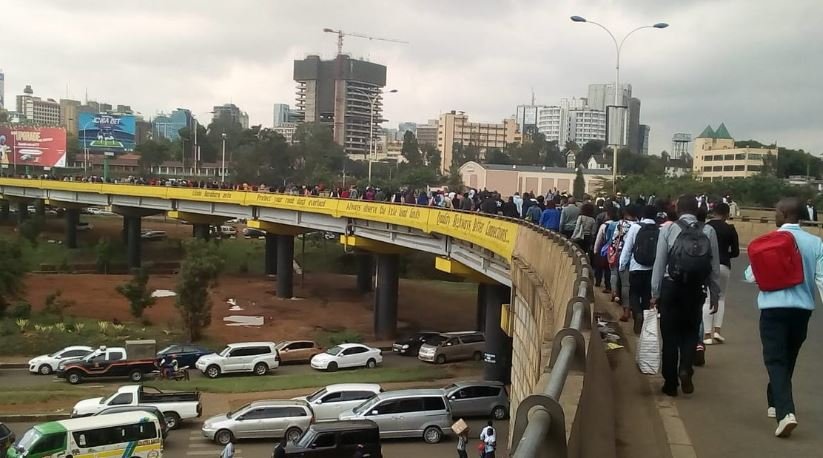
The coordinated industrial action, which commenced late Sunday evening, managed to paralyze key transport corridors across the country. Major logistical arteries, including the Thika Superhighway, Mombasa Road, and the Nairobi-Nakuru highway, witnessed an unprecedented absence of public service vehicles (PSVs). Hundreds of thousands of workers were forced to walk long distances to their destinations, while others abandoned their commutes entirely.

Economists at the Central Bank of Kenya suggest that each day of complete transport paralysis drains billions of shillings from the national economy. The informal sector, which relies on daily mobility for retail trade, bore the brunt of the shutdown. Fresh produce rotted at transit hubs, and essential services reported severe staff shortages across both public and private institutions.

The Economic Hemorrhage on the Highways

The ripple effects of the transport freeze extended beyond passenger inconvenience. Heavy commercial logistics, ride-hailing networks, and localized motorcycle operators joined the boycott in solidarity. The Transport Sector Alliance indicated that operators have been absorbing unsustainable operational losses for months, choosing to park their fleets rather than operate at a deficit under the current petroleum pricing regime.

Urban economic analysts emphasize that the matatu industry is a massive employer supporting mechanics, terminal clerks, fuel attendants, and informal vendors. When the sector grounds its vehicles, the localized financial ecosystem immediately collapses, pushing thousands of vulnerable households into financial distress.

Tense Negotiations at the Ministry

The breakthrough occurred during high-stakes deliberations spearheaded by Interior Cabinet Secretary Kipchumba Murkomen and Energy Cabinet Secretary Opiyo Wandayi. Recognizing the mounting threat to public order, the state moved to bring dissenting stakeholders to the table. The government has committed to a comprehensive review of the pricing structure and associated taxation frameworks that currently inflate the cost of importation and retail distribution.

However, the negotiations remain fraught with deep underlying mistrust. Union officials have explicitly warned that the resumption of services is not a capitulation, but rather a diplomatic grace period. If concrete policy shifts are not gazetted by the May 26 deadline, operators have threatened to launch an even more expansive, indefinite industrial shutdown.

The Numbers Behind the Pump Prices

At the core of the grievance are the recent regulatory pricing directives issued by the Energy and Petroleum Regulatory Authority (EPRA). The structural cost of energy in Kenya remains heavily burdened by cumulative levies and volatile global market conditions.

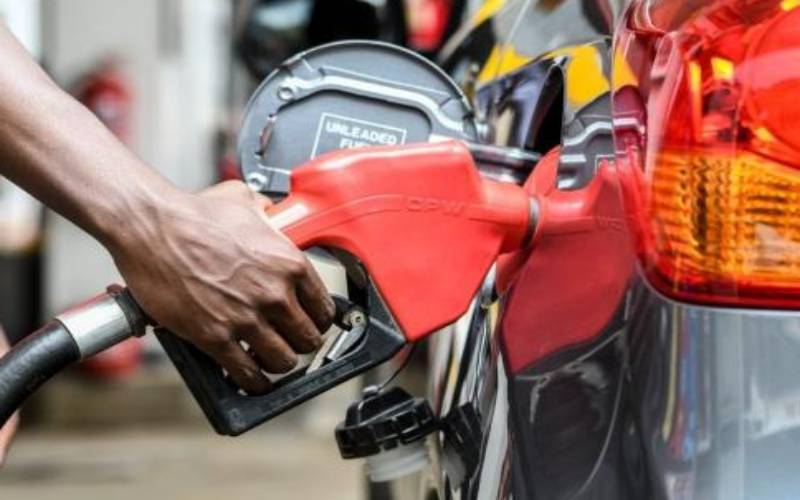
Currently, Diesel retails at KES 232.86 per litre in Nairobi, heavily impacting commercial transport, while Kerosene stands at KES 191.38 per litre, affecting low-income households. Super Petrol remains at KES 214.25 per litre despite recent treasury interventions that deployed KES 2.7 billion from the stabilization fund to cap further spikes.

An Uneasy Countdown

As the one-week deadline looms, the streets of Nairobi hum with an uneasy, temporary rhythm. Policy experts warn that the government’s fiscal space is severely constrained by international debt obligations, leaving little room for massive blanket fuel subsidies.

The state must now attempt a delicate balancing act: appeasing a militant transport sector without breaching the stringent macroeconomic targets set by multilateral lenders. What happens in the cabinet over the next seven days will dictate the immediate economic future of the nation.

Matatu fare: here’s how much you should expect to pay following fuel hike

Commuters in Nairobi and across the country are bracing for higher transport costs after the Matatu Owners Association announced a 25 per cent increase in fares.

Fuel Prices Trigger Fare Hike

The announcement was made on Wednesday, April 15, a day after the Energy and Petroleum Regulatory Authority (EPRA) raised fuel prices, with petrol increasing by KSh28 per litre and diesel by KSh40.

Matatu operators say the sharp rise—particularly in diesel—has significantly reduced their earnings, forcing them to adjust fares to stay operational.

“We agreed that we are going to increase fares by 25 per cent… an increase of diesel by KSh40 is going to take almost KSh2,400 per vehicle per day, and so our profit is going to go down,” a representative said.

They added that the move was unavoidable and urged the government to consider reinstating fuel subsidies to ease the burden.

Impact on Daily Commuters

The fare adjustment is expected to take immediate effect across major routes, particularly in Nairobi and surrounding estates, where thousands rely on matatus daily.

On Thika Road, fares that typically average KSh100 during peak hours are expected to rise to about KSh125. Off-peak fares could increase from around KSh70 to approximately KSh90, affecting commuters travelling to areas such as Roysambu, Kasarani, Githurai, and Zimmerman.

Routes from the CBD to estates like Kawangware, Kibera, Kangemi, and parts of Mathare could see fares rise from KSh80 to about KSh100.

Similarly, trips to Embakasi, Pipeline, Donholm, Umoja, and Kayole—previously costing around KSh100—are likely to increase to between KSh125 and KSh130.

Longer-distance routes are also affected. Commuters travelling to Rongai, Ngong, Ruaka, Kikuyu, and Thika may see fares jump from KSh150 to nearly KSh190 during peak hours.

Even short-distance routes are not spared. Trips costing KSh50 could rise to around KSh60–65, while those previously at KSh30 may increase to about KSh40 in areas such as Eastleigh, Ngara, and Parklands.

Upcountry Travel Also Affected

The ripple effect has extended beyond the city. Bus fares from Nairobi to upcountry destinations have also gone up, with some routes recording significant increases.

For instance, travel to Migori has risen from about KSh1,400 to KSh1,800, while fares to Mombasa have increased from roughly KSh1,500 to KSh2,000. Trips from Mombasa to other regions have also climbed to around KSh3,000.

Concerns Over Implementation

Even before the official announcement, some commuters had already reported fare increases exceeding the 25 per cent guideline, raising concerns about enforcement and regulation.

Call for Government Intervention

The Matatu Owners Association is now urging the government to reintroduce fuel subsidies to cushion both operators and passengers.

They warn that without intervention, fare hikes could become more frequent whenever fuel prices rise, further straining millions of Kenyans who depend on public transport for daily activities.

Fuel Shortage Bites as Matatu Fares Spike and Motorists Struggle Nationwide

A worsening fuel shortage is taking a heavy toll on Kenyan commuters, with transport costs rising sharply and motorists across the country scrambling to secure limited supplies.

On the busy Nakuru–Nairobi route, matatu fares have surged from Ksh450 to as high as Ksh700, as operators grapple with difficulties accessing fuel. Transport saccos attribute the steep increases to ongoing supply challenges, warning that the public transport sector is under intense strain.

Commuters Bear the Brunt

The fare hikes have left many passengers with limited options, forcing them to either dig deeper into their pockets or endure longer waiting times as fewer vehicles operate. Matatu operators say the situation is becoming unsustainable, with some vehicles being grounded due to lack of fuel.

Nationwide Shortage Triggers Desperation

Across the country, scenes of frustration and desperation are becoming increasingly common. Motorists in towns such as Karatina, Nyeri, and Kisumu have been forced to spend hours searching for fuel at stations that have either run dry or are rationing supplies.

In Nairobi, long queues have been reported along Mombasa Road, where motorists wait anxiously in hopes of refuelling.

Protests Erupt in Western Kenya

The crisis has also sparked unrest, particularly in Western Kenya, where boda boda riders have taken to the streets to protest what they claim is deliberate hoarding of fuel by some retailers. The riders argue that artificial shortages are worsening their already fragile livelihoods.

Warning Signs from Industry and Government

The situation has been further complicated by revelations from Energy Cabinet Secretary Opiyo Wandayi, who disclosed the existence of an unauthorised 60,000-metric-tonne fuel consignment — a development that has raised fresh concerns about supply chain integrity.

Meanwhile, Martin Chomba, Chair of the Petroleum Outlets Association of Kenya, has warned that fuel prices could rise by between Ksh30 and Ksh60 per litre in the upcoming April 14 pricing review. If implemented, petrol prices could climb to as high as Ksh231.68 per litre, adding further pressure on consumers and businesses alike.

Uncertain Outlook

With supply constraints persisting and the prospect of higher fuel prices looming, the crisis shows little sign of easing. For now, commuters, motorists, and transport operators remain at the mercy of a volatile fuel market, as the country watches closely for intervention measures or relief.

Matatu Operators Suspend Nationwide Strike To Favor Dialogue

Nairobi residents woke up to a morning of uncertainty as sections of the capital experienced a significant shortage of Public Service Vehicles (PSVs) and sporadic roadblocks on major arteries like Waiyaki Way, Outering Road, and Moi Avenue.

However, the anticipated nationwide transport paralysis was largely averted after the Federation of Public Transport Sector (FPTS) announced a strategic suspension of the strike originally scheduled for Monday, February 2, 2026. This decision to pull back from the brink of a total shutdown followed a weekend of intense negotiations aimed at cooling the “brewing tension” between the government and the transport industry.

Reason for strike

The suspension is intended to create a cooling-off period for high-level consultations involving the National Transport and Safety Authority (NTSA), the National Police Service, and various unions representing everyone from long-distance coach operators to boda boda riders. According to the notice issued by the federation, the goal is to reach an amicable solution regarding pressing concerns over safety, enforcement, and the general regulation of the public transport space. While the statement assured the public that transport services would resume their normal rhythm, it emphasized that the ongoing dialogue is a necessary step to prevent a future collapse of law and order on the roads.

READ ALSO; Cartoon Comedian’s Boyfriend ‘Rotimi’ Confirms They Broke Up And AreCo-Parenting

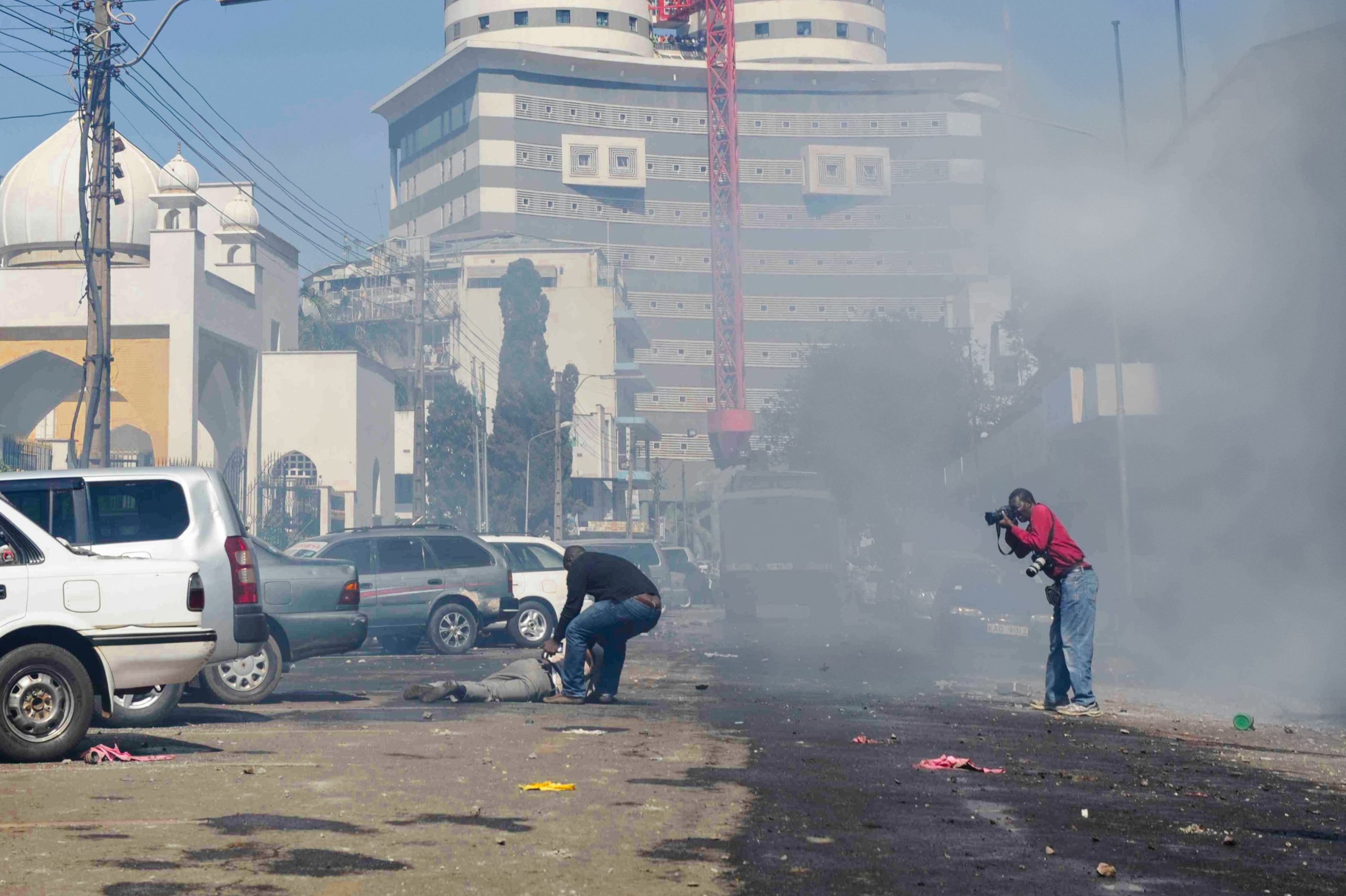
The root of the strike dates back to a series of disturbing incidents involving mob justice. The Motorist Association of Kenya (MAK) noted that the protest was triggered by the government’s perceived silence following the torching of at least nine vehicles—including trucks, buses, and private cars—by angry mobs. These incidents, which occurred in areas like Juja, the Thika Superhighway, and Luanda in Vihiga County, typically followed road accidents involving pedestrians or boda boda riders. Transporters have argued that these acts of arson represent millions of shillings in losses and create a “frightening” environment where due process has been replaced by violence, placing drivers and passengers in constant danger.

In Talks

Addressing the situation during a stakeholders’ meeting, Nairobi Region Police Commander George Sedah emphasized that the government is committed to enacting measures that uphold road safety and civil order. He noted that a disorganized society gives the impression of a failed state and urged all stakeholders to operate seamlessly and with respect for the law. While the immediate threat of a paralyzing strike has subsided, the transport sector remains cautious, waiting to see if the promised dialogue will yield concrete protections for motorists against mob violence and ensure a more secure working environment for the nation’s transporters.

Ghafla!
Privacy Overview

This website uses cookies so that we can provide you with the best user experience possible. Cookie information is stored in your browser and performs functions such as recognising you when you return to our website and helping our team to understand which sections of the website you find most interesting and useful.