Commuters Stranded For A Second Day As Matatu Owners Association Digs In

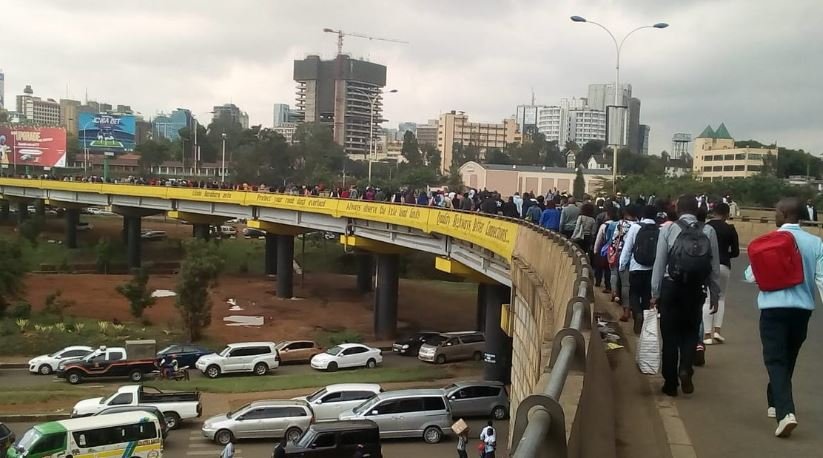
The nationwide public transport strike entered its second day on Tuesday, May 19, 2026, leaving commuters across the country facing persistent travel disruptions and forcing thousands to walk to their destinations.

While public service vehicles (PSVs) remained largely absent from their usual routes, a few operators offered limited services. Despite the ongoing boycott, major roads leading into the capital remained fully operational. The Kenya Red Cross confirmed that traffic was flowing smoothly with “no reports of major disruption or traffic snarl-ups” in the wake of Monday’s chaotic protests.

Empty Highways and Closed Schools

The impact of the strike transformed Nairobi’s usually congested infrastructure. Sections of the busy Thika Superhighway recorded unusually light traffic, with large stretches of the multi-lane highway remaining clear during peak hours as commuting slowed to a crawl.

The unrest and transport shortage also hit the education sector. Fearful of safety risks and stranded children, numerous institutions suspended learning.

“Most schools around the city also remained closed, with learners advised to stay at home due to safety concerns linked to the continued transport disruption,” the Kenya Red Cross stated, adding that it is actively monitoring the situation across the country.

Operators Dig In Despite Government Pressure

The economic standoff stems from severe frustration among transport stakeholders over skyrocketing fuel prices, which operators argue have made the transport business entirely unsustainable.

Monday’s initial protests saw fare spikes and widespread gridlock as operators withdrew their fleets. While the government attempted to defuse the crisis with a minor mid-cycle price reduction on Monday evening, transport leadership has flatly rejected the concession.

The Matatu Owners Association (MOA) reaffirmed that the boycott will continue until the state introduces substantial fiscal reliefs on fuel taxation. MOA President Albert Karagacha emphasized that the industry would not back down, stating that the current fuel prices and aggressive taxation policies are devastating both transport investments and ordinary Kenyans.

Nationwide Transport Strike Looms As Operators Announce 50% Fare Hike

The public transport sector is headed for a major showdown with the government following the announcement of a nationwide strike set to begin this Monday. The move comes as a direct protest against the sharp increase in fuel prices, with industry leaders warning of a total paralysis of transport services across the country.

In addition to the planned strike, representatives from matatu owners, tour vehicle operators, and boda boda associations have declared an immediate 50% increase in commuter fares, citing the unsustainable cost of operations under the new fuel rates.

Total Paralysis Expected Monday

Speaking on Friday, Matatu Owners Association President Albert Karakacha confirmed that operators have resolved to withdraw all vehicles from the road. The strike is intended to force a government response to the escalating energy costs that have hit the sector particularly hard.

“On Monday, there will be strictly no movement of any vehicles; all the roads will be blocked until the government listens to our cry because we have been promised, but everything we are promised has not come to fulfilment,” Karakacha stated.

The association head urged all investors in the public transport sector to implement the 50% fare adjustment immediately to keep their businesses afloat during this period of economic volatility.

Impact on the Broader Transport Network

The operators warned that the disruption would extend far beyond traditional matatus. The planned demonstrations and fare hikes are expected to impact:

  • Ride-Hailing Apps: Digital transport network companies will likely see significant service interruptions and price surges.

  • Boda Boda Services: Short-distance transit is expected to become significantly more expensive or unavailable.

  • Logistics and Tourism: Tour vehicle operators have signaled that their services will also be affected by the withdrawal of labor.

The industry leaders maintained that the “brutal” fuel price adjustments—which saw diesel costs rise by over Ksh 46—have left them with no choice but to take drastic action. As Monday approaches, millions of commuters across the country are bracing for a week of severe travel disruptions.

Matatu Operators Suspend Nationwide Strike To Favor Dialogue

Nairobi residents woke up to a morning of uncertainty as sections of the capital experienced a significant shortage of Public Service Vehicles (PSVs) and sporadic roadblocks on major arteries like Waiyaki Way, Outering Road, and Moi Avenue.

However, the anticipated nationwide transport paralysis was largely averted after the Federation of Public Transport Sector (FPTS) announced a strategic suspension of the strike originally scheduled for Monday, February 2, 2026. This decision to pull back from the brink of a total shutdown followed a weekend of intense negotiations aimed at cooling the “brewing tension” between the government and the transport industry.

Reason for strike

The suspension is intended to create a cooling-off period for high-level consultations involving the National Transport and Safety Authority (NTSA), the National Police Service, and various unions representing everyone from long-distance coach operators to boda boda riders. According to the notice issued by the federation, the goal is to reach an amicable solution regarding pressing concerns over safety, enforcement, and the general regulation of the public transport space. While the statement assured the public that transport services would resume their normal rhythm, it emphasized that the ongoing dialogue is a necessary step to prevent a future collapse of law and order on the roads.

READ ALSO; Cartoon Comedian’s Boyfriend ‘Rotimi’ Confirms They Broke Up And AreCo-Parenting

The root of the strike dates back to a series of disturbing incidents involving mob justice. The Motorist Association of Kenya (MAK) noted that the protest was triggered by the government’s perceived silence following the torching of at least nine vehicles—including trucks, buses, and private cars—by angry mobs. These incidents, which occurred in areas like Juja, the Thika Superhighway, and Luanda in Vihiga County, typically followed road accidents involving pedestrians or boda boda riders. Transporters have argued that these acts of arson represent millions of shillings in losses and create a “frightening” environment where due process has been replaced by violence, placing drivers and passengers in constant danger.

In Talks

Addressing the situation during a stakeholders’ meeting, Nairobi Region Police Commander George Sedah emphasized that the government is committed to enacting measures that uphold road safety and civil order. He noted that a disorganized society gives the impression of a failed state and urged all stakeholders to operate seamlessly and with respect for the law. While the immediate threat of a paralyzing strike has subsided, the transport sector remains cautious, waiting to see if the promised dialogue will yield concrete protections for motorists against mob violence and ensure a more secure working environment for the nation’s transporters.

Ghafla!
Privacy Overview

This website uses cookies so that we can provide you with the best user experience possible. Cookie information is stored in your browser and performs functions such as recognising you when you return to our website and helping our team to understand which sections of the website you find most interesting and useful.