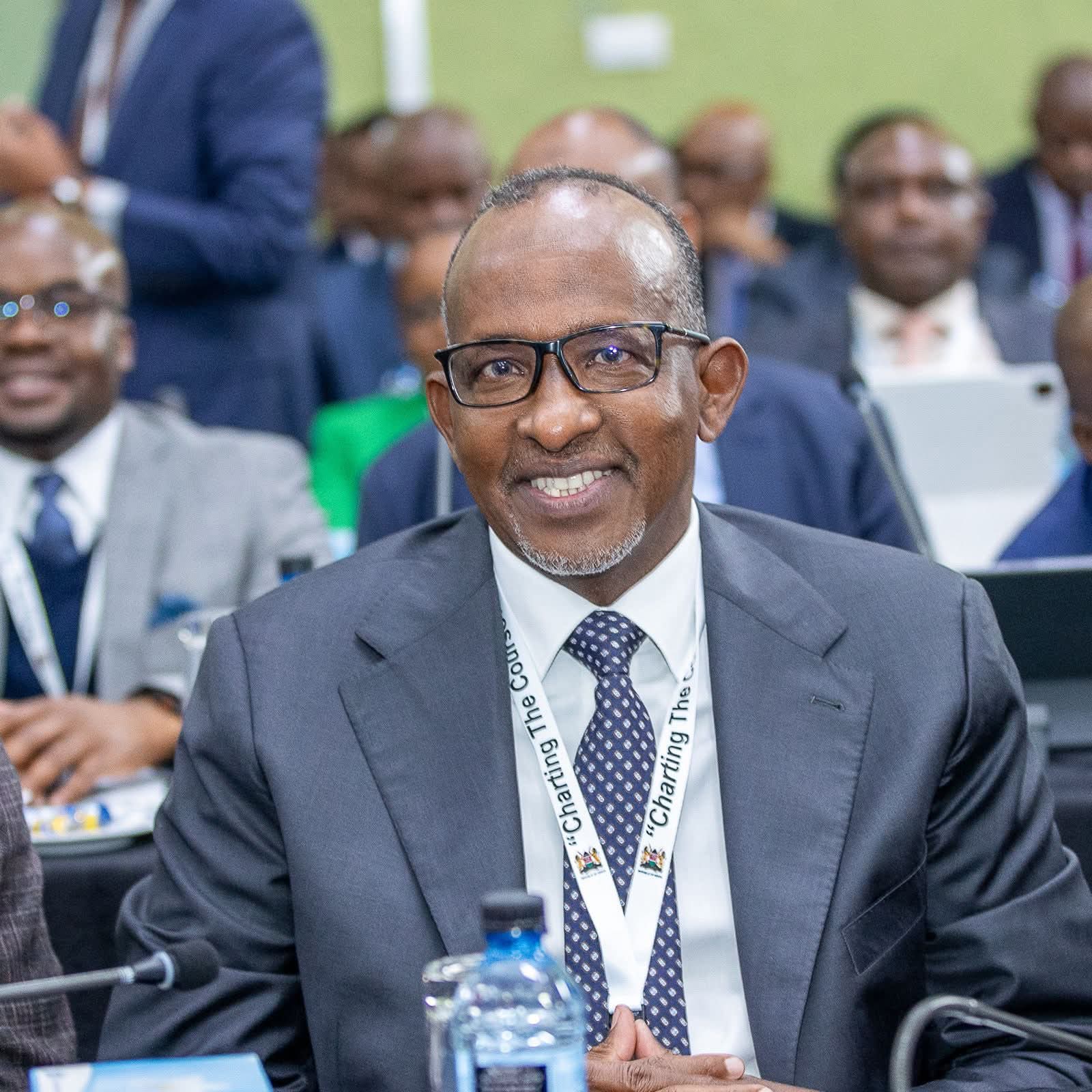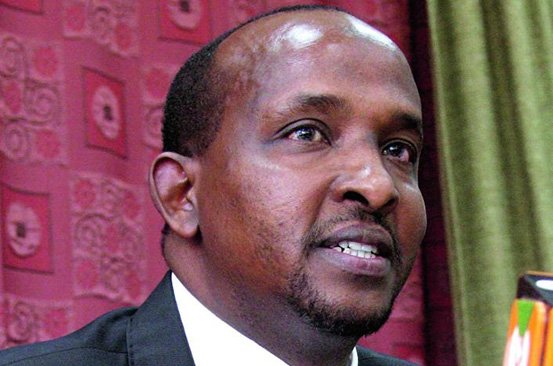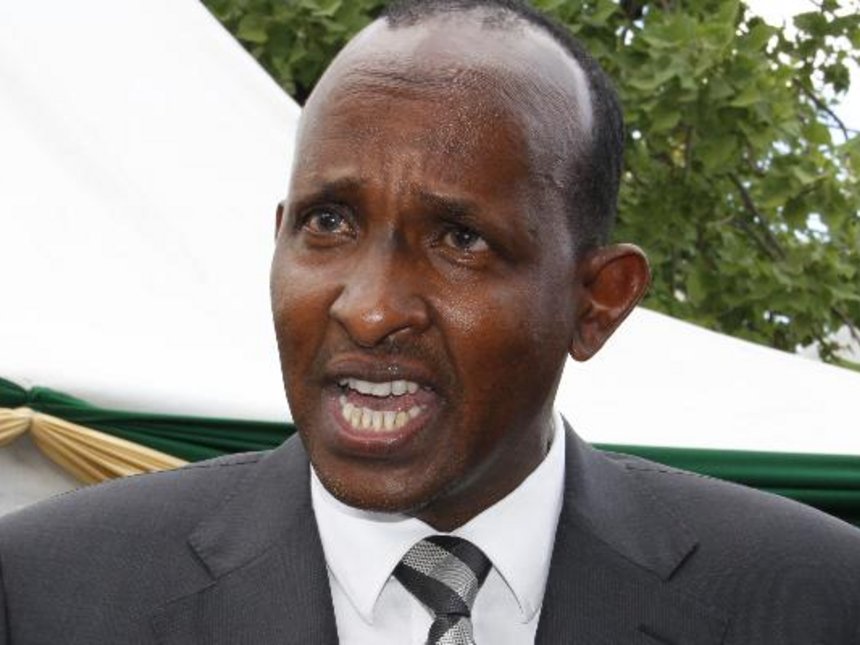
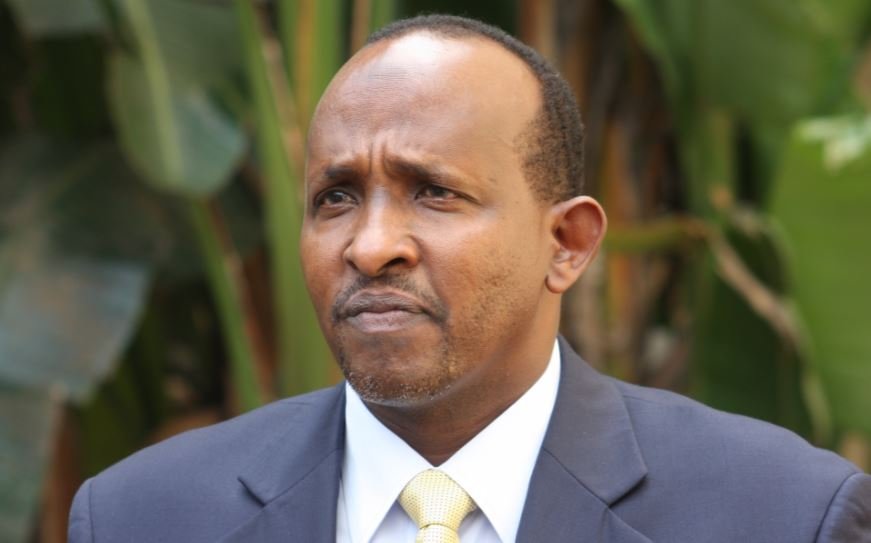
Health Cabinet Secretary Aden Duale has expressed optimism about the future of Kenya’s healthcare sector, saying the country is already among the continent’s top performers and has the potential to become Africa’s leading healthcare destination within the next decade.
Speaking during a recent public engagement, Duale said Kenya currently ranks among the best healthcare systems in Africa and credited ongoing government reforms for the progress being made.
“Kenya is number two in Africa in terms of healthcare delivery. Under the good leadership of President Ruto, we will become number one, surpassing even the US in the next ten years,” Duale said.
Vision for a Stronger Healthcare System
Duale’s remarks come as the government continues rolling out reforms aimed at achieving Universal Health Coverage (UHC), one of the flagship programmes of the Kenya Kwanza administration.
The Ministry of Health has been expanding access to digital health services, strengthening primary healthcare facilities, and implementing the Social Health Authority (SHA), which replaced the National Health Insurance Fund (NHIF).
According to the government, these reforms are intended to make healthcare more affordable, accessible, and efficient for Kenyans while reducing the financial burden associated with medical treatment.
The Ministry has reported that more than 29 million Kenyans have registered under the Social Health Authority, while over 107,000 community health promoters have been deployed across the country to support healthcare services at the grassroots level.
Driving Healthcare Through Technology
A key component of the government’s healthcare agenda is the digitisation of health services.
The Ministry says the initiative will enable patients to access medical records electronically while improving efficiency, accountability, and continuity of care across healthcare facilities.
To support the programme, more than 74,000 digital devices are expected to be distributed nationwide.
The government has also prioritised preventive healthcare, maternal health services, and the expansion of primary healthcare programmes as part of broader efforts to improve health outcomes.
Challenges Facing the Sector
Despite the ambitious plans, Kenya’s healthcare system continues to face a number of challenges.
Stakeholders have raised concerns about funding constraints, shortages of healthcare workers, delayed reimbursements to medical facilities, and implementation challenges surrounding the Social Health Authority.
Health experts argue that while Kenya has made considerable progress compared to many countries in the region, achieving world-class healthcare standards will require sustained investment, improved infrastructure, and better access to quality services, particularly in underserved and rural areas.
Looking to the Future
Duale has maintained that strategic partnerships with private healthcare providers, increased investment in preventive medicine, and continued adoption of digital solutions will be essential in achieving the country’s long-term healthcare goals.
The Ministry says the ongoing reforms are aimed at building a resilient, patient-centred healthcare system capable of meeting the demands of a growing population.
While opinions remain divided on how quickly those ambitions can be realised, Duale’s remarks have renewed discussion about Kenya’s healthcare progress and the steps required to achieve universal access to quality medical care.