
What’s the definite Must-Have’s for a memorable road trip with your gang?

Well, road trips are fun for their exploratory nature. A well-planned road trip with a tight circle of friends can be the highlight of the year.

A road trip has a definite ultimate destination in mind, but there may be numerous side trips or unplanned activities along the way. The magic lies in the spontaneity of it.

Make good choice of friends for a road trip – your joy depends on it.

Plan for the essentials.

Essential car tools and accessories, like spare tires, equipped tool boxes with jump cables, tow cables, gas cans, triangle reflectors, et al. It pays off if a member of the gang possesses basic motoring skills.

Travel first aid kit with bandages, burn cream, tweezers, gauze & medical tape, antihistamine, pain relief medicine.

Comfortable backpack capable of holding water bottle, snacks, camera, or other incidentals.

Lots of good music – or whatever favorite past time your gang likes – some may like audio books, podcasts, et al.

A tent, sleeping bag and pad so when you’re driving by somewhere super beautiful you can just pull over and pitch your tent, making the best portable home wherever you find it! Means saving money to be used in booking hotels!

A cooler with lots of drinks – however, in case of alcoholic drinks, be sure to have a designated driver at any point of the road trip – in turns.

Enough bottled drinking water, healthy snacks for the road (granola bars, fruit, nuts, shake mixes) as you don’t want to rely on only junk or roadside fast food.

Quality electronic device car chargers for smart phones, laptops, tablets, etc. as well as headphones for individual listening.

Maps – like, printed maps – not just digital maps, as sometimes devices may go off, or get reset.

Sunglasses, for comfort in case of glair – or for sheer ooze and pomp. Glasses are stylish.

Casual clothing and layered clothing like tees, sweatshirts, rain slicker, and warm jacket if traveling to cold temperature destinations.

Perhaps, the biggest factor lies in the cost factor. A lot of times, road trip groups usually save up for the trip in a central account. It may even take a year or so.

On the duration of the trip, carry along only the essential amount in liquid cash – as protection for hazards of the road – like, robberies. A little cash comes in handy, too, if your car ends up in a ditch and a homely neighbor needs to tow you out with his tractor!

The bulk of the trip savings, though, has to be in a safe place, and yet within reach in times of need.

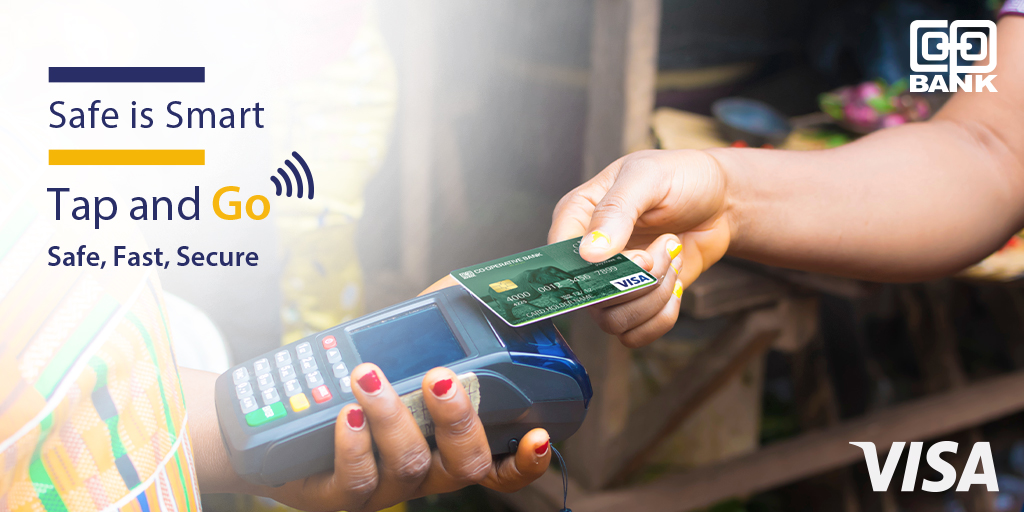
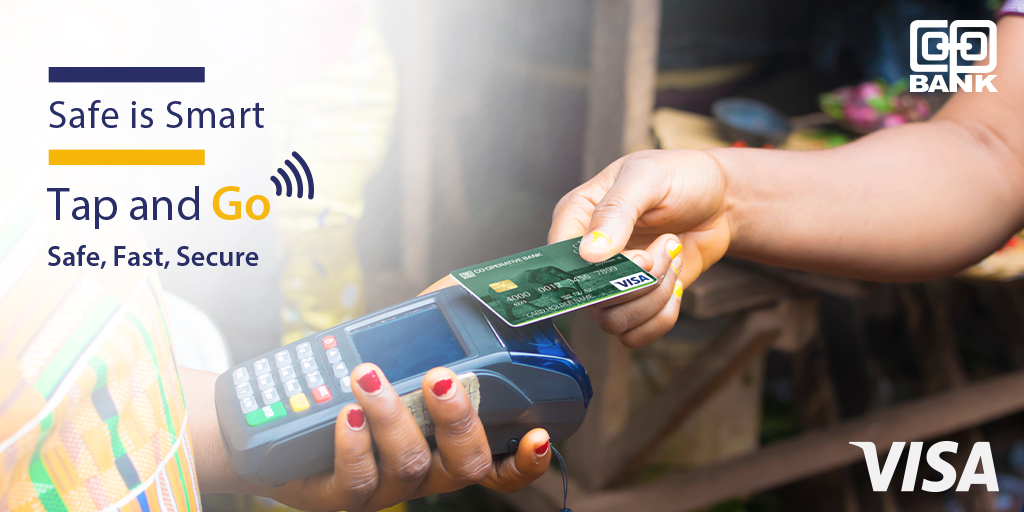
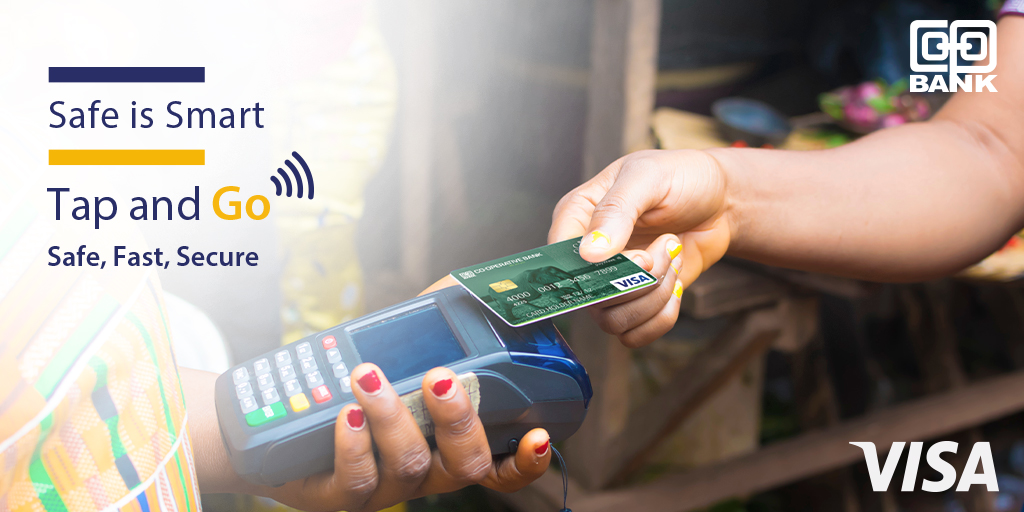
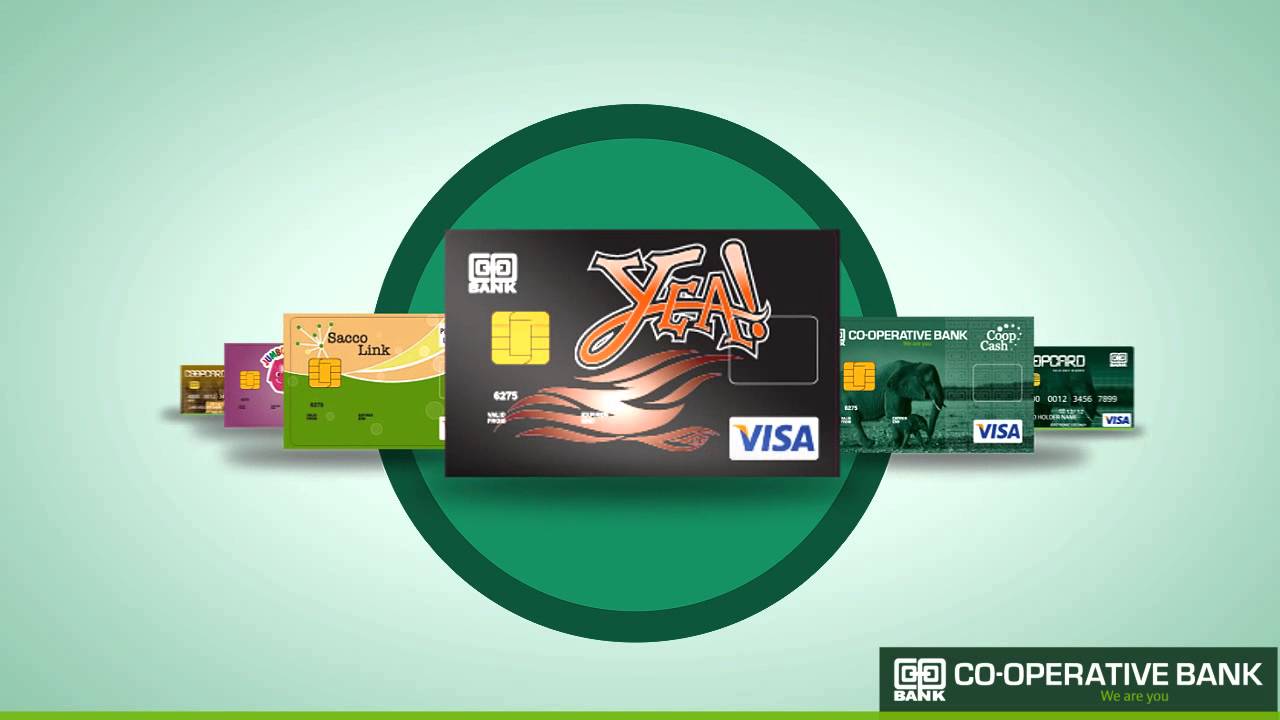
For cashless payments, Co-op Bank offers a seamless experience through its Visa-branded cards. All kinds of payments foreseeable on a road trip can be made by safely swiping Co-op Bank Visa cards at payment points.

Name it: fuel purchases, hotel bookings, eating at hotels and restaurants, souvenir-shopping…..

Swiping Co-op Bank Visa cards comes at no extra costs.

It’s free, convenient, and safe. It’s also easy to track spending through instant notifications on mobile phone.

To learn more on opportunities availed by Co-op Bank Visa cards, check online by clicking here, or visit the nearest Co-op Bank branch and speak to the staff.

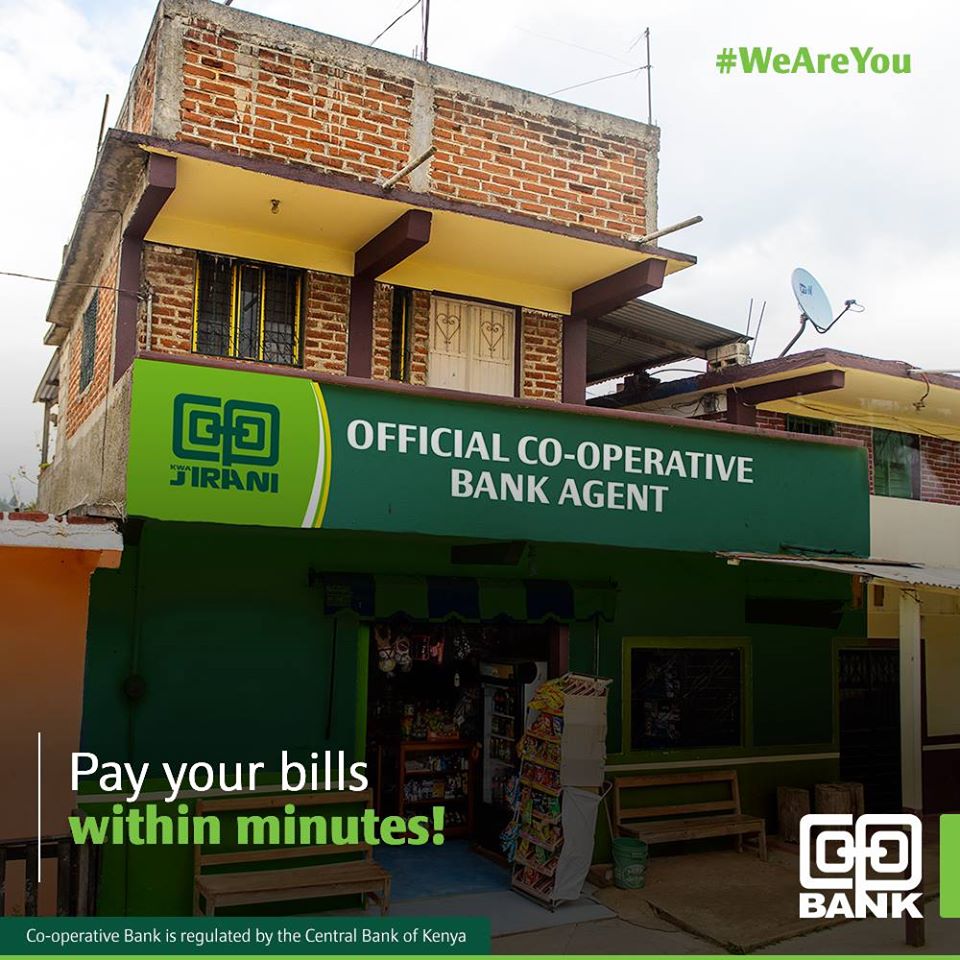
Would you like to become a Co-op Kwa Jirani Agent? It doubles traffic and increases sales at your business premises.

Becoming a banking agent in lots of ways attracts new customers into your business premises. As a business offers banking services, it markets it gainfully markets its brand. This exposure means more clients, thus more sales.

Co-op Kwa Jirani is a grass root banking model meant to align daily banking requirements conveniently to your lifestyle, ran by Co-op Bank.

Co-op Kwa Jirani enables customers to carry out all banking transactions through an agent appointed by the bank.

Co-op Bank’s Agency Banking mostly entails cash deposit taking, cash withdrawals, school fees payments, utility payments, balance enquiry, mini-statements among others. One needs to have an account with Co-operative Bank to work as an agent.

The minimum balance of an agent will be determined by one’s appraisal forwarded to the Co-operative Bank.

Who can use Co-op Kwa Jirani?
Customers, non-customers, SACCO-link members, Co-operatives, MCU customers, SME customers and corporates.

You don’t have to be a Co-op Bank account holder to apply to be an agent.

The baseline requirements:

This is as easy as ABC. At your nearest Co-op Bank branch, fill in an application form and submit the following documents along with the application form:

  • Certificate of good conduct (for the individual)
  • PIN certificate
  • Bank statements if you are not a Co-op Bank account holder
  • Business permits for the last 12 months
  • Current business permit
  • Certificate of registration
  • Copy of ID or equivalent
  • Two passport size photographs
  • Business owners’ or directors’ CVs
  • CBK Form 3 & CBK Form 4 witnessed by Commissioner of Oaths

For corporates and SACCOs, the following additional documents will be required:

  • Audited books of accounts for the last two years
  • Resolution to carry out agency banking
  • SASRA approval for FOSA’s
  • VAT registration (where applicable)
  • The applicable fees to facilitate approval are:
  • CBK application fee – Ksh 1,000
  • Float placement – Determined by customer limit which is arrived at during appraisal

To learn all about Co-op Kwa Jirani visit the online portal, by clicking here. Alternatively, visit the nearest Co-op Bank branch – the bank staff will be ready to actively assist you sort out any queries.

Related: https://www.ghafla.co.ke/ke/did-you-know-that-a-co-op-kwa-jirani-agent-offers-the-exact-same-services-available-at-any-co-op-bank-branch/

Did you know that a Co-op Kwa Jirani agent offers the exact, same services available at any Co-op Bank branch?

The Co-op Kwa Jirani banking model is meant to suit your lifestyle and offer convenience, by bringing banking services to your door step. There’s absolutely no need to schedule a trip to town to seek banking services at a Co-op Bank branch.

You are a farmer delivering milk to clients in the morning? You can conveniently bank at the local grocery who’s a designated Co-op Bank agent.

Running a busy salon and you hardly got time to visit a bank to deposit cash? Visit the Co-op Kwa Jirani agent next door.

It’s really convenient, and safe.

The pickle on the pie is that Co-op Kwa Jirani agents doesn’t exclusively major on Co-op Bank clients only. The services include clients affiliated with Sacco’s, Fethalink and all Kenswitch-affiliated banks.

What are the services you can access at the local agent?

  • Cash Withdrawals – From Co-op Account / SACCO Account / Fethalink)
  • Cash Deposits – To Co-op Account / SACCO Account / Fethalink)
  • Funds Transfer – To Co-op Account / SACCO Account / Fethalink)
  • School/College/ University Fees payments – client can pay via cash or using a Co-op Visa Card)
  • Utility Bills Payment: KPLC bills, Water bills, Cable TV bills, etc.
  • Account balance checks – Co-op Account, Sacco Link account, and KenSwitch affiliated banks)
  • Account mini-statement – Co-op Account, Sacco Link account, and KenSwitch affiliated banks)

Other Payments that Co-op Bank clients can make at a Co-op Kwa Jirani agent include:

  • NHIF Payments
  • County Payments
  • Other Government Payments e.g. KRA

Is there a limit on the amount you can transact with an agent?

This depends on the transaction in question. Here’s are the parameters:

  • Cash deposits – No limit.
  • Cash withdrawals – Ksh 100,000.
  • School fees payments – No limit.

To learn all about Co-op Kwa Jirani visit the online portal, click here. Alternatively, visit the nearest Co-op Bank branch – the bank staff will be ready to sort out any queries.

Thinking of making merry in the village? You can help build local businesses by shopping locally!

This festive season, a lot of changes are bound to happen.

The ravaging global pandemic hasn’t been kind on so many fronts. The social aspect has been chucked out of the window. There won’t be much clubbing, or hanging out.

Travel options are limited. In any case, the economy is still trying to regain foothold, with many corporates and businesses operating on a breadline budget.

However, one option remains open, and many folks are sure to embrace it – the annual festive season pilgrimage to the rural village.

Well, urban dwellers have this dubious reputation.

After spending an entire year unapologetically snubbing the village, city dwellers pick the festive season to swoop down in droves to atone for their absence. To their credit, they do in pomp and style.

There’s the trademark mall-branded shopping bags from the city. In the village, these shopping bags are usually a fashion-statement.

The bags are laden with the usual household goods – a few packets of maize and wheat flour, a can of cooking oil, perhaps a pack or two of the popular Pishori rice… It gets boring pretty fast!

The adventurous urban will throw in a pizza or a couple of hamburgers to confuse their cousins in the village.

Now, here comes the twist.

Once the festive holidays comes to a close, the urban dwellers return to the city laden with twice or thrice the bounty they brought! Yes, it’s a trending joke, but it’s real!

All this is acceptable, after all, home is always best. And, this is what defines best.

What’s mildly not acceptable this year, is shopping in the city for basic household goods, hundreds of kilometers from the village.

I mean, this is the time to build your village. Bring the money to the village. Help support the hustle of your kin trying to make ends meet with businesses in the local market center.

Make a difference in your village with a much-needed influx of income into local businesses. After all, the maize flour on shelves in city malls is the same flour on display at your neighbor’s kiosk. Boost them, they’ll appreciate your presence more.

To enable this, banking is now available on a grassroots level.

Co-op Bank has established a unique grass root banking experience through its Co-op Kwa Jirani model that mirrors banking in conventional banking halls.

At Co-op Kwa Jirani, one can make instant cash withdrawals and deposits from Co-op Bank account, SACCO Account or Fethalink.

It also allows easy funds transfers.

Co-op Kwa Jirani is a convenient and simple banking model that suits your lifestyle and greatly avails convenience.

This festive season, access banking services at your local Co-op Kwa Jirani outlet – and boost your neighbor’s business by shopping locally!

Blind Dates: What tips the balance between ‘fun’ and ‘a total disaster’?

What do you need to know when meeting someone on a blind date?

Social Intelligence

This translates to the ability to know what should and should not be said in a social setting – especially someone you are meeting for the first time. An example of a really daft statement:

“If you want to date me, don’t you think you should lose some weight?”

It doesn’t matter how much chemistry you had developed, this kind of insensitivity is an instant killjoy. Not only are you trying to change someone you just met, but you also portray a narcissistic streak in you.

Discard Stereotypes

Sometimes, one’s background may unconsciously breed stereotypic opinions on matters like religion, women, ways of life, etc. Be cognizant of your date’s inclinations, and do not rush to offer opinions on how they should be, or live.

Like, an idiot may tell a lady date:

“As my wife, your clothes need to be a little looser”.

“I know you’ve been working for years in your career, but I prefer that my wife doesn’t work”.

If that date lasts to the end – she’ll block your number.

Trust your instincts

What’s your first impression of your date? Are they neat and tidy – clothes doesn’t need to be classy – but do they seem like they made an effort to look good?

Does your date give mixed signals? Like, one minute they are talking about kids, and the next they are saying how having kids ‘ties one down’?

The ‘Tell Me about Yourself’ line.

This is an open noose, and people often crucify themselves. It’s literally stumbling and falling headfirst into your mouth!

Do not be tempted to tell every bad thing you could think about yourself. Do not let your date nudge you, if they say: “so as to have no surprises later”. It’s a trap.

Do not show off your impressive porn collection in your phone.

Forget that whimsical weekend drinking binge you often indulge in with your friends.

Basic Mannerisms

This is hard to crack, and weirdly, it’s basically who we are when no one’s looking. Show less enthusiasm, and cultivate restrain during conversation.

If the man says something funny, do not shout: “Shut the f*** up!” No matter the chemistry, this is not your neighbor whom you’ve known for decades.

The Ex-Factor

Ignore your ex, no matter how fond or distasteful their memories are. It shows insecurity, if one rattles on and on about their ex. The psycho’s will sometimes call their exes to gloat over a new catch – YOU.

Run!

Money issues

A definite red flag is when your date asks at your first dinner how much money you make. That screams gold-digger, or a materialistic person. Love comes last.

Personal security

The basic rule is arrange a blind date in a public place. This can be a restaurant, a nature walk in a busy public park or beach. Reject suggestions to meet in homes or cars.

If possible, you can arrange for a trusted friend to hang out nearby as you make first contact. After you are comfortable with the date, you can give a pre-arranged ‘Am Safe’ signal.

Avoid expensive jewelry or accessories. Leave the Rolex at home.

It’s also important to avoid cash, as most decent restaurants have cashless means of payments.

Digital banking has made this easy.

Introducing the Co-op Bank e-Commerce platform.

Co-op Bank e-Commerce platform allows the use of mobile phones or personal computers to access Co-op Bank accounts.

Do not be stingy, offer to share dinner expenses – swipe your Co-op Visa Card at the restaurant’s PDQ/POS machine.

To learn more, click here to check online for the Co-op Bank e-Commerce platform, or visit the nearest Co-op Bank branch.

DT Dobie and Co-op Bank jointly launch a 95% financing scheme for Mercedes Benz buses

DT Dobie and Co-op Bank have entered into a strategic financing partnership worth Kes 1 Billion that will enable institutions such as schools, churches, universities and fleet owners to purchase or lease Mercedes-Benz buses.

Customers who qualify for the scheme will have the option to purchase buses with financing of up to 95% or to acquire more units through 100% leasing, for an extended period of up to 60 months.

Chief Commercial Officer Co-op Bank Fleet Africa Leasing Antony Mbau, Co-op Bank’s Director Corporate & Institutional Banking Jacqueline Waithaka and Finance Director DT Dobie Srinivas Cherevu exchange deal documents after the signing of the Co-op Bank – DT Dobie Mercedes Benz bus deal.

What’s more, to help customers acquire the bus they need with a payment they can afford, schools and colleges can have payments correspond with school terms for easier cash flow management. The scheme is available to both Co-op Bank customers and non-customers who want direct acquisition of the vehicles, or for leasing.

Leasing vehicles has become popular because the customer benefits from improved service by newer vehicles, easy budgeting due to the fixed monthly payments and is protected from inflation.

Co-operative Bank’s leasing arm, Co-op Fleet Africa, tracks and monitors the vehicles, deals with routine administration including maintenance, service and repairs and manages the fleet so that clients can focus on uninterrupted service.

During the launch of the partnership at DT Dobie offices, the DT Dobie Project Manager for Mercedes-Benz Buses Mr. Mathew Mbuko explained that 150 units of MB 917 and the bigger MB 1730 buses will be available for customers to buy or lease. Schools and transport companies will have the option to decide the configuration of buses that suit them ranging from 37 seats to the ultra-luxury coaches.

On behalf of Co-op Bank, the Director of Corporate and Institutional Banking, Mrs. Jacquelyne Waithaka said that the scheme is available to both Co-op Bank customers and non-customers who want direct acquisition of the vehicles, or for leasing, adding

“The bank has made the terms flexible to accommodate MSMEs, Co-operatives, Corporates, Individuals and Farmers, to support them retool their businesses as the economy re-opens.”

Chief Commercial Officer Co-op Bank Fleet Africa Leasing Antony Mbau, Co-op Bank’s Director Corporate & Institutional Banking Jacqueline Waithaka, Finance Director DT Dobie Srinivas Cherevu pose with a Mercedes bus after the signing of the Co-op Bank – DT Dobie Mercedes Benz bus deal.

In the recent years, Mercedes-Benz buses have become a common feature on Kenyan roads. They are NTSA-approved and are built on dedicated bus chassis, their smaller optimized engine saves fuel and they have longer service intervals which decreases downtime.

This means low running time and low fuel consumption. The buses are well engineered and have ABS, a pneumatic brake system and anti-roll bars for improved safety.

They are built on specific bus chassis and are more comfortable thanks to the parabolic springs suspension which gives a softer ride insulated from rough roads and an engine management system which optimizes performance in all sorts of terrains.

Co-op Bank launches paper-less end-to-end digital account opening as its named ‘2020 Bank of the Year in Kenya’ by the Financial Times of London

The Co-operative Bank of Kenya is delighted to have been named this year’s Bank of The Year in Kenya, in The Ft Banker 2020 Awards run by the Financial Times of London.

The Award Citation says:

“As Co-op Bank implements its digitization strategy plans, it is enjoying gains from increased efficiency and enhanced digital offerings to its customers. Products such as E-credit and MCo-opCash are continually upgraded.”

(L-R) A customer inserts his electronic signature assisted by the bank team including Sally Waigwa of Co-op House Branch (seated), Director Retail Banking William Ndumia, Director Operations Lydia Rono and Director ICT and Innovation Charles Washika.

Meanwhile, the bank’s digital transformation journey hit a new milestone today, when the bank launched paperless, end-to-end digital opening of accounts by customers.

With this digital account-opening, customers will no longer have to fill account-opening forms. Only the National ID will be required, with the other Know Your Customer (KYC) documents automatically generated by the bank system, which will also confirm and validate the KRA PIN, take clear photos, and enable electronic signatures.

From today, when a customer opens an account, the system will instantly send a text message to the customer, providing details of the account, instantly enabling the customer to transact such as making a cash deposit to the new account via mobile phone.

The Paperless opening of accounts has come in at the right time, when there is need to reduce contact as a result of Covid-19.

It will also do away with bulk of paper work that the customer had to fill, reducing error rates that come with manual interventions.

The Bank of the Year Award by the Financial Times also recognizes the bank’s firm support to customers in coping with the headwinds brought about by the pandemic, with the citation adding:

“While the bank increased its assets by 10.5% and net profits by 12.4% in 2019, unsurprisingly Covid-19 is expected to take its toll on profitability this year. Despite the difficulties during the pandemic, the bank has strongly supported its customers and employees.”

“We continue to actively engage our customers to support them through this period, by re-aligning the servicing of facilities, funding and transactional needs as the situation unfolds. As at the close of the third quarter this year, a total of Kshs. 46 Billion in loans have been restructured to support customers impacted by the pandemic,” said the Co-op Bank Group CEO Dr Gideon Muriuki when releasing this year’s third quarter results, adding, “we have a work-from-home model and has increased the pace of digitization of internal processes and customer touch points.”

The FT Award Citation is available here: https://www.thebanker.com/Awards/Bank-of-The-Year-Awards/Bank-of-the-Year-Awards-2020-Africa

As we usher in fun December in style, what’s your funniest X-mas family story?

Oh, it’s December already.

Suddenly, those memes start to make sense.

“You go out in slippers and shorts to get mandazi for breakfast, and return home at midnight, sloshed and incoherent”.

Yes, this is the month it happens.

For ethical reasons, I couldn’t share the link to this story here – so here’s a copy paste version.

If you look at our family’s photos for Christmas 2016, you’ll notice that in each group photo, there’s always 3 or 4 people yawning.

Uncanny, huh?

Well, my extended family’s tradition is that each of my dad’s sibling hosts the Christmas feast on a rotational basis.

In 2016, we were marking Christmas in Uncle Mutua’s home in Nyali, Mombasa.

He’s the eldest son in my dad’s family. A day or two before X-mas, he’d booked each of his sibling’s family in assorted hotels around Nyali, all within 15 minutes’ drive to his home.

My dad is the second born, and so had been tasked to marshal everyone to keep time on X-mas Day, and have everyone arrive at Uncle Mutua’s home on time.

My Dad had a watch that showed different times for different time zones across the world, a feature he’d enjoy showing off to everyone at dinner.

On that X-mas Day, we still know not what time zone his watch had been set.

He shakes us awake, then calls every other uncle and commands a tentative arrival at the host’s house in quarter of an hour. No questions asked.

When we drive out of the hotel, there’s barely anyone in the street. Not even stray dogs.

Surprisingly, everyone turns up at Uncle Mutua’s drive way – in 15 minutes. Luckily, Mombasa ain’t freezing in December.

We knock at the door at 5:15 AM.

My aunt opens the door, and groggily grunts: “Oh. The family is here.”

Her tone, well, didn’t sound much Christmassy.

Kind of like, “Oh. It’s cancer”.

On every picture that day there are like four people yawning.

******

All good December stories start with alcohol and fun parties, but in 2020 – that may have to change a bit. The budget has been pretty tight, with little cash flow.

This is the beginning of December, and Christmas is still a few weeks off.

For a memorable time, one doesn’t need to wait for X-mas to have fun, but can slowly start saving for it. One can forgo regular, everyday expenses and save up the amount for the festive weekend.

You can walk to work, and save up the fare. Leave the car at home, and save the fuel money. You can skip weekend nights out, or eating out and save that up.

Digital banking makes this easy.

Introducing the Co-op Bank e-Commerce platform.

Co-op Bank e-Commerce platform allows the use of mobile phones or personal computers to access Co-op Bank accounts through USSD numbers, M-Coop Cash Apps, M-Pesa Pay bill numbers, or the use of Co-op Visa Cards including making payments by swiping at payment points with PDQ/POS machines.

It’s easy to track expenses, credits or debits in real time. It’s fast, safe and convenient. Within moments, one receives account notification messages on mobile phones.

To save up in bits, conveniently use Co-op Bank’s M-Pesa Pay bill number 400200 that allows direct deposits to Co-op bank account.

On the M-Pesa menu, input the Paybill number 400200, then add bank account number on the ‘add account’ section.

To learn more, click here to check online for the Co-op Bank e-Commerce platform, or visit the nearest Co-op Bank branch.

The six must-have personal traits that make a successful entrepreneur

To be an entrepreneur means being comfortable with taking educated risks, in business.

The secret to success is buried in a formula that combines drive, forward momentum and persistence.

Here’s a few personal traits:

Passion

This is what drives you. You need a true sense of passion, and belief that the product on offer, or the service you have is what clients want. Passion is infectious – and will rub off on the staff and clients. A business launched without passion will lack the ooze and charisma – clients will not return.

Perseverance

A new venture may need up to a year before visible growth can be seen. Until then, an entrepreneur needs energy and enthusiasm to ride out the bumps. There will be constant errors – but a passionate owner will learn, and rise.

There will be daunting overhead bills, staff problems, cash flow issues. One just needs perseverance.

Empathy

This uncanny skill makes or breaks a new business.

The ability to understand your prospective client’s minds and visualize self from that angle. That’s how you realize their problems, and understand them. In that way, you can provide a solution – and this is what sells to your clients.

A practical solution to their problems.

Leadership Skills

A start up needs equally motivated staff to run. You need to be a leader – and not just loaded motivational pep-talks, but practical touches.

An entrepreneur has to learn the Art of Delegation.

This is to be cognizant that one cannot possess all the skills and knowledge needed to pursue the vision & mission of a company.

Like, one can have good social skills, but miserable in accounts.

Stamina

New ventures demand a complete lifestyle change.

Perhaps, one that requires working crazy, long hours. It may mean giving up some aspects of your life, and of those in your circles – vacations, weekends, private cars, etc.

Do you have the wherewithal to grind through long hours at work and lean budgets?

Before the big break, you need stamina to survive a period of intense sacrifice. It pays for one to have a supportive family that shares the vision.

Business skills

Basic understanding of how a business is structured and works is helpful. This is the foundation on which a business sits. Under this, it helps to be a creative problem solver.

To counter this, one has to hire skilled staff, or take the pains to learn the relevant skills, especially on delicate aspects of the business. Say, accounts, or marketing.

Another advisable trick is to align self with established business or financial entities to act as mentors. An entrepreneur learns from the mistakes of others.

In the finance section, for instance, a new start up needs articulate system off keeping books, calculate cash flow and monitor the inventory.

Introducing the Co-op Bank e-Commerce platform,

This robust e-Commerce platform offers a new business a variety of cashless ways to accept payments, or make purchases.

This includes use of mobile phones to access Co-op Bank accounts through USSD numbers, M-Coop Cash Apps, M-Pesa Pay bill numbers, or the use of Co-op Visa Cards, by swiping at payment points with PDQ/POS machines.

It’s easy to track expenses, credits or debits in real time. It’s fast, safe and convenient. Within moments, one receives account notification messages on mobile phones.

To learn more on cashless payments through the Co-op Bank e-Commerce platform, visit the nearest Co-op Bank branch.

Alternatively, check online by clicking here.

Co-op Bank’s 2020 third-quarter Report: Kshs. 13.8 billion profit before tax

For the third quarter of 2020, the Co-operative Bank Group has reported a Ksh13.8 billion profit before tax.

This means a staggering Ksh1.7 billion difference compared to Ksh15.5 billion recorded in the third quarter of 2019.

In a press release from the bank, the 11% drop was attributed to increased Covid-19 related loan loss provisions.

Profit after tax was ksh9.8 billion compared to Ksh10.9 billion in the previous year which represented a 10% drop.

“The group has taken a 90% increase in loan loss provision from Ksh2.1 billion in 2019 to Ksh4 billion in appreciation of the challenges that businesses and households are grappling with from the disruption occasioned by the ongoing pandemic.

“We continue to serve our customers to support them through this period by re-aligning the servicing of facilities, funding and transactional needs as the situation unfolds. As at the close of the third quarter, a total of Ksh46 billion in loans have been restructured to support customers impacted by the pandemic,” the company explained.

The bank’s total assets grew by Ksh70 billion to Ksh510 billion compared to Ksh440.8 billion in the same period in 2019.

Net loans and advances books grew by Ksh15.4 billion from Ksh268.9 billion to 284.2 billion.

Investment in government securities grew by Ksh47.7 billion to Ksh142.3 billion in comparison to ksh94.6 billion in the previous year.

Customer deposits grew by 16% from Ksh322.5 billion to Ksh375.5 billion.

Borrowed funds from development partners decreased by Ksh3.6 billion to Ksh26.2 billion from Ksh29.7 billion in 2019.

Shareholders’ funds grew to Ksh82 billion from Ksh73.9 billion in 2019, enabling the bank to continue pitching for big-ticket deals.

Co-operative Bank’s latest acquisition, Kingdom Bank (previously Jamii Bora), is expected to break even in 2021, banking on its over 444,000 customers in 17 branches.

The Co-operative Bank Group has put in place a proactive mitigation strategy anchored on a strong enterprise risk management framework to enable uninterrupted access to banking services.

“We shall, riding on the unique synergies in the over 15 million-member co-operative movement that is the largest in Africa, continue to pursue a strategic initiative that focuses on resilience and growth in the new normal as the nation focuses on flattening the curve and as vibrancy returns to the economy,” Co-op Bank Group MD Gideon Muriuki concluded.

Building your own home from scratch versus purchasing a finished home from a developer: What’s the wiser choice?

It depends…

The first question is, will you be purchasing directly from a builder or buying the land yourself and building from scratch?

If you’re buying the land and building from scratch, the question becomes how cheaply you can purchase the land and how cost-efficiently you can build the house.

Are you planning to hire a builder? Or are you planning to manage the project yourself and hire your own sub-contractors? If you hire a custom builder, you’ll likely pay more than what it would cost if you managed the project yourself.

If you can manage the project yourself, hiring builders and casuals directly, it’d save you a lot in terms of costs you’d otherwise be paying subcontractors.

In all sense, it’s much cheaper to act as your own builder.

Buying an existing house means you’ve accepted all the choices somebody made for that house, whether you like them all or not.

In building, you have room to adjust initial plans on the go: Like, let’s add a room here while we are at it. Oh, why not have a hot tub? Granite looks better than marble….

Of course, with so much freedom comes the burden of choice.

You need to make thousands of decisions.

If you have lots of prior home-building experience, those decisions will come easy. If not, you’ll struggle with them for endless sleepless nights.

Thankfully, you’ll have plenty of time as you’ll be working your way through those decisions over many months, between 12-30 months would be a typical range to build a home.

Then, once you’ve made your decisions, you’ll start seeing the results.

You hope you’re right on ALL of them. Every mistake or poor decision costs you time, money, and energy. You will find yourself spending countless hours at the job site to try to minimize mistakes and correct poor decisions as quickly as possible.

At the end, you hope to get the home you started with. If you got lucky and got most of your decisions correct, you might finish on time and you’ll be able to save a good 10-20% compared to a finished home.

One of the tricks to make a success out of a building project is have a steadfast financial partner. A financial partner has to have a platform that makes easy cash-flow management and record keeping.

It’s a plus, if the financial partner allows multiple avenues to access and manage savings, make payments – and the versatility for round the clock banking.

Co-op Bank has greatly revamped their e-Commerce platform to assist businesses meet the increased demand from customers in going cashless.

Going cashless has a lot of benefits.

A client has a variety of payment options available. In making purchases for materials, paying staff and keeping records, the Co-op Bank e-Commerce platform allows flexibility, safety and convenience.

There’s several options:

  • Online card payments
  • PDQ/POS
  • Lipa Na M-Pesa Till Number
  • M-Pesa Paybill 400200
  • M-Coop Cash

Visit the nearest Co-op Bank branch to learn more on e-Commerce, or check online by clicking here.

How a surprise treat at The Snake Park at Nairobi Museum helped conquer a lifelong phobia of snakes

The society has slowly transitioned into materialistic, price-tag zombies.

How much is the watch and belt she bought you on your birthday?

The fixation with the price tag is suppressing love, creativity and ingenuity in people. When in need to treat a loved one, ignore your bank balance – just get creative.

What do they like? Or, don’t?

I suffer from extreme OPHIDIOPHOBIA.

Fret not, Sons and Daughters of Adam. That, means the fear of snakes.

I had the misfortune of a day-long treat of close proximity to fearsome snakes, at the Snake Park. This is based at The Nairobi Museum.

What I thought would be a horrid day, opened up my eyes to how naïve, misinformed, prejudiced and generally dumb I was towards these creatures.

We grow up listening to endless myths and tales about snakes. For some reason, snakes take the lead role in stories wading in sorcery, black magic, demons and whatnot. This conditioning from an early age to hate snakes has led to a lot of pointless killing of the creature.

Snakes are usually harmless, except for the odd case.

No? Off-head, tell me of anyone you know who’s been bitten by a snake. No one? Thought so.

These statistics are so low – not because there aren’t snakes where we live. They are low, as snakes deliberately avoid human beings. A bite happens at the extreme end of a probable snake’s biting meter.

For instance, cobras usually slam their bodies up against people instead of biting. It’s a warning, and it works. Vipers, like the Puff Adder, mostly give dry bites. A dry bite is a bite where no venom is injected into the victim.

This is because venom is very hard to make, and takes long. No snake wants to pointlessly waste it on a hysterical human. As a snake, imagine needing venom to immobilize your dinner and not having it – all for biting a human.

Constrictors, like the python are demonized for how they kill their prey. Most people wrongly think their prey suffocates to death. They actually cut off the prey’s blood flow – which knocks out the prey.

That means, the prey doesn’t feel anything.

At the snake park at Nairobi Museum, there’s a large variety of snakes, with detailed descriptions of each. There’s so much to learn about snakes and other misconceived reptiles, like crocodiles. This day was an eye opener.

One other good thing is there’s hardly any queues at the entrance. This is due to a cashless payment system adopted at all KWS park entries, in line with a service charter that limits client processing time to a minimum 5 minutes.

Cashless payments at KWS park entry points, including the snake park – is open to M-Pesa payments, or Visa and Master-card branded bank cards.

In our case, we are Co-op Bank clients.

Entry fees were easily paid via Co-op Bank ATM (Visa) cards). This is possible through the bank’s effortless e-Commerce platform that allows instant cash payments by swiping cards at payment points with PDQ/POS machines.

It’s fast, safe and convenient. Within moments of using our Co-op Visa cards, we received account notification messages on mobile phones. It’s easy to track expenses, credits or debits in real time.

Get out of your comfort zone.

To learn more about the convenience of cashless payments through the Co-op Bank e-Commerce platform, visit the nearest Co-op Bank branch.

Alternatively, check online by clicking here.

How an unlikely defendant in a ruffled blazer outsmarts a cocky prosecutor at Milimani Law Courts and escapes jail

This is not my story. But, am mighty glad it ain’t.

If you haven’t been to Milimani Law Courts, it’s a place that draws out the serious, sober bit.

We are in court for a hearing on a burglary case. It’s a default hearing, so, we are at the back of the court room. We get to sit through oddball corruption and murder cases, some of which I’ve seen make angry Twitter threads.

We hear cases that make our case seem like chicken feed.

I was particularly in awe of the presiding judge. It’s almost bipolar how she’d shift from dismissing cases to handing out death and life in prison sentences.

Just before our case is called, a Police Inspector – in uniform – comes in. Shortly, a tall guy in a fitting Italian suit follows. He’s a junior prosecutor at the court. They had a Driving Under Influence (DUI) hearing scheduled.

The accused driver is an old guy, in a ruffled coat and a slouching gait. He wobbles to the defendants table, silently. The prosecutor leads the Inspector through a practiced litany of why he’d seen it fit to pull over the driver, on Kiambu Road.

The Inspector intimates that the driver was a known prior offender. He says he’d seen him miss the yellow line a few times on the run just past the DCI Headquarters. The driver then, in the cop’s opinion, failed, or at least did not pass the sobriety test.

All this while, the accused just stands there with an expression of someone who’d rather be tending goats.

When I ask, I’m told this hearing is to establish if probable cause existed to proceed.

A section of the busy Kiambu Road in Nairobi (file image)

The Italian-suited prosecutor looks over at the defendant and in the most dramatic, haughty and contemptuous tone, asks:

“Do YOU have any questions?”

The lady judge affords the man a few moments, and in the last possible second before she drops the gavel, the old man speaks up.

“Yes, Your Honor, I have a few questions.”

It gets interesting.

The slouching old man, suddenly draws himself up, clears his throat, and in a voice that could silence opinionated television political analysts, says:

“Deputy, did I hear you state that you pulled the defendant over because you recognized him as a prior offender, and because he crossed over the yellow line once or twice?”

The prosecutor and the judge suddenly take notice, and a trace of concern steals across the prosecutor’s face. The defendant assumes the third person narration, and is visibly confident enough in front of a Judge.

The Deputy thinks for a second, and replies:

“Well, yes, defendant. That’s you, Mwaniki. Two years ago, you had a similar DUI conviction, and you are a regular in several pubs on Thika Road.”

Mwaniki, nods.

“So, the Defendant’s history of a DUI conviction was a contributing factor in your determination as to whether to pull him over or not?”

The Inspector nods, and, in a less convincing voice replies:

“Yes, or course it was.”

The defendant continues:

“Since you stopped me in the middle of the day, and as your report says,” here Mwaniki holds up a copy of his charges, “nowhere near any of my regular pubs on Thika Road, Inspector, would you say your knowledge of the defendant’s prior conviction was a significant contributor in your decision to pull the defendant over?”

The inspector, now not as cocky, sputters out:

“I just said it was.”

Mwaniki looks at the attentive judge up on her desk.

“So, had you not known who the driver was, there was little chance that you would have pulled the vehicle over based upon the driver’s behavior. Is that a correct characterization?”

The Inspector pauses for a second, and says: “Yes”.

Mwaniki turns to the Judge, and says:

“Your Honor, I move to dismiss these charges as the State has failed to field a prima facie case. Their witness cannot provide articulable probable cause.”

Unexpectedly, for a judge who just dished out a decade-long sentence barely half an hour back – and before the junior prosecutor could tell what’s happening – the judge nods, and says:

“Mwaniki, I get your impression. The Inspector wouldn’t have pulled you over had he not known you were the driver. There’s no probable cause. The DUI case dismissed. However, if in retrospect you weren’t under influence and weaved over the yellow line, that’s an offence. The court fines you ONE HUNDRED shillings. If you can pay, you are free to leave.”

Mwaniki resumes his old man persona and limps out of the courtroom. No orderly even escorts him to the cash offices.

Mwaniki withdraws money from a Co-op Bank account, using the M-Coop Cash App, thanks to the e-Commerce platform. He then pays the fine from M-Pesa, through Milimani Law Court’s Paybill number.

I later learn that Mwaniki had lost his wife a couple of years prior, and presently in treatment for depression. He’d been a reputable criminal defense attorney.

Good for him.

Ksh 5 million hangs in the balance as Co-op Bank releases list of five fintechs shortlisted for the Akili Kali Innovator’s Challenge

Five fintechs that were shortlisted to participate in Co-operative Bank’s Akili Kali Innovation Challenge have been undergoing a 5-week co-development and co-design program supported by a dedicated team from Co-operative Bank and nominated Cooperatives, after which a virtual demo event will be held to select one or more winners.

The winners stand to be awarded a cash reward of up to Kes 5Milion and an opportunity to integrate and launch their innovation with Co-operative Bank.

(L-R) Co-op Bank’s Head of Digital Experience & Innovation Russel Akuom, Amina Saidi of Co-operatives Banking and Agri-Value Chain Manager Vera Nyaboke

The shortlisted candidates are:

  • Awamo 360 Kenya Ltd.
  • Herufi Technologies Ltd.
  • Jamborow Ltd.
  • Smart Matatu.
  • Chamasoft Ltd

They were selected by a panel of evaluators from a list of over 500 applicants who responded to the call for passionate innovators to collaborate with Co-operative Bank in building the next generation offinancial solutions beneficial to the Co-operative Movement and its membership of over 20 million Kenyans.

The challenge, which is supported by the International Finance Corporation (IFC), will enable the bank to identify and partner with innovators who can rapidly develop solutions to build value for Co-operatives and enable them to service their members demands more efficiently while ensuring that the essence of the Co-operative movement, which is engrained in enabling both national and social development for individuals through a shared economy, is sustained.

The new innovations will also give Co-operatives a competitive edge and strengthen their resilience in the rapidly changing financial landscape in Kenya, particularly in light of the myriad challenges occasioned by COVID-19.

The Co-operative Movement in Kenya is the largest in Africa and among the top 10 globally, with over 22,000 registered Co-operatives and over Kes 600B in savings. Co-operatives play a major role in all the key sectors of the economy including Education, Agriculture, Housing and Transport.

It employs more than 500,000 people besides providing opportunities for self-employment to many more.

Co-operative Bank has a long history with the Co-operative movement, having been started by coffee farmers back in 1968 and now owned 64.56% by Co-operatives through a special purpose vehicle known as Co-op Holdings Limited.

Speaking during the rollout of the Co-op Akili Kali Innovation Challenge in July, the Bank’s Director of Co-operatives Banking, Mr. Vincent Marangu noted that the growth trends of Co-operatives in Kenya indicate a great opportunity for Co-operatives to offer valuable services to existing and potential new members whose demand for more and better services has grown with the digital revolution.

Have you had a debtor skip payment but instead has a story that slides sideways immediately it starts?

Meet Antony Kwalanda.

Kwalanda is a work colleague, and owes me money. We share an employer, and the same pay date. I expected payment, but, instead, Kwalanda has a story.

Well, I’m convinced to listen, and it’s a heck of a story.

******

A few months ago, a rather poor couple moved in next door to me. I live in Likoni, some place called Bondeni.

They were native Kisii’s – and you know how friendly Kisii’s tend to be. No, it’s not stereotyping. It’s just what it is. A few days in, we are friends and they tell me how they eloped from their Nyakemincha village. The guy’s extended family disallowed their relationship – citing distant clan relations.

We grew close.

This is a couple out in the urban jungle with no contact from their relations in the village. But, thankfully, the girl’s family wasn’t so held up on who she chose to date or cohabit with.

It happens that the girl grew up with her maternal grandmother, and she wanted to show her the beach ‘before she died’.

Fair enough.

So my neighbors book their elderly grandma a seat in one of the night buses from Kisii. She travels safe, and they pick her at dawn from Mwembe Tayari terminus.

I met her once in the hallway. She’s elderly, but quite sprightly, and chirpy. Much like my neighbor, her grand-daughter.

Grandma is jovial, and seems like fun. Heck, she even offers me a portion of the gifts she brought. Just bananas, but, still……

Well, a week runs by. Grandma spends a lot of time on the beach. Perhaps it’s the cold from the water, or the constant shore winds, but she caught a severe cold.

She died.

Me: Wait, Kwalanda, slow down. What did you say?

Him: She died, right there on her bed in their spare bedroom!

Right after her granny kicks the bucket, the girl lets rip that her grandma’s wish was to be buried outside her hut in Nyakemincha, Kisii.

Which is alright, except that my neighbors do not have much in their savings to fund such a burial, especially not in far-off Kisii.

It costs quite a sum to hire a hearse from Mombasa to Kisii.

They turned to me for help. I had to give them all I could spare so they could hire a private van to transport their grandmother back to Kisii.

Kwalanda ends that story with a forlorn, mournful look.

A few days later, I learn that he neither lives in Likoni, nor does he have Kisii neighbors. He’s just skipping paying his debts.

After a somewhat funny confrontation at work, over tea break, Kwalanda is nailed. He makes a money transfer on his phone from his Co-op Bank account via the MCo-op Cash App to my account.

******

This is possible using the MCo-op Cash App. Alternatively, he could have used the USSD *667# to initiate the process.

With Co-op Bank e-Commerce platform, this feature does much more than settle personal bills and debts. MCo-op Cash App can be used to make cashless payments for goods and services.

It’s fast and convenient. It’s safe, cashless and reflects instantly into the recipient’s Co-op Bank account.

At the same time, all business money paid through Co-op Bank e-Commerce platform is readily available, either through internet banking, ATM’s or over the counter in branches across the country.

Visit the nearest Co-op Bank branch to learn more on e-Commerce, or check online by clicking here.

What are the benefits of exploiting payment options offered by the Co-op Bank e-Commerce platform?

Co-op bank has greatly revamped their e-Commerce platform to assist businesses meet the increased demand from customers in going cashless.

Going cashless has a lot of benefits. Besides being a vital prop in the fight against Covid-19 which has higher chances of spread in the exchange of cash, there are other benefits.

What’s on offer on the e-Commerce platform?

Online card payments

Boost your sales by integrating into our online card payment solution to receive card payments from customers from different banks and from anywhere in the world. These are Coop Bank ATM’s, Debit or Credit Cards. All payments for purchases or goods delivered can easily be checked off by swiping these cards.

With card payments, it’s easier to track stock levels, and enjoy an easy check out flow.

PDQ/POS

Forget the fancy jargon. This refers to a device which interfaces with payment cards to make electronic funds transfers. They are very popular in malls, supermarkets and fuel stations.

It’s basically a payment terminal. POS stands for Point Of Sale in a business outlet. PDQ stands for ‘Process Data Quickly’.

Coop Bank avails PDQ/POS machines to their clients. These machines greatly boost sales by enabling them receive card payments from customers from different banks.

A trader enjoys timely reports, easier tracking of income and expenses.

Lipa Na M-Pesa Till Number

Co-op Bank takes pleasure in service, as seen by the offer to process a till number for their client’s businesses, at no charge.

This helps a business to receive cashless payments via Lipa na M-Pesa Till Number. The money received through the Till number is deposited directly into the client’s Co-op Bank account.

The payments paid into the account can be accessed anytime via Co-op Bank’s mobile banking platform, ATMs, Co-op Kwa Jirani agents, Internet banking or at any branch across the republic.

M-Pesa Paybill 400200

This M-Pesa Paybill number 400200 enables a trader to receive payments directly into their Co-op Bank account. The money reflects into the account immediately.

One can also check for the payment confirmation via our mobile banking or internet banking platforms. Alternatively, one can receive notifications via text if they have subscribed to the MCo-op Cash SMS notifications.

The funds are accessible anytime via our mobile banking platform, Co-op Kwa Jirani agents, ATMs, Internet banking or at the branch.

M-Coop Cash

This feature is not limited to business owners, but to everyone with a Co-op bank account.

It’s applicable to all needs that require exchange of money. Encourage colleagues, family members, clients or business associates who have Co-op Bank accounts to send money directly account using the MCo-op Cash App or via USSD *667#.

How does a business boost sales?

  • Easier tracking of expenses.
  • Timely business reports.
  • Easy check out flow.
  • Instant payment confirmation via SMS notifications or via internet banking platform.
  • Payments are deposited into Co-op Bank account – easy access anytime via mobile banking platform, ATMs, Co-op Kwa Jirani agents, internet banking and at the branch

Visit the nearest Co-op Bank branch to learn more on e-Commerce, or check online by clicking here.

Simple tip that will help you to send and receive money from abroad in minutes

Gone are the days when transferring money internationally would give people sleepless nights thanks to the partnership that has been forged between Co-operative Bank and Western Union.

A few years ago, sending and receiving money from family and friends who were living abroad was not only a herculean task but it would take several days, perhaps months, to arrive.
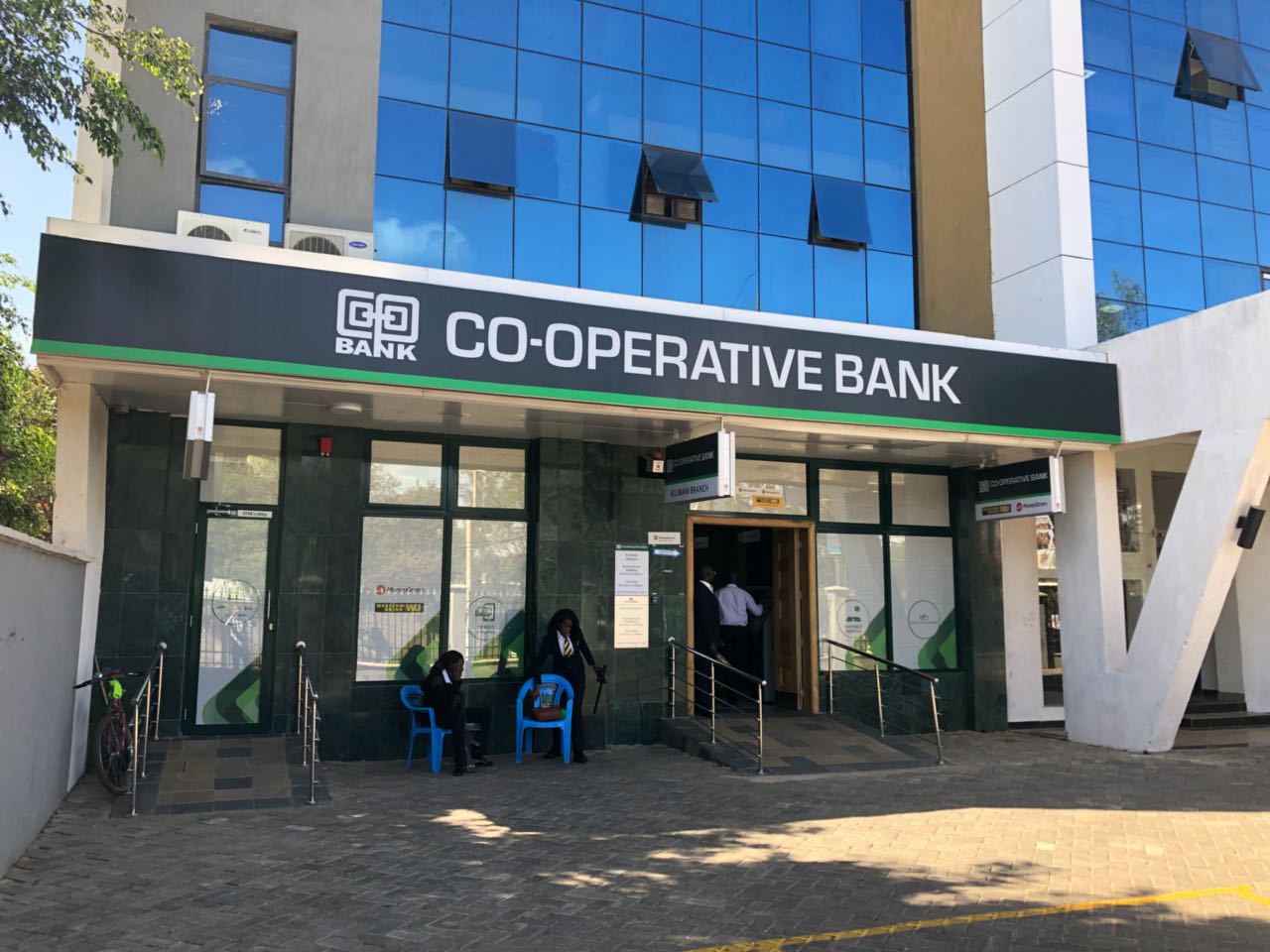
The dire situation prompted Co-op Bank to act swiftly since they believe in solving their customers’ problems and this is evidenced by their tagline which says ‘we are you.’

At this point, I’m sure you are wondering how to send and receive money from abroad through C0-operative Bank. Well, it’s very simple.
To send money through Western Union, visit the nearest Co-op Bank branch and fill a remittance form where you will indicate; the amount you wish to send, destination country, and the name of the person you are sending the money to.

You’ll then hand the form to the teller with the applicable funds (including transaction fee). If you wish, you can debit your Co-op Bank account.

The teller will process the transaction and give you a receipt and MTCN number. You’ll then contact the person that you were sending the money to and inform them that the transfer has been done and provide the MTCN number.

To receive money through Western Union, request the person who is sending you money to send you the MTCN number and visit the nearest Co-op Bank branch with your ID or passport.

You will then complete a remittance form and once verified you will receive your money. You can also receive the funds directly into your Co-op Bank account or to your mobile wallet if the sender indicated so when sending the money.

There you go, who knew that sending and receiving money from abroad can be this easy? Well, now you know!


Back to school! 4 clever ways to avoid long banking hall queues while paying fees

The festive season is almost coming to an end and during this time parents begin to think about how their children will resume their studies in the various schools that they are studying in.

One of the things that worry parents most is how they will pay their children’s school fees since most banking halls usually have long queues and you might have to wait for hours to access the teller.

While waiting in the line, you can get really frustrated and sometimes some people decide to go back home so that they can come early the next day only to find a longer queue.

But this does not have to be the case because you can pay school fees at the comfort of your home and this is where Co-operative Bank comes in.

There are 4 different ways that you can use to pay your  fees and that is; the MCo-op Cash app, M-Pesa Pay Bill, Co-op PesaLink or at a Co-op Kwa Jirani agent.

To pay your fees  through the MCo-op Cash app follow these steps:

  • Log in to MCo-op Cash
  • Select Other Payments
  • Select School Fees
  • Enter school code/business number; click here to confirm your school’s coordinates
  • Enter account to pay from
  • Enter student number
  • Confirm transaction
  • Receive SMS confirming that the transaction was successful

(You can also dial #667 on your phone and follow the same steps)

To pay your fees through M-Pesa PayBill follow these steps:

  • Go to Lipa na M-Pesa (PayBill)
  • Enter Business Code 400222
  • Enter Account Number as School Code followed by # followed by the student number, for example, 1059#123456789
    (NB: Click here to confirm your school’s coordinates)
  • Enter amount
  • Enter M-Pesa PIN
  • Confirm transaction
  • Receive SMS confirming that the transaction was successful

To pay your fees through a Co-op Kwa Jirani Agent, simply walk to the nearest one and give them the details of the student and name of the school and the money and you will get a receipt.

To pay your fees through Co-op Internet Banking (Co-opNet) follow these steps:

  • Log in to Co-op Internet Banking
  • Select ‘Bank Transfer’
  • Enter the required details for the school’s account
  • Confirm the transfer
  • Print out your receipt once the payment goes through

For more information, you can visit C0-op Bank’s website and ask them any questions that you may have through their Twitter. #WeAreYou