No Ebola-Free Certificate Required For Uganda Departures, Health Ministry Clarifies

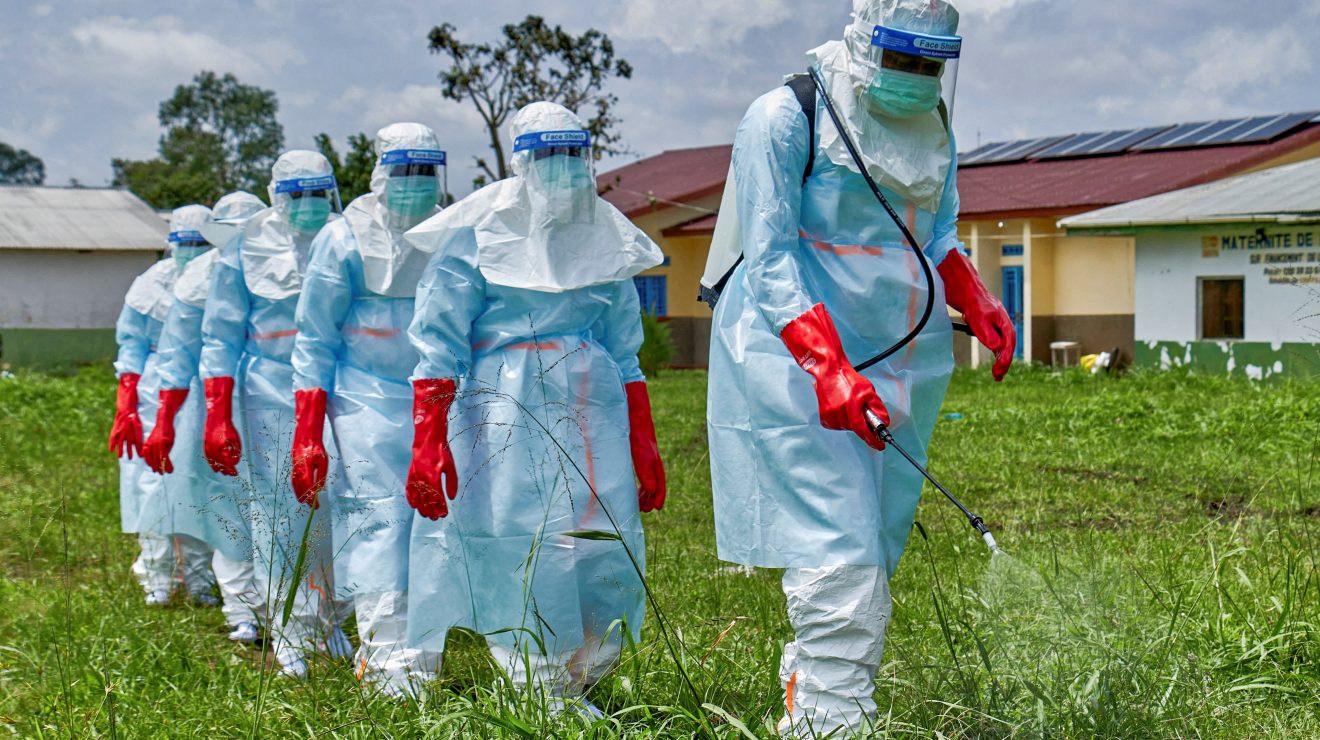
The Ministry of Health has issued a firm clarification to the public and international transit agencies, stating that travelers departing from Uganda do not require an “Ebola-Free Certificate” for international travel, employment placement, or foreign visa applications.

In a formal statement released on Monday, June 15, 2026, the ministry moved to aggressively dismantle growing public anxiety and viral misinformation circulating across digital platforms regarding travel restrictions tied to the active regional Ebola situation.

Clarifying the Travel Protocols

The health registry explicitly emphasized that no such medical certification is recognized, generated, or issued as part of the country’s containment protocols.

“Travellers departing from Uganda do not require an Ebola-Free Certificate and such certificates are not a requirement for visa applications to any country,” the Ministry of Health stated, aiming to ease the bureaucratic hurdles faced by cross-border commuters.

Strict Guidelines: Testing is Not Routine

Addressing how laboratory diagnostics are deployed, the ministry clarified that Ebola testing is not a routine administrative box to be checked at points of exit. Instead, medical testing remains tightly ring-fenced under strict clinical and epidemiological conditions.

The state noted that testing resources are strictly reserved for individuals who display actual symptoms consistent with Ebola Virus Disease (EVD) or those explicitly red-flagged as direct contacts of confirmed cases by frontline surveillance teams.

By keeping testing bound to clinical necessity rather than transit paperwork, health authorities aim to keep international trade corridors moving smoothly while focusing medical resources squarely on active containment.

U.S. Troops Arrive At Laikipia Air Base For Sh1.7 Billion Ebola Facility Despite High Court Freeze

The United States government has dispatched military personnel to Kenya to facilitate the construction and operationalization of a controversial Sh1.7 billion Ebola quarantine facility at the Laikipia Air Base, openly bypassing an active High Court order that temporarily halted the project.

The deployment, which was officially confirmed by the U.S. State Department to military news outlet Stars and Stripes, injects fresh geopolitical tension into a high-stakes legal battle and mounting public domestic resistance.

AFRICOM Specialists Arrive En Masse

While the exact head count of the arriving troops remains classified, the pentagon confirmed that the personnel deployed under the United States Africa Command (AFRICOM) comprise a highly specialized contingent:

  • Engineering & Logistics: Tasked with structural development and rapid-response operations.

  • Medical & Communications: To oversee triage networks and command infrastructure.

  • Security & Contract Planning: To manage the perimeter and institutional timelines.

The physical arrival of these specialists has raised serious constitutional questions, given that the High Court of Kenya recently issued strict conservatory orders suspending all physical construction and operational planning for the 50-bed temporary isolation facility.

Secrecy and the Battle of Public Participation

The legal gridlock was triggered after the prominent civil society group, Katiba Institute, filed a public interest petition challenging the bilateral defense agreement signed between Nairobi and Washington. The institute argued that the multimillion-dollar project was shrouded in extreme secrecy, lacked parliamentary oversight, and entirely bypassed mandatory constitutional requirements for public participation.

According to the bilateral brief, the center is designed to triage, isolate, and monitor American citizens—including high-level aid workers, diplomatic staff, and military officials—who may be exposed to deadly hemorrhagic fever outbreaks across East and Central Africa.

The strategic base is directly linked to containment efforts targeting the ongoing Ebola epidemics in the Democratic Republic of Congo (DRC) and Uganda, which have already claimed at least 139 lives. Under the framework, AFRICOM will strictly handle rapid-response logistics, while clinical staffing will be managed entirely by the civilian U.S. Public Health Service Commissioned Corps.

Duale Defends Base Logistics Amid Public Outrage

The establishment of a foreign bio-surveillance facility on Kenyan soil has triggered intense public outrage and protests from local civil society groups, who question the environmental risks to Laikipia County and the sovereign terms of the negotiation.

Defending the state’s position, Health Cabinet Secretary Aden Duale maintained that the facility is highly beneficial to Kenya’s national security, arguing it would serve to protect Kenyan soldiers currently deployed on peacekeeping missions in the DRC alongside American troops.

However, acknowledging the looming constitutional showdown, CS Duale confirmed on Friday that physical work at the air base had been paused out of respect for judicial independence, even as the executive branch aggressively maintains its support for the project.

“AFRICOM is not involved in other activities regarding Ebola; however, the command remains postured to support tasking if and when directed,” the State Department stated, signaling that the incoming troops will remain embedded at the base despite the legal standstill.

The highly anticipated case is scheduled to come up for a crucial mention before the High Court tomorrow, Tuesday, June 16, 2026, where the state will be required to explain the presence of foreign military personnel on a judicially frozen construction site.

US Praises Kenya’s Anti-Ebola Partnership Amid Deadly Protests Over Quarantine Facility

The United States government has commended Kenya for its strategic role in containing the regional spread of the Ebola virus, a move that comes amid escalating domestic fury and legal battles over a controversial, US-backed isolation facility in Laikipia County.

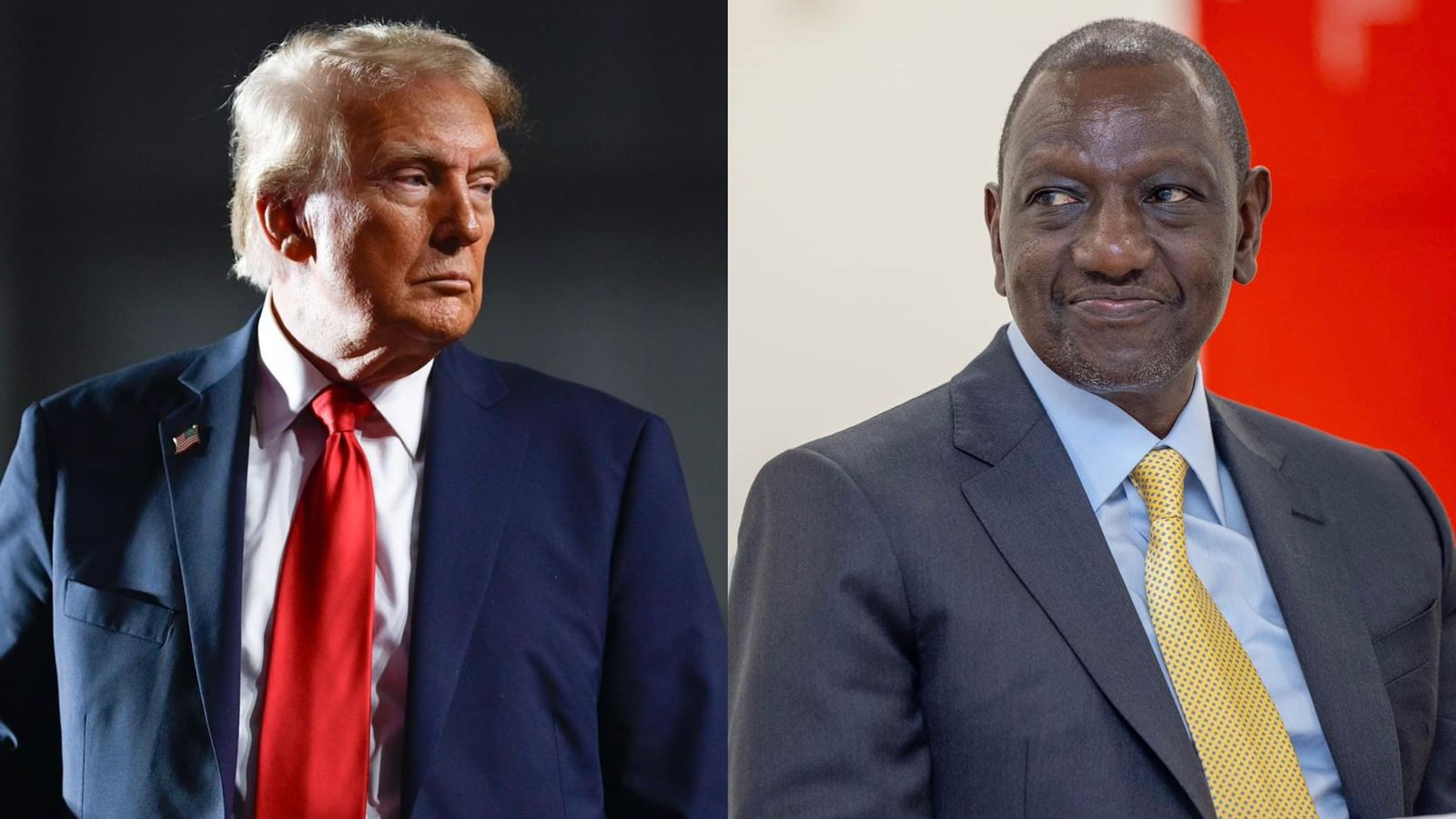
The diplomatic endorsement followed a high-level bilateral meeting between President William Ruto and Massad Boulos, the US Senior Advisor for Arab and African Affairs, on Tuesday, June 9, 2026, on the sidelines of an official visit to Oslo, Norway.

Washington Pledges Billions to Regional Epidemic Response

In a diplomatic dispatch issued after the deliberations, Boulos extended Washington’s gratitude to President Ruto for Kenya’s long-standing compliance and alignment with global healthcare security directives.

“We discussed U.S.-Kenyan cooperation to respond to Ebola, and I thanked President Ruto for his steadfast partnership,” Boulos stated. “Both of our nations have vital roles to play in fighting this outbreak and protecting our populations.”

The senior advisor revealed that the Trump administration has injected over Ksh 25.8 billion ($200 million) in direct funding to bolster Kenya’s immediate epidemiological response infrastructure.

This funding sits alongside a broader Ksh 45.2 billion ($350 million) package directed toward emergency containment and humanitarian intervention in the Democratic Republic of Congo (DRC), South Sudan, and Uganda, managed under a massive Ksh 232 billion ($1.8 billion) global allocation to the United Nations Office for the Coordination of Humanitarian Affairs (OCHA).

One Dead, Dozens Arrested in Nanyuki Protests

The international praise stands in stark contrast to the volatile security situation unfolding back home in Laikipia County. Hours before the Oslo meeting commenced, mass protests paralyzed Nanyuki Town as residents vehemently demonstrated against the establishment of the Trump administration-backed Ebola quarantine unit.

The demonstration turned tragic when police clashes left one protester dead, while over 50 others were arrested and booked for civil disruption.

Locals have raised alarm over structural biosecurity risks, questioning why an infectious disease isolation zone is being set up in close proximity to major residential areas and agricultural supply chains.

A Constitutional Standoff: Executive Defiance of Court Orders

The ongoing construction has catalyzed a significant constitutional and sovereignty debate within Kenya’s legal circles. The High Court had previously issued explicit conservatory orders halting the project pending a full inter-partes hearing on public participation and environmental safety.

Despite the judicial freeze, ground reports indicate that contractors—under the protection of state security forces—have ignored the court order and commenced construction. The executive’s decision to bypass the judiciary to satisfy international diplomatic agreements has drawn sharp criticism from legal scholars and human rights advocates, who warn of a dangerous precedent regarding the erosion of judicial independence and the rule of law.

Regional Security: Geopolitical Maneuvering in the Sudan Conflict

Beyond healthcare security, the diplomatic engagement between President Ruto and the US envoy delved into pressing regional peace initiatives, specifically focusing on the protracted civil war in Sudan.

Both delegations underscored the absolute urgency of securing a verified humanitarian truce to alleviate the refugee crisis, to be followed by a structured, permanent ceasefire.

“We also covered the critical importance of achieving a humanitarian truce in Sudan, followed by a permanent ceasefire,” Boulos noted, adding a stern warning to regional powers. “We emphasized that external actors must cease fueling the conflict through military support to the warring parties.”

Germany Injects Millions To Kenya In Fight Against Ebola

The German Development Bank (KfW) has committed an emergency financial injection of Ksh150 million (€1 million) to strengthen East Africa’s border surveillance and diagnostic infrastructure, with Kenya positioned as a primary beneficiary.

The East African Community (EAC) Secretariat confirmed the funding allocation, revealing that the capital will be immediately deployed to fast-track the activation of mobile laboratories, procure diagnostic reagents, and train technical laboratory personnel across the regional bloc.

The funding agreement was finalized following the 8th Extraordinary Meeting of EAC Ministers of Health, a virtual summit convened to establish a unified containment strategy as cross-border transmission risks rise.

Over 240 Dead as Regional Caseload Climbs

The financial intervention follows health statistics indicating that the hemorrhagic fever is moving along regional trade and transit corridors.

The regional epidemiological breakdown highlights the scale of the health challenge:

  • Democratic Republic of Congo (DRC): The epicenter has recorded 121 confirmed cases and 1,077 suspected cases, with the death toll among suspected patients reaching 246.

  • Uganda: Border surveillance remains on high alert after authorities confirmed 11 cases and one official fatality, raising fears of wider transmission into neighboring territories.

To intercept the pathogen at high-traffic border crossings, 10 German-funded mobile laboratories are currently operational across Kenya, Uganda, the DRC, Rwanda, Burundi, South Sudan, and Tanzania. These high-tech units receive ongoing technical backing from the Bernhard Nocht Institute for Tropical Medicine.

EAC Ministers have further directed the Secretariat to expedite the procurement and deployment of additional containerized laboratories to address remaining diagnostic gaps across the region.

Inside Kenya’s 23 Isolation and Testing Hubs

In response to the regional alert, President William Ruto confirmed that Kenya has operationalized 23 specialized Ebola preparedness and isolation centers distributed across strategic transit counties.

The primary containment network includes major health facilities such as:

  • Urban Hubs: Kenyatta National Hospital (KNH) branches in Nairobi and Thika.

  • Transit Corridors: Moi Teaching and Referral Hospital (MTRH) in Eldoret.

  • Border Gateways: Alupe Sub-County Hospital in Busia.

While these 23 centers are designated for physical screening, quarantine, and initial patient management, actual blood work and diagnostic verification are handled separately by secure Biosafety Level 3 laboratories managed by the Kenya Medical Research Institute (KEMRI) and the National Public Health Laboratory.

The Laikipia Quarantine Controversy

The regional support package arrives amid internal political debate regarding Kenya’s role in international health security. The administration is navigating legal challenges and local protests in Nanyuki over a proposed 50-bed, U.S.-backed isolation unit inside the Laikipia Air Base, designated to host American medical personnel exposed to Ebola.

Despite an active High Court injunction and public resistance, President Ruto has defended the international partnership, asserting that the Laikipia facility is an integral component of Kenya’s broader pandemic preparedness framework and that international medical alliances remain vital to managing highly contagious regional health threats.

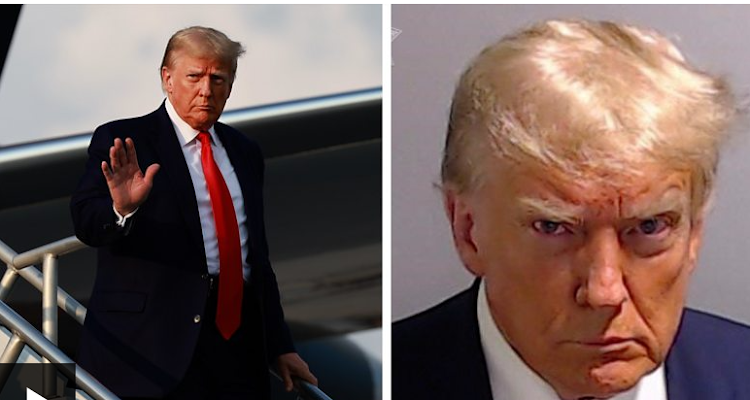
US President Donald Trump Sends Message To Laikipia Residents Amid Ebola Scare

The United States government has broken its silence over the volatile biosecurity crisis in Laikipia, issuing an emergency diplomatic assurance to Kenyans that its military-backed Ebola bio-isolation facility poses absolutely no public health threat to local residents.

In an official diplomatic brief released by the U.S. Embassy in Nairobi on Wednesday, June 3, 2026, President Donald Trump’s administration aggressively defended the infrastructure project at the Laikipia Air Base. The statement frames the facility as a vital regional asset designed to absorb epidemiological shocks rather than a biological hazard.

Washington Assures Fearing Residents of Strict Containment

The U.S. Embassy sought to de-escalate massive public panic and conspiracy theories surrounding the containment protocols of the facility, which is designated to isolate American personnel exposed to the lethal Bundibugyo Ebola virus strain in neighboring Democratic Republic of Congo (DRC).

“The bio-isolation facility in Laikipia is part of a holistic response to prevent the spread of the disease and lessen health risks for the region as a whole; it does not pose a risk to nearby communities,” the U.S. Embassy’s press release maintained.

According to the Trump administration, building high-tech regional capacity to isolate and test asymptomatic individuals will actually cushion Kenya’s domestic healthcare system. The embassy argued that the facility ensures American patients will not drain or overwhelm Kenya’s existing clinical resources, preserving local doctors and hospitals to assist Kenyan citizens exclusively.

Beyond the brick-and-mortar facility in Laikipia, Washington revealed it is actively collaborating with Afya House to strengthen border checkpoints, expand diagnostic lab capabilities, and improve real-time disease surveillance across Kenya’s 25 newly mapped high-risk counties.

A Ksh65 Billion Geopolitical Health Package

To counter allegations of exploiting Kenya as a “dumping ground” for lethal pathogens, the U.S. government detailed a massive financial offensive aimed at fighting the hemorrhagic fever across East and Central Africa:

  • Direct State Support: Direct U.S. State Department funding to combat the active outbreak has officially surpassed Ksh20 billion ($150 million) for containment and humanitarian operations.

  • UN Humanitarian Funding: Washington has injected an additional Ksh45 billion ($340 million) through United Nations humanitarian channels specifically targeting frontline response activities in the DRC, Uganda, and South Sudan.

The embassy framed the current standoff as an extension of a decades-long public health alliance between Washington and Nairobi, referencing historical collaborations in fighting HIV/AIDS and malaria.

Diplomatic Damage Control After Fatal Protests

The Trump administration’s rapid diplomatic intervention comes just 48 hours after a volatile Madaraka Day march ended in bloodshed on the streets of Nanyuki.

On Monday, June 1, hundreds of angry residents and activists marched toward the Laikipia Air Base, waving placards and tree branches to protest the facility’s proximity to dense urban estates. The demonstration deteriorated into a violent, two-hour standoff when protesters tried to breach the military installation, prompting security forces to open fire—an incident that left two demonstrators dead and several others seriously injured.

While local organizers under Patrick Wahome have issued a hard deadline of June 9 for the complete closure of the site, and the High Court maintains a strict injunction freezing the project, the U.S. Embassy’s firm defense signals that Washington has no immediate intention of dismantling its strategic epidemiological outpost in East Africa.

Kalonzo’s Party Demands Full Disclosure On Secret Ebola Deals, Rejects Finance Bill 2026

The opposition coalition, United Alternative Government (UAG), has launched a multi-front political offensive against the Kenya Kwanza administration, demanding the immediate public disclosure of all secret bilateral agreements regarding the country’s Ebola response.

In a scathing national address issued on Tuesday, June 2, 2026, the coalition—led by Wiper Party Leader Kalonzo Musyoka—accused President William Ruto’s government of institutional dishonesty, arrogance, and endangering national biosecurity through backroom deals with foreign entities.

Demanding Transparency on Biological Agreements

The UAG’s intervention comes amid escalating public fury and deadly street protests in Nanyuki over a United States-funded Ebola isolation facility at the Laikipia Air Base. The opposition argued that the recent bloodshed and widespread public anxiety are the direct consequences of an administration that thrives on administrative opacity.

“Instead of providing timely information, consulting stakeholders, and reassuring the public, this Ruto regime has chosen secrecy, half-truths, and arrogance,” the UAG statement read. “Trust is the currency of leadership, and transparency is the foundation upon which that trust is built. This regime has failed both tests.”

The coalition pointed out the glaring irony of the state’s healthcare priorities. They questioned how a regime that routinely fails to stock basic public hospitals with essential medicines or resolve healthcare worker strikes can suddenly demand blind public trust to manage one of the world’s deadliest Level 4 pathogens.

Finance Bill 2026: “Learnt Nothing, Forgotten Everything”

Turning its guns on the economy, the UAG officially rejected the proposed Finance Bill 2026 in its current form. The opposition warned the executive that pushing through another aggressive tax regime proves the Ruto administration has completely ignored the historic lessons of the June 25, 2024, Gen Z-led uprising that nearly overthrew the state.

The coalition accused the government of recycling a destructive fiscal playbook centered on punitive taxation and expanded borrowing while aggressively protecting state-sanctioned corruption, wasteful luxury travel, and inflated procurement cartels.

“A Government that has failed to curb corruption, eliminate waste, and deliver value for public expenditure has no moral authority to demand further sacrifices from citizens already struggling to make ends meet,” the opposition maintained. “Kenya does not suffer from a shortage of revenue. Kenya suffers from a shortage of accountability, specifically Ruto’s accountability.”

A Unified Front for the Ol Kalou By-Election

To back its legislative resistance with electoral muscle, the UAG announced a major strategic pact aimed at testing the ruling party’s popularity on the ground. The coalition confirmed it will field a single, jointly endorsed consensus candidate for the upcoming Ol Kalou parliamentary by-election.

By unifying the opposition vote under one banner in a critical regional contest, Kalonzo Musyoka’s faction aims to transform the local by-election into a national referendum on President Ruto’s handling of the economy, the ongoing boarding school safety crisis, and controversial foreign military health installations.

Nairobi Listed Among The High Risk Counties Of Ebola Virus As Border Screening Crosses 66,000 Travelers

The Ministry of Health has placed 25 counties on high-alert medical surveillance following severe Ebola virus outbreaks in neighboring Uganda and the Democratic Republic of Congo (DRC).

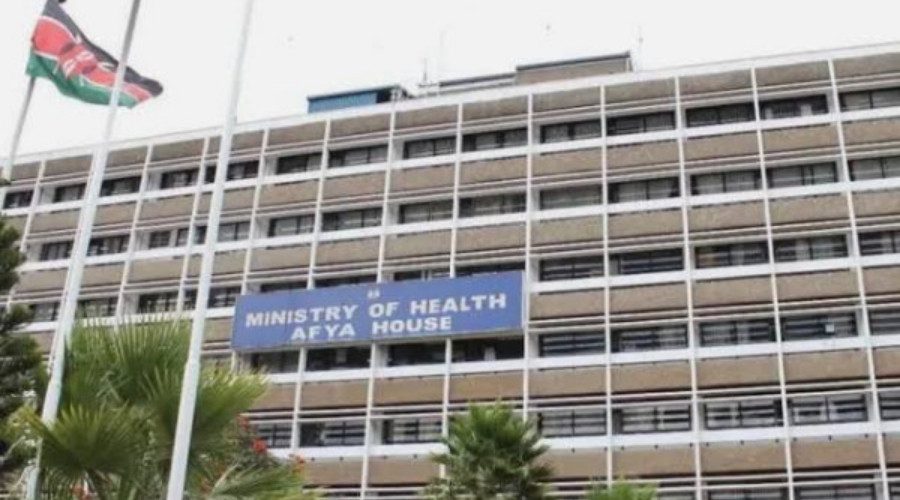
Speaking from Afya House during an emergency high-level preparedness convention on Wednesday, June 3, 2026, Public Health Principal Secretary Mary Muthoni sought to calm public jitters. She confirmed that while Kenya has zero confirmed cases of Ebola Virus Disease (EVD) within its borders, the state is aggressively scaling up its clinical diagnostic, isolation, and screening infrastructure.

Strict Health Passports Demanded at Border Points

The Ministry has instituted an aggressive border-control protocol, ordering that all travelers arriving from 10 designated red-list nations must present certified documentary evidence of negative exit screening from their country of origin before entering Kenya.

The border-control operation has expanded rapidly over the past week. Healthcare workers screened 13,548 travelers across all national gateways in a single 24-hour window between Tuesday and Wednesday, pushing the cumulative total of border health inspections past 66,000 inbound passengers. Out of 22 suspected viral samples collected and processed by health officials across various facilities, all have officially returned negative results.

“We have our laboratories that are ready for testing,” PS Muthoni stated, reassuring the public of Kenya’s capacity. “We have the National Public Health Laboratory, KEMRI Nairobi, and KEMRI Kisumu. We also have an active mobile laboratory operational in Busia.”

The 25 Red-Flagged Counties

The state has mapped out and categorized vulnerable regions based on transit corridors, major urban centers, and proximity to international borders:

Risk Category Mapped Counties
Very High-Risk Nairobi, Mombasa, Uasin Gishu, Busia, Kisumu, Bungoma, Trans Nzoia, Siaya, West Pokot, Turkana, Homa Bay, and Migori.
High-Risk Vihiga, Kakamega, Nakuru, Kericho, Nandi, Kiambu, Machakos, Kilifi, Makueni, Taita Taveta, Isiolo, Elgeyo Marakwet, and Garissa.

To manage a potential outbreak, the Ministry has placed a specialized surge team of 118 advanced healthcare workers on immediate standby. This is backed by an additionally trained corps of 160 frontline medical personnel and over 1,000 sensitized healthcare workers who have been thoroughly trained in the detection, handling, and case management of hemorrhagic fevers across the mapped counties.

Isolation at AAR Hospital

The Ministry’s aggressive public address comes amid heavy anxiety following reports that a Turkish national exhibiting symptoms consistent with hemorrhagic fever has been admitted under strict quarantine. The patient is currently under close medical observation at the AAR Hospital along Kiambu Road in Nairobi.

The Afya House briefing also comes at a time of severe political friction over epidemic readiness. The government is currently facing widespread public resistance, street protests in Nanyuki, and a strict High Court injunction blocking a separate, U.S.-funded Ebola quarantine project at the Laikipia Air Base.

Health officials maintain that the Ministry’s independent surveillance network is purely civilian and aimed entirely at preventing the highly infectious pathogen from infiltrating Kenya’s economic hubs.

Bloodshed In Nanyuki: Two Protesters Shot Dead Amid Standoff Over US Ebola Base

A volatile standoff over the state’s controversial biological defense deal with Washington turned fatal after at least two people were confirmed killed during mass protests in Nanyuki town on Madaraka Day.

The fatalities, which occurred on Monday, June 1, 2026, were formally confirmed on Tuesday morning by demonstration organizer Patrick Wahome and an independent military intelligence source. The deaths mark a dangerous escalation in the domestic crisis surrounding the United States-funded Ebola quarantine and treatment facility at the Laikipia Air Base.

Chaos on the Streets and Military Intervention

The demonstrations erupted at 7:00 AM on Monday, paralyzing Nanyuki as hundreds of residents, youth groups, and environmental activists marched through the streets waving placards, chanting anti-government slogans, and carrying tree branches.

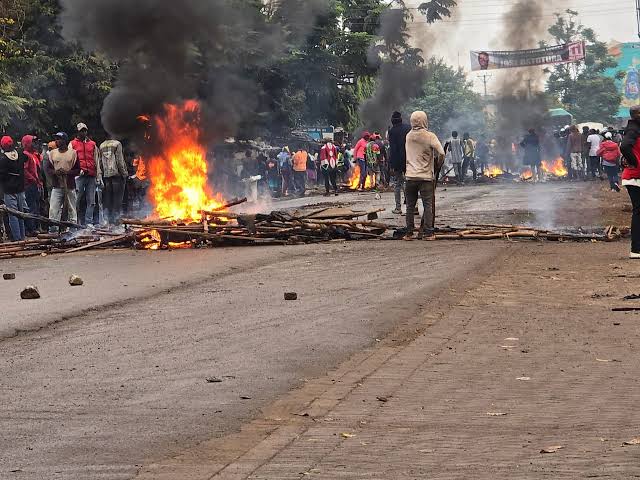
The situation turned violent when the marchers advanced toward the high-security military installation, demanding the immediate evacuation of the site. Protesters erected burning barricades across major transit roads, sending thick plumes of black smoke over the town.

When the crowd attempted to breach the outer perimeter of the Laikipia Air Base, heavily armed military personnel were deployed to reinforce the gates, resulting in a tense, two-hour standoff. While eyewitness accounts and digital video footage captured security forces firing live ammunition into the air and teargas into the crowds, the National Police Service (NPS) has maintained a tight-lipped silence, failing to issue an official statement on the exact circumstances of the two deaths.

To regain control, a combined force of military and regular police units launched a sweeping operations sweep through the Likii area at 7:00 PM, forcibly clearing the streets and escorting residents back to their homes under a localized lockdown.

June 9 Ultimatum Issued to the State

Organizers of the demonstration have refused to back down despite the lethal use of force, issuing a rigid deadline to the executive branch.

“We are demanding the complete and unconditional closure of that facility by June 9, 2026,” protest organizer Patrick Wahome declared. “We will not allow our town to become a dumping ground for lethal pathogens just to please a foreign superpower.”

Local anxieties have been exacerbated by revelations that the United States has already deployed a specialized biological response team to Kenya. The American unit is tasked with managing the logistics, monitoring, and clinical quarantine of U.S. citizens exposed to the lethal Bundibugyo Ebola strain while operating in the war-torn Democratic Republic of Congo (DRC).

Judicial Intercession and Presidential Defiance

The bloodshed on the ground coincides with an intensifying institutional battle between the judiciary and the executive:

  • The High Court’s Freeze: The High Court in Nairobi has extended its emergency conservatory orders, completely freezing the bilateral agreement and barring the transfer of any Ebola patients into Kenya, pending a full constitutional hearing of the petition filed by the Katiba Institute.

  • The President’s Defense: Conversely, President William Ruto has dug in his heels, publicly defending the deal as a “mutual agreement between friends.” The Head of State insisted that the Laikipia facility is merely one of 23 national isolation centers aimed at boosting Kenya’s epidemic readiness, dismissing the local protests and judicial resistance as reckless political theater.

With the High Court scheduled to hear inter-partes arguments later this week, the deaths of the two protesters have turned Nanyuki into a political powder keg, pitting local biosecurity fears against the state’s multi-billion shilling diplomatic obligations to the Trump administration.

The Policy Trail Behind Kenya’s Proposed Ebola Facility

The court battle over a proposed Ebola quarantine and research facility in Laikipia is not just about one project.

It has opened a wider conversation about a series of agreements signed between Kenya and the United States over the last decade – and whether Kenyans fully understood their implications.

Last week, the High Court temporarily halted plans to establish an Ebola-related facility in Nanyuki following a petition filed by the Katiba Institute.

The ruling has brought renewed scrutiny to health cooperation agreements signed by the two countries since 2015.

The Agreement

The story begins in July 2015, when Kenya and the United States signed a biosecurity agreement aimed at supporting research, surveillance and preparedness against diseases classified as biological threats.

The agreement was signed by former Health Cabinet Secretary James Macharia and former US Ambassador Robert Godec before being ratified by Parliament in 2016.

In 2022, the agreement was extended for another seven years, pushing its expiry date to April 2029.

Among its provisions, the framework allowed for future health-related projects between the two countries and established mechanisms for research collaboration, technical support and disease preparedness.

Regional Health Hub

A major turning point came in December 2024 when Kenya launched a revised foreign policy that identified the country as a future “wellness, humanitarian and health emergencies medical hub.”

Under the policy, Kenya committed to strengthening its role in responding to regional and international health emergencies, including disease outbreaks and pandemics.

The policy positioned Kenya as a country capable of hosting advanced laboratories, supporting outbreak response operations and coordinating health interventions beyond its borders.

The 2025 Health Partnership

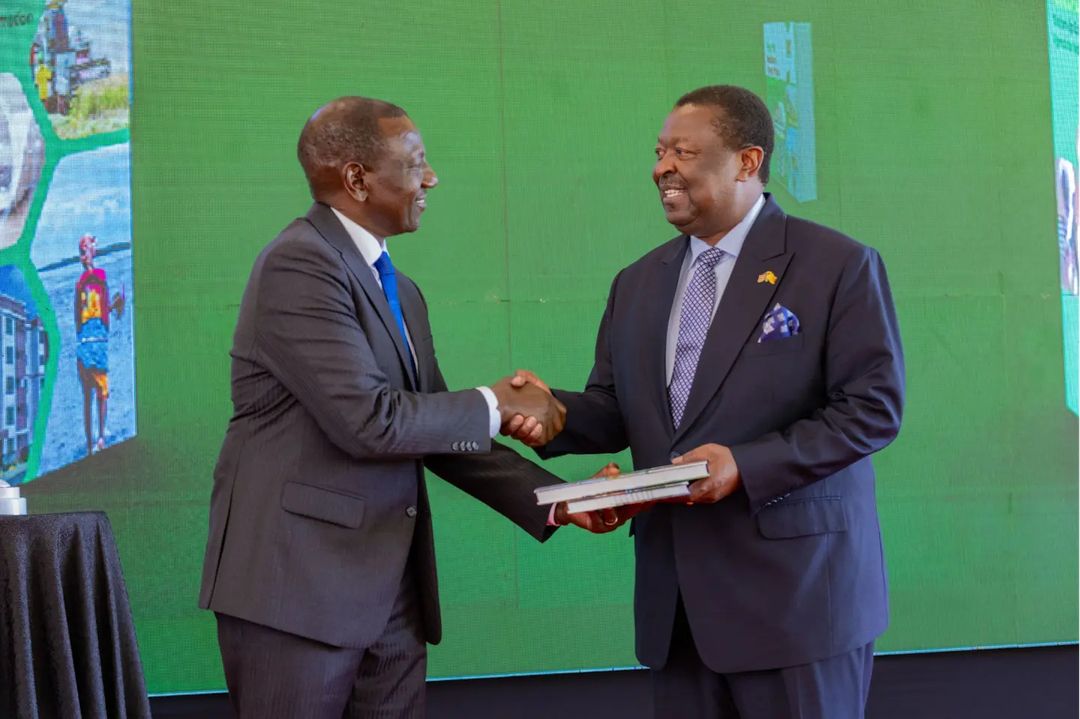
In December 2025, Prime Cabinet Secretary Musalia Mudavadi and US Secretary of State Marco Rubio signed the Kenya-US Health Cooperation Framework in Washington.

Under the agreement, the United States committed approximately $1.6 billion to Kenya’s health sector over five years, while Kenya pledged to increase domestic health investment by about $850 million during the same period.

The agreement elevated Kenya’s role as a key health cooperation partner in Africa and laid the groundwork for additional joint health initiatives.

The Ebola Facility Controversy

Supporters argue that facilities for disease surveillance, research and emergency preparedness are consistent with Kenya’s ambition to become a regional health hub.

Critics, however, contend that the public was not adequately informed about how existing agreements and policy commitments could translate into facilities handling high-risk diseases on Kenyan soil.

The debate has therefore shifted from the technical aspects of disease preparedness to broader questions about public participation, transparency and how major international agreements are communicated to citizens.

What happens next?

For now, the proposed facility remains suspended pending the outcome of the court case.

The legal proceedings are expected to determine whether the project complies with constitutional requirements, particularly on public participation and environmental oversight.

Beyond the courtroom, the case is likely to trigger a wider national discussion about Kenya’s growing role in global health diplomacy, emergency preparedness and international research partnerships.

In a Nutshell ….

At its heart, the controversy is less about Ebola and more about Kenya’s evolving position in global health.

Over the past decade, the country has steadily expanded its role in regional disease surveillance, emergency response and international health cooperation.

The question now being debated is not whether Kenya should participate in those efforts, but how such decisions are made, communicated and implemented when they directly affect local communities.

High Court Blocks US Plan To Base Ebola Quarantine Facility In Kenya

The High Court in Nairobi has temporarily blocked the government from establishing or operationalizing a controversial, United States-funded Ebola quarantine and treatment facility on Kenyan soil.

In a decisive late-night ruling on Thursday, May 28, 2026, High Court Judge Patricia Nyaundi issued sweeping conservatory orders freezing the bilateral agreement and strictly barring the entry, transfer, or reception of any foreign nationals exposed to or infected with the lethal virus. The judicial intervention lands a major blow to a fast-tracked White House plan to isolate exposed American citizens in Africa rather than flying them back to the United States.

A “Secretive and Unilateral” Containment Deal

The legal battle was triggered by governance and human rights watchdog Katiba Institute, which filed an urgent petition challenging the lack of transparency surrounding the multi-billion shilling biological defense deal.

The lawsuit followed formal announcements from senior Trump administration officials stating that a 50-bed tactical isolation facility—located at the Laikipia Air Base in Nanyuki—was structurally complete and ready to become operational. The U.S. State Department had pledged KSh 1.74 billion ($13.5 million) toward Kenya’s broader epidemic readiness, a deal cemented during a direct phone call between President William Ruto and U.S. Secretary of State Marco Rubio.

However, the Katiba Institute argued that the executive branch overstepped its constitutional mandate by turning the country into an “offshore containment colony” for a foreign superpower trying to insulate its own borders.

“The secretive, unilateral establishment of an Ebola quarantine facility raises grave constitutional concerns regarding the rights to life, health, fair administrative action, public participation, and parliamentary oversight,” the rights group stated in its submissions.

Kenya Lacks Level 4 Bio-Containment Capabilities

A central pillar of the legal challenge focused on Kenya’s severe infrastructure limitations regarding Level 4 pathogens. In the supporting affidavit sworn by Katiba Institute Executive Director Nora Mbagathi, the court was warned that Kenya’s current laboratory and medical networks are predominantly limited to Biosafety Level 1 (BSL-1) and BSL-2, with only a nominal number of BSL-3 facilities.

The petition emphasized that Kenya completely lacks the hyper-secure BSL-4 containment infrastructure mandatory for handling the highly infectious Bundibugyo Ebola strain, which currently has zero approved vaccines or clinical treatments.

Allowing potentially infected individuals into an unequipped domestic military base, the petitioner argued, posed an “imminent and catastrophic risk” to local health workers and the broader public under Articles 26 (Right to Life) and 43 (Right to Health) of the Constitution.

African Health Authorities and Unions Applaud Halt

The High Court’s injunction has been met with widespread relief from the domestic medical community and regional health bodies, who had fiercely condemned the executive’s agreement with Washington.

Dr. Davji Atellah, Secretary General of the Kenya Medical Practitioners, Pharmacists and Dentists Union (KMPDU), had previously issued a strike warning, declaring, “If it is too dangerous for America, it is too dangerous for Kenya.”

Internationally, Dr. Jean Kaseya, head of the Africa Centers for Disease Control and Prevention (Africa CDC), had also raised red flags, warning that forcing an international quarantine burden onto Kenya would severely fracture the nation’s fragile healthcare ecosystem.

Justice Nyaundi ruled that public interest heavily favored the preservation of constitutional accountability and national biosecurity over diplomatic expediency. The state, represented by the Attorney General and the Cabinet Secretary for Health, has been restrained from executing any facet of the foreign program until an inter-partes hearing takes place, which the court scheduled for June 2, 2026

President Ruto Appoints Mudavadi To Lead National Response Team On Incoming Ebola Patients

Facing a massive public backlash and legal threats over a secretive biological defense agreement with the United States, President William Ruto has ordered the immediate formation of a National Response Committee to oversee Kenya’s defensive protocols against the escalating regional Ebola outbreak.

In an executive directive issued on Thursday, May 28, 2026, the President appointed Prime Cabinet Secretary and Foreign Affairs CS Musalia Mudavadi to spearhead the multi-agency containment strategy as the deadly virus expands across Uganda and the Democratic Republic of Congo (DRC).

A Unified, Nationwide Mobilization

The new executive committee is tasked with breaking down bureaucratic silos to manage medical readiness, allocate emergency funds, and roll out aggressive public health campaigns.

“The Government will establish a National Response Committee under the leadership of the Prime Cabinet Secretary and Cabinet Secretary for Foreign and Diaspora Affairs to coordinate a whole-of-government and whole-of-society response, strengthen public awareness and preparedness, and mobilise the technical and financial resources necessary to address any eventualities arising from the Ebola outbreak,” President Ruto stated.

The announcement followed a high-stakes emergency summit at State House, Nairobi, where President Ruto hosted foreign ambassadors, global development partners, and multilateral health agencies to evaluate Kenya’s vulnerabilities.

The KSh 1.74 Billion US Deal Sparks Fury

The sudden formation of the response team is widely viewed by political analysts as an attempt to regain control of a narrative that has sparked widespread public panic. The political temperature spiked following revelations that Nairobi has quietly approved a United States-funded Ebola isolation and quarantine military installation at the Laikipia Air Base in Nanyuki.

The deal was finalized during a high-level phone conversation on Thursday between President Ruto and U.S. Secretary of State Marco Rubio, with Washington pledging KSh 1.74 billion ($13.4 million) to fund Kenya’s biological readiness.

However, the decision to host a quarantine base for Americans exposed to a lethal Level 4 pathogen on local soil has ignited fierce domestic resistance:

  • Medical Union Ultimatum: The Kenya Medical Practitioners, Pharmacists and Dentists Union (KMPDU) issued a strict 48-hour ultimatum to the Ministry of Health, demanding absolute transparency regarding the safety protocols of the Laikipia base and threatening a nationwide healthcare strike.

  • Constitutional Court Battle: Concurrently, prominent human rights and legal advocacy group Katiba Institute filed an urgent lawsuit in the High Court seeking a conservatory order to block the implementation of the U.S. military installation, citing severe biosafety risks and a total lack of public participation.

With the courts and medical unions locking horns with the executive, Mudavadi’s newly minted committee faces the dual challenge of protecting the country from a regional epidemic while defusing an explosive domestic diplomatic crisis.

“Why Kenya?” — Outrage From Kenyans Over Plans For US Ebola Bio-Containment Base In Laikipia

Widespread panic, confusion, and public fury have erupted across Kenya following explosive international reports that the United States government is moving to establish an emergency bio-containment and quarantine base on Kenyan soil to handle American citizens exposed to the deadly Ebola virus.

The disclosures, initially reported by major U.S. media outlets including The Wall Street Journal and The Washington Post, indicate that the Trump administration has already directed the U.S. military to build a makeshift 50-bed field hospital—expandable to 250 beds—within a week. Flight trackers have further fueled the public anxiety by picking up unusual, high-frequency flight movements around the Laikipia Air Base in central Kenya, signaling that logistical preparations might already be underway.

“Marooning Americans on African Soil”

The proposed military operation comes as U.S. Secretary of State Marco Rubio declared a strict domestic ban on the entry of any individuals infected with Ebola into the United States. Instead of flying exposed or infected American aid workers and missionaries back to the U.S. mainland for care, Washington intends to use Kenya as a regional extraction and isolation hub to manage the worsening Bundibugyo Ebola strain currently ravaging the Democratic Republic of Congo (DRC) and Uganda.

The announcement sparked immediate domestic pushback, with Kenyans questioning why their country should bear the biological risks of a foreign superpower’s containment strategy. Legal experts, human rights groups, and citizens took to social media to protest what many termed “biomedical imperialism.”

Prominent online critics expressed outrage that the U.S. would block its own citizens from returning home while simultaneously using a developing nation with limited top-tier healthcare infrastructure to isolate a Level 4 pathogen. This sentiment was echoed internationally by a former U.S. Centers for Disease Control (CDC) official, who told CBS News that it would be “unbelievably unethical and irresponsible to maroon Americans, given Kenya doesn’t have a proper Level 4 containment facility.”

Government Tight-Lipped as Secret Negotiations Exposed

Caught in the middle of a major diplomatic storm, the Kenyan government issued a carefully worded response, trying to calm public jitters without explicitly confirming or denying whether Nairobi had signed off on the military installation.

In a press statement, Health Cabinet Secretary Aden Duale emphasized that while Kenya values its long-standing health security partnership with the United States, national sovereignty and public safety remain absolute.

“Kenya welcomes cooperation with international partners to strengthen global health security,” CS Duale stated, adding a strict caveat that any arrangements must “strictly adhere to Kenyan law and established public health regulations, biosafety, and biosecurity standards.”

Nairobi Pushes Back with Demands

Despite the U.S. military already training public health officers at Joint Base Andrews in Maryland for immediate deployment to Kenya, highly placed diplomatic sources indicate that Nairobi has not yet fully acceded to Washington’s terms.

Insiders report that Kenyan negotiators are pushing back on several fronts:

  • Universal Access: Kenya demands that the proposed multi-million dollar isolation facility must serve all nationalities affected by the regional outbreak, rather than operating exclusively as an elite, segregated camp for U.S. passport holders.

  • Reciprocal Support: Nairobi is holding out for substantial, long-term American financial and technical assistance to upgrade local health facilities and border screening infrastructure.

As public outrage mounts and hashtags demanding transparency trend nationwide, the Ruto administration faces immense pressure to provide full disclosure on the true nature of the Laikipia military talks before foreign bio-containment tents are officially pitched on Kenyan soil.

US Military To Erect Ebola Quarantine Facility In Kenya For Exposed American Citizens

The United States Military is set to establish a high-security quarantine facility and field hospital in central Kenya within a week. The emergency infrastructure is designed to house and monitor American citizens exposed to the Ebola virus as a deadly outbreak continues to spread rapidly across neighboring Uganda and the Democratic Republic of Congo (DRC).

The directive follows an announcement from the Trump administration detailing a strategic plan to evacuate exposed U.S. personnel from the active outbreak zones directly to Kenyan soil rather than flying them back to the American mainland.

A Rapidly Deployable 50-Bed Tactical Hospital

According to discrete sources and reports initially published by the Washington Post, the joint operation is being fast-tracked through a coordinated effort involving the U.S. Departments of State, Defense, and Health and Human Services (HHS).

The initial phase of the plan involves deploying prefabricated medical units transported via military aircraft and trucks.

  • Initial Capacity: A 50-bed specialized isolation and treatment unit operational within seven days.

  • Scalability: Advanced logistics are in place to rapidly expand the facility up to a 250-bed capacity if the regional crisis escalates.

An administration official justified the choice of location by highlighting Kenya’s superior logistical positioning, which offers a safer, shorter flight path for extracting personnel out of the DRC without the operational risks associated with a lengthy transatlantic transfer to the United States.

The US Imposes Strict Entry Bans Amid Outbreak

The creation of the Kenyan transit hub aligns with an aggressive border-control directive issued by U.S. Secretary of State Marco Rubio on Wednesday, May 27, 2026. Rubio declared that no individual actively infected with Ebola—including American citizens—will be permitted entry into the United States, while simultaneously ordering heightened screening measures at all major domestic ports of entry.

The evacuation protocols follow several recent high-profile exposures. Currently, one American citizen has tested positive for Ebola within the DRC, while at least six others have been evacuated from the region. Additionally, one American physician is undergoing treatment in Germany, and six other nationals have been distributed between Germany and the Czech Republic for stringent medical monitoring.

Training Deficiencies Spark Internal US Military Concern

As logistics on the ground in central Kenya begin, members of the U.S. Public Health Service have already commenced specialized operational training at Joint Base Andrews in Maryland prior to their deployment to staff the Kenyan site.

However, the rapid deployment has triggered friction within the American defense ranks. Military officials have reportedly raised serious concerns regarding the safety of the mission, warning that the abbreviated three-day crash course provided to the deployment team is dangerously insufficient for handling one of the world’s most lethal hemorrhagic fevers.