Nyota Program Moves to the Money Phase as Over 12,000 Youth Get Start-Up Capital

The Nyota Program has outlived the application, verification and aptitude test levels.

In the past week, the program finally crossed into the moment the youth have been waiting for – actual business funding hitting real pockets.

On Friday, 7th November 2025, the Government officially launched the Nyota Project in Mumias Sports Complex, Kakamega.

This marks the beginning of nationwide disbursements under the Business Support Component.

Western region are the first major beneficiaries.

Western Region Youths Receive Ksh303M in Start-Up Capital

In Kakamega, Vihiga, Bungoma and Busia, 12,155 beneficiaries successfully completed their classroom business training – and immediately received their first tranche of funding.

A total of Ksh303,875,000 was disbursed through Nyota Pochi la Biashara – with each beneficiary getting Ksh22,000 (after deducting Ksh3,000 savings, as required by the program).

This isn’t token money.

It’s the capital meant to kickstart thousands of small hustles:

Agri-trading, salons and barber shops, cyber services, tailoring, welding, mitumba stalls, motorbike repair, food vending and other start ups.

For many, it’s the first real chance to turn an idea into income.

The Need for Savings in the Nyota Model

Each beneficiary automatically saves Ksh3,000  split into short-term and long-term savings.

The savings act as:

  • A shock absorber when business slows,
  • A security buffer for future financing, and
  • The beginning of a culture of financial discipline.
  • Positions beneficiaries for additional funding from mainstream financial institutions.

After the first trance of capital, a two-month mentorship marathon begins.

After the mentorship, applicants return for a three-day BDS (Business Development Services) classroom training, then receive their final tranche.
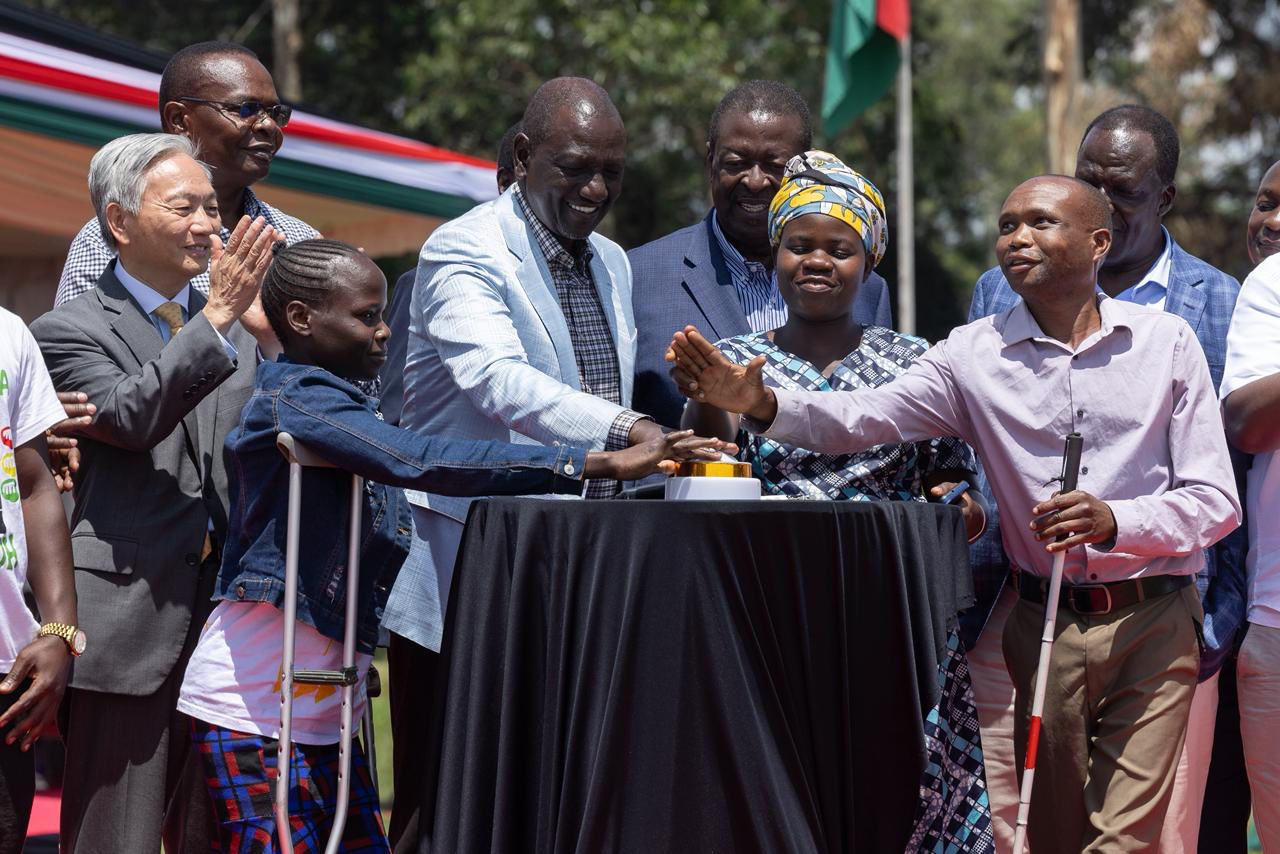
President William Ruto launches the first phase of the Nyota Program (Image: Files)

More Youth Begin Training Across 25 Counties

Starting Thursday, 14th November 2025, Nyota rolls out training simultaneously in 25 counties, covering 151 constituencies and 754 wards.

The counties include:

Kitui, Machakos, Makueni, Uasin Gishu, Turkana, West Pokot, Laikipia, Tharaka Nithi, Embu, Isiolo, Nakuru, Narok, Kajiado, Siaya, Kisumu, Homabay, Migori, Kisii, Nyamira, Kericho, Bomet…and more.

A total of 63,231 youth have already received SMS notifications confirming their selection and training venues.

Training will run for four days, and attendance of at least three days is mandatory to qualify for start-up capital.

Training for the remaining 18 counties – including Nairobi, Kiambu, Nyeri, Murang’a, Mombasa, Garissa, Samburu, and others – will start towards the end of next week.

Where are the Training Centres? 

To make training accessible:

  • 222 centres have been set up across the 151 constituencies.
  • Larger constituencies have multiple centres.
  • Beneficiaries must attend within their constituency but can choose the nearest centre.

Immediately after training, disbursements for this cluster will begin.

The Nyota Program is also targeting:

  • 5,000 refugees in Kakuma and Dadaab
  • 5,000 members of host communities

Their intake process is in the final stages, with training set to begin once lists are confirmed.

What’s the Target of the Nyota Program? 

Nyota Program’s ultimate target remains ambitious yet clear:

Empower 100,000 vulnerable youth across all 1,450 wards.

The support goes beyond capital – to mentorship, skills and financial resilience.

For young Kenyans who often rely on luck, relatives, or pure hustle to start a business, this structured model is a long-awaited opportunity.

It’s now in motion.
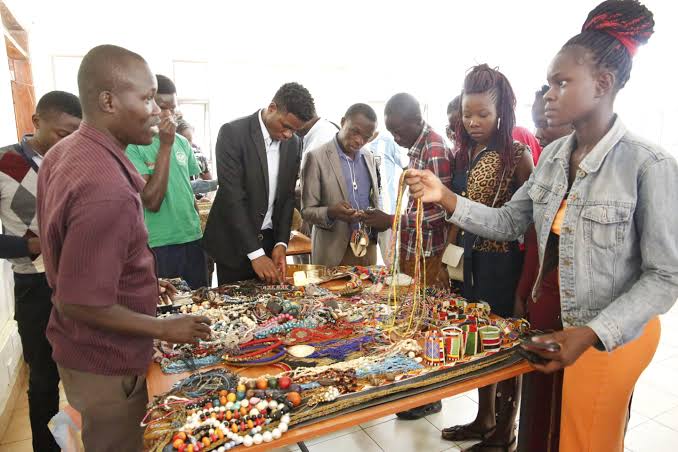
The Nyota Program: The Verification Stage is Here

NYOTA is a five-year project by the Government of Kenya and the World Bank aiming to touch 820,000 youth across all 1,450 wards.

It is built to help young Kenyans between 18 and 29 years (and up to 35 for persons with disabilities) get real chances at jobs, business capital, and certified skills.

The Three Arms of the Nyota Program

1. Skills & Certification (RPL)

Some people already have skills – masonry, tailoring, wiring, welding – but no papers to show it.

NYOTA will assess and certify those skills formally through Recognition of Prior Learning (RPL), helping 20,000 youth get recognized qualifications that improve employability.

2. On-Job Experience (OJE)

You don’t need to have “connections” to learn a trade anymore.

NYOTA links interested youth to industries, where they learn by doing – guided by master craftsmen and professionals.

Each participant receives a Ksh7,000 monthly stipend to cover transport and daily costs during attachment. The target here is 90,000 youth.

3. Business Support (Entrepreneurship)

For those with a business idea or small hustle, NYOTA offers structured training in business planning, financial literacy, and mentorship, followed by Ksh 50,000 start-up capital to kick things off.

Across Kenya, that means 100,000 new youth entrepreneurs – about 70 per ward.

And just to keep things responsible, beneficiaries save 12% of their grant or stipend to build a savings culture.

The Upcoming Verification Exercise – October 24, 2025

If you applied for NYOTA under the Business Support component, this is the part to watch closely.

The government will be verifying applications on October 24, 2025, in all 290 constituencies.

This aims to confirm that applicants are real, present, and eligible – not ghost names or double entries.

The exercise will check your:

  • Ward of residence
  • Education level (up to Form 4)
  • Employment status (you must be unemployed)
  • Gender and PWD inclusion
  • Completion of the Entrepreneurship Aptitude Test (EAT)

If you haven’t done the EAT yet, you can still take it during the verification.

Just text NYOTA to 40270 and follow the prompts – the SMS is free.

Only those who show up physically with their ID cards (and PWD card if applicable) will be validated. No repeats.

How does the Nyota Program Verification Work?

When you show up at your constituency’s verification center:

  • You’ll first register manually and present your ID for authentication.
  • Then, your details will be checked in the NYOTA electronic verification system.

If the system is down (due to network), manual verification will be done by the National Government Administrative Officer (NGAO) at your station.

  • You’ll confirm your details – ward, education level, and employment status.
  • Those who haven’t done the EAT will take it on-site before midday.

After the exercise, officials will analyze the data for three days and publish the list of successful beneficiaries – the ones heading to training and funding.

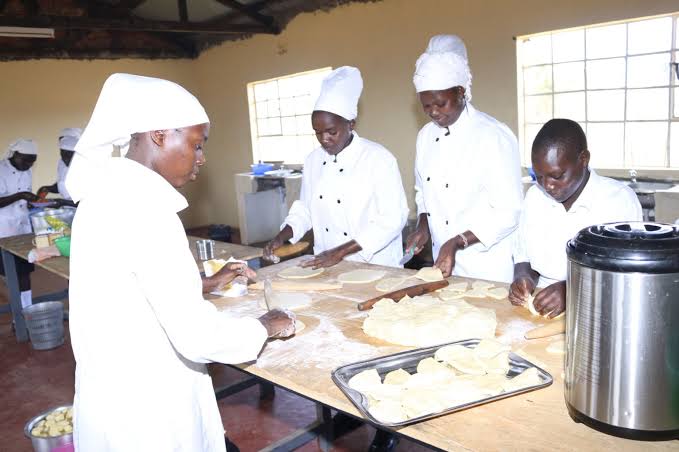
A youth group running a baking business in Nakuru City (Image: Files)

Who is In Charge of the Verification? 

The process will be led by Principal Secretaries from relevant ministries, supported by local elected leaders, NGAOs, and the NYOTA national team.

It’s a public exercise – meant to ensure transparency, fair targeting, and gender balance across all wards.

Out of the 804,125 applicants, only 100,000 youth will make it through the business support round – so showing up and verifying your details is key.

The Importance of Getting Verified

NYOTA is part of Kenya’s bigger plan to make the Bottom-Up Economic Transformation Agenda (BETA) more visible on the ground – through jobs, businesses, and self-reliance.

It’s the kind of initiative that doesn’t just promise opportunity; it verifies it.

For once, the list won’t be cooked up somewhere – it’ll be built in front of communities, one ID card at a time.

So if you’re one of the applicants, this is your moment.

Show up to get verified, then get started in the journey to self actualisation.

NYOTA Program is not about luck, its about rewarding effort and initiative.