Nyota Program Moves to the Money Phase as Over 12,000 Youth Get Start-Up Capital

The Nyota Program has outlived the application, verification and aptitude test levels.

In the past week, the program finally crossed into the moment the youth have been waiting for – actual business funding hitting real pockets.

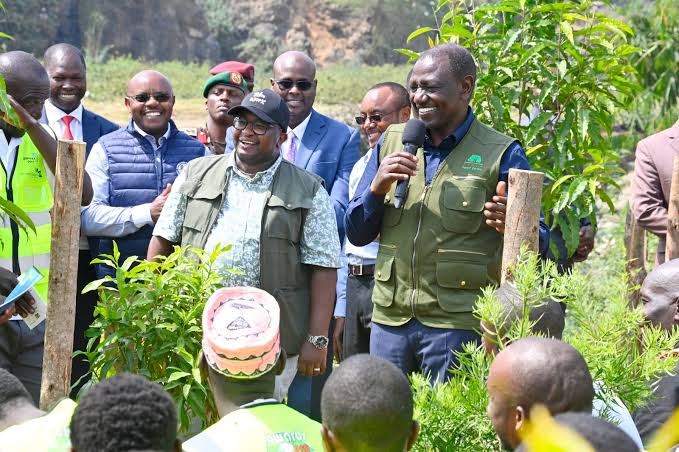
On Friday, 7th November 2025, the Government officially launched the Nyota Project in Mumias Sports Complex, Kakamega.

This marks the beginning of nationwide disbursements under the Business Support Component.

Western region are the first major beneficiaries.

Western Region Youths Receive Ksh303M in Start-Up Capital

In Kakamega, Vihiga, Bungoma and Busia, 12,155 beneficiaries successfully completed their classroom business training – and immediately received their first tranche of funding.

A total of Ksh303,875,000 was disbursed through Nyota Pochi la Biashara – with each beneficiary getting Ksh22,000 (after deducting Ksh3,000 savings, as required by the program).

This isn’t token money.

It’s the capital meant to kickstart thousands of small hustles:

Agri-trading, salons and barber shops, cyber services, tailoring, welding, mitumba stalls, motorbike repair, food vending and other start ups.

For many, it’s the first real chance to turn an idea into income.

The Need for Savings in the Nyota Model

Each beneficiary automatically saves Ksh3,000  split into short-term and long-term savings.

The savings act as:

  • A shock absorber when business slows,
  • A security buffer for future financing, and
  • The beginning of a culture of financial discipline.
  • Positions beneficiaries for additional funding from mainstream financial institutions.

After the first trance of capital, a two-month mentorship marathon begins.

After the mentorship, applicants return for a three-day BDS (Business Development Services) classroom training, then receive their final tranche.
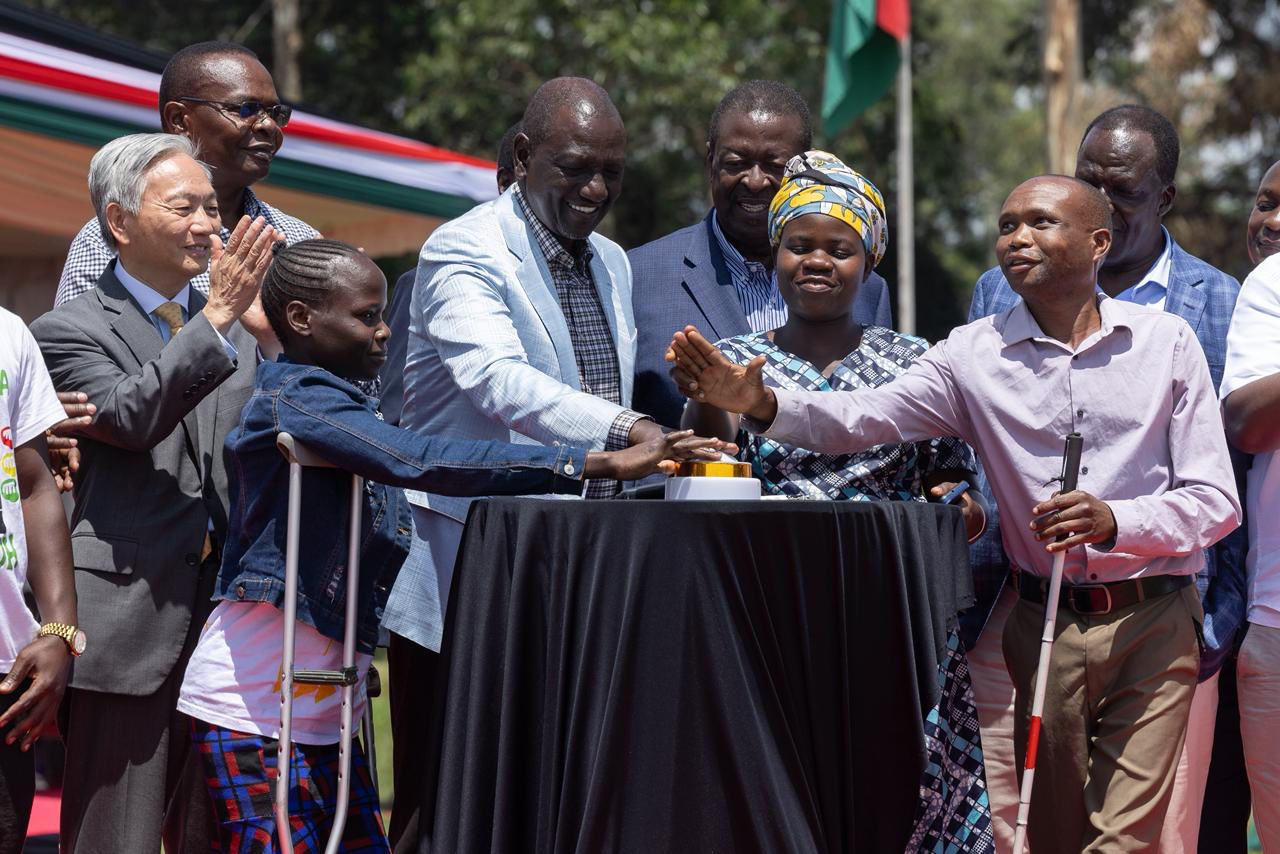
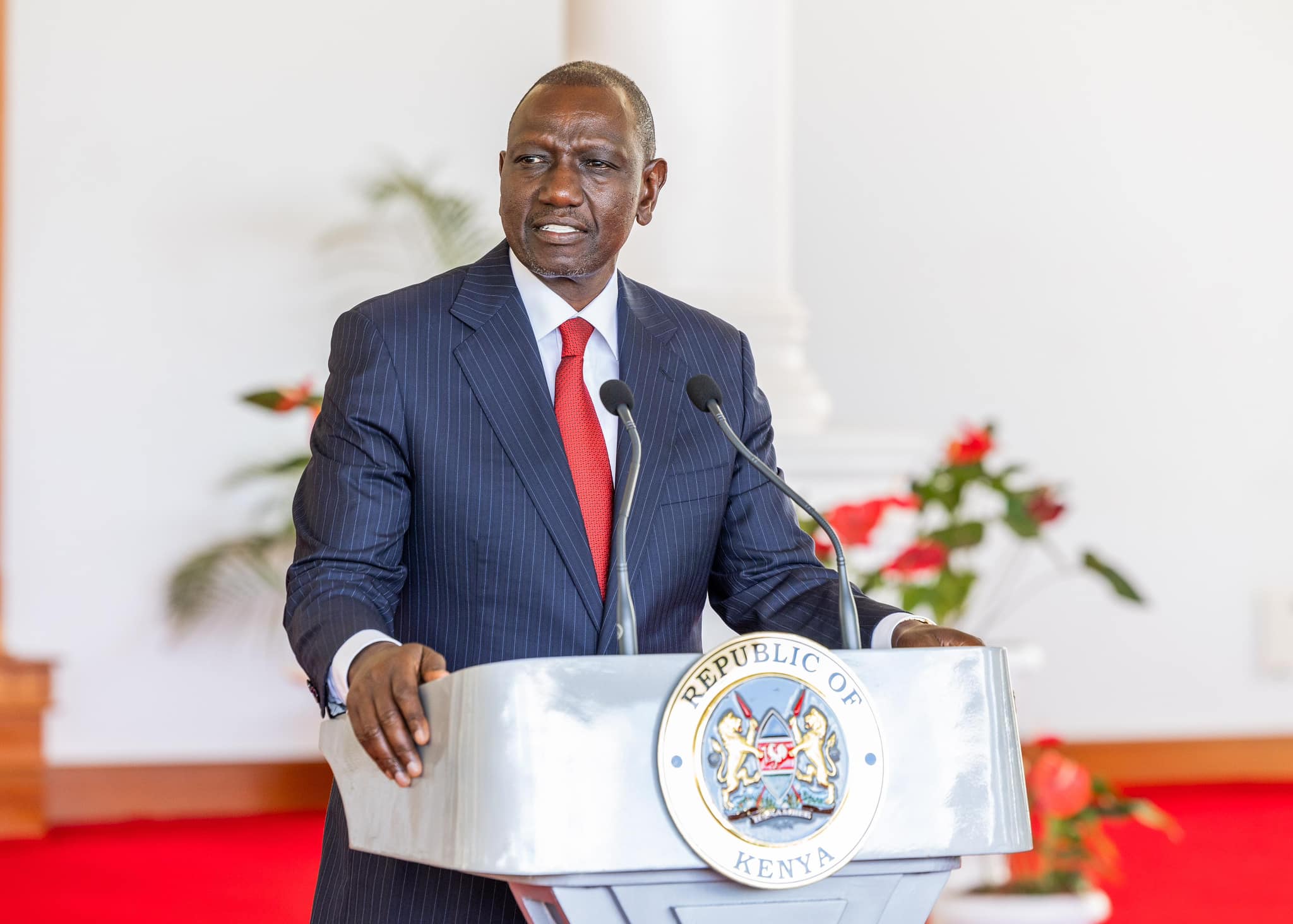
President William Ruto launches the first phase of the Nyota Program (Image: Files)

More Youth Begin Training Across 25 Counties

Starting Thursday, 14th November 2025, Nyota rolls out training simultaneously in 25 counties, covering 151 constituencies and 754 wards.

The counties include:

Kitui, Machakos, Makueni, Uasin Gishu, Turkana, West Pokot, Laikipia, Tharaka Nithi, Embu, Isiolo, Nakuru, Narok, Kajiado, Siaya, Kisumu, Homabay, Migori, Kisii, Nyamira, Kericho, Bomet…and more.

A total of 63,231 youth have already received SMS notifications confirming their selection and training venues.

Training will run for four days, and attendance of at least three days is mandatory to qualify for start-up capital.

Training for the remaining 18 counties – including Nairobi, Kiambu, Nyeri, Murang’a, Mombasa, Garissa, Samburu, and others – will start towards the end of next week.

Where are the Training Centres? 

To make training accessible:

  • 222 centres have been set up across the 151 constituencies.
  • Larger constituencies have multiple centres.
  • Beneficiaries must attend within their constituency but can choose the nearest centre.

Immediately after training, disbursements for this cluster will begin.

The Nyota Program is also targeting:

  • 5,000 refugees in Kakuma and Dadaab
  • 5,000 members of host communities

Their intake process is in the final stages, with training set to begin once lists are confirmed.

What’s the Target of the Nyota Program? 

Nyota Program’s ultimate target remains ambitious yet clear:

Empower 100,000 vulnerable youth across all 1,450 wards.

The support goes beyond capital – to mentorship, skills and financial resilience.

For young Kenyans who often rely on luck, relatives, or pure hustle to start a business, this structured model is a long-awaited opportunity.

It’s now in motion.
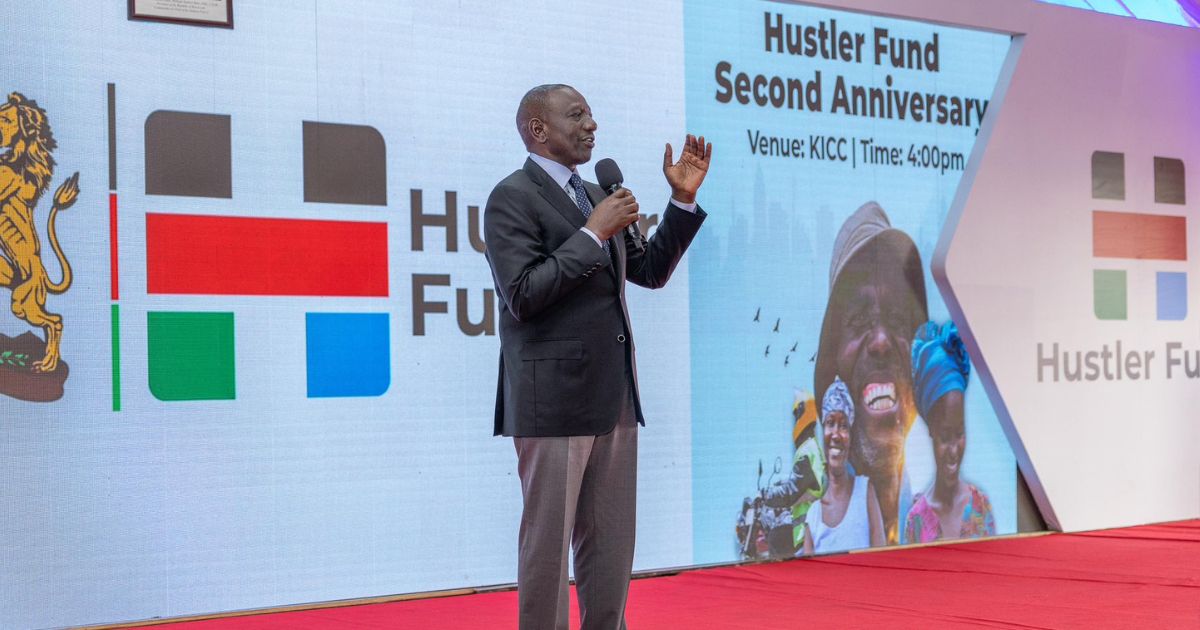
Hustler Fund in 2025: Accessibility, Impact and Stories of Change

When the Hustler Fund was launched in late 2022, it carried a significant impact in President Ruto’s development agenda.

Its main agenda was make affordable credit accessible to millions of Kenyans who had long been locked out of traditional financing.

Today, more than two years later, the fund is no longer just a campaign pledge – it has become one of the most widely used financial tools in the country.

Accessibility

One of the Hustler Fund’s strongest selling points is its simplicity.

With nothing more than a mobile phone, any Kenyan can access instant credit.

There is no need for guarantors, complicated forms, or collateral.

Through USSD codes and mobile apps, the Hustler Fund has democratized lending, ensuring that credit is not the privilege of a few but the right of every hustler looking for a fair shot at growth.

This ease of access is why over 23M Kenyans have already borrowed from the fund, according to government data.

For many, it represents their first encounter with formal credit.

The Impact

The numbers tell a compelling story.

By 2025, the Hustler Fund had disbursed over Ksh50B, with repayment rates consistently improving as borrowers build trust and credit history.

More than 7M Kenyans have become repeat borrowers, using the fund not just for emergencies but as a steppingstone for small business growth.

Micro-traders in open-air markets, boda boda riders, and small-scale farmers remain the backbone of the program.

With loan limits gradually increasing for consistent repayment, beneficiaries are able to scale up – buying extra stock, upgrading equipment, or covering school fees without falling prey to predatory lending.

The Stories of Change

Take the example of Grace, a vegetable vendor in Kisumu.

Before the Hustler Fund, she relied on shylocks who charged exorbitant rates.

Today, she takes small loans directly from her phone, restocks her stall, and repays within weeks.

“I no longer fear debt collectors,” she says. “The Hustler Fund treats me with dignity.”

Or, consider Daniel, a Boda Boda rider in Kitengela.

With a steady borrowing history, his loan limit has doubled since 2023.

He recently used the proceeds to service his motorcycle and invest in a side hustle selling phone accessories.

The money is small, but it gives me a push. That’s how we survive and grow,” he explains.

These are the stories that show the Hustler Fund is not just about shillings and statistics.

It’s about dignity, opportunity, and empowerment.

A Savings and Repayment Culture 

An often-overlooked element of the Hustler Fund is how it integrates savings.

Every borrower automatically contributes a portion of their loan into a savings account, building a financial cushion for the future.

For a country where savings rates have historically been low, this feature is quietly reshaping financial culture from the ground up.

Moreover, the fund has introduced credit scoring for informal sector players.

This is helping build the foundation for future access to bigger financial products such as SME loans, insurance, and mortgages.

The Future of Hustler Fund

As the government continues to review and strengthen the program, the Hustler Fund is expanding to include group loans, co-operative lending, and partnerships with Saccos.

This means that even community-based initiatives can tap into affordable financing.

The larger vision, as articulated by President William Ruto, is to integrate hustlers into the formal economy – giving them tools, credit histories, and the financial muscle to compete fairly.

In just three years, the Hustler Fund has proven that financial inclusion is not an abstract dream.

It is here, it is digital, and it is transforming lives every day.

Climate Worx: How Green Jobs Are Empowering the Youth

Youth unemployment has long been one of Kenya’s most pressing challenges.

At the same time, the country has faced the realities of climate change – from unpredictable rainfall and droughts to environmental degradation.

Climate Worx, an ambitious initiative launched under President William Ruto’s administration, sits at the intersection of these two issues.

It is designed not only to fight climate change but also to create thousands of meaningful green jobs for young Kenyans.

What’s New with Climate Worx? 

Unlike traditional job creation programmes, Climate Worx is built around sustainability.

The programme mobilises young people across counties to take part in activities such as tree planting, reforestation, renewable energy projects, waste management, and climate-smart agriculture.

This means that while addressing unemployment, the country is also safeguarding its ecosystems and meeting its global climate commitments.

Kenyan youth, in this case, are not just passive beneficiaries, but active drivers of the transition to a green economy.

President Ruto interacts with residents during a Kazi Mtaani activation drive in Nairobi (Image: File)

What’s the Real Impact? 

Since its rollout, Climate Worx has opened up opportunities for thousands of youth. Beneficiaries are engaged in:

Tree Growing Campaigns: supporting the government’s ambitious plan to grow 15 billion trees by 2032.

Recycling and Waste Management: creating income streams through plastics recovery, urban composting, and community recycling hubs.

Renewable Energy Installations: offering training and short-term contracts in solar, biogas, and clean cooking technologies.

Climate-Smart Agriculture: helping farmers adopt methods that improve yields while conserving resources.

These interventions not only provide wages but also equip participants with long-term skills that are increasingly valuable in the modern job market.

Is There any Tangible Change? 

Behind the statistics are young Kenyans whose lives are being reshaped.

Take, for example, youth groups in counties like Nyandarua and Machakos, where Climate Worx participants have been planting trees while earning stipends that support their families.

Others, trained in installing solar panels, are now branching into small businesses that bring clean energy to rural communities.

These stories illustrate a deeper truth that Climate Worx is not charity.

It is investment on youth – in skills, livelihoods, and the country’s resilience.

What’s the Major Vision?

Kenya has committed to achieving net-zero emissions by 2050.

Programmes like Climate Worx are essential to that vision.

They ensure that climate action goes hand in hand with social and economic empowerment.

By deliberately linking environmental goals with employment, the government is reframing climate action as an opportunity, not a burden.

President Ruto has consistently argued that Africa must approach climate change not from a place of vulnerability but from strength and innovation.

Climate Worx embodies this philosophy.

It shows that fighting climate change can also mean reducing poverty, boosting local economies, and positioning Kenya as a leader in the global green transition.

In a Nutshell ….

Climate Worx is more than a youth employment programme – it is a blueprint for Kenya’s sustainable future.

It proves that green jobs are not abstract ideas but real opportunities, already transforming lives and landscapes.

By empowering young people to be the custodians of both their environment and their livelihoods, the initiative is writing a new chapter in Kenya’s journey toward resilience, prosperity, and climate leadership.

The fight against unemployment and climate change is not two separate battles – it is one.

Through Climate Worx, Kenya’s youth are leading from the front.

My Take: Can President Ruto Really Move Kenya Toward First-World Status?

Every few months, Kenya finds itself in a national debate that reveals more about us than about the politicians we’re discussing.

This week, it’s been all about Ruto’s statements on moving Kenya toward first-world status.

I don’t really think it’s a straight up ‘Yes’ or ‘No’ question. It’s more like holding up a mirror and asking:

Where are we as a country – and where do we think we’re capable of going?

In my observations, six things have stood out:

The Glass Half-Full Crowd

Nearly half of the people genuinely believe the President has the energy, ambition, and long-term mindset needed for serious transformation.

I get where they’re coming from.

We’ve seen movement in infrastructure, agriculture, housing, digital services, and healthcare.

Some people look at this and see the foundation of a future Kenya – not a finished product, but groundwork.

Even those who support him aren’t naïve; many admit that first-world status is a long game, probably bigger than one presidency.

The Skeptic Quarter

A section of Kenyans have a different energy:

Cautious, frustrated and sharply realistic.

They raise concerns that aren’t emotional; they’re structural. For instance:

Incessant corruption still eating away at progress, the cost of living pushing people to survival mode, rampant job scarcity and glaring gaps in security.

These fuel doubts about leaping from third-world to first-world without passing through the normal development curve.

Honestly, these concerns are valid.

Kenya can have ambition, but ambition doesn’t erase the basics. And a vision that ignores the basics becomes theory, not progress.

The Comical

There’s the 10% who’ve responded as the typical Kenyans: Humour.

From “start with Sugoi” to Hollywood jokes, satire became the outlet for deeper economic frustrations.

People laugh, yes – but behind the memes is a simple message: The dream feels far from the ground we’re standing on.

Humour has always been Kenya’s polite way of saying, “We hear you, but we’re not convinced.”

An aerial view of the Nairobi Expressway (Image: Files)

The “Yes, But…” Group

These are the conditional believers who state that the goal is achievable – if the right structures fall into place.

They speak the language of conditions:

  • Fight corruption seriously.
  • Long-term planning beyond politics.
  • Consistency in implementation.
  • Fewer interruptions caused by political chaos.

Some deem that the dream needs 30 years and maybe a constitutional amendment. Basically, it’s possible – but, not overnight.

The Philosophers

A small but interesting group has shifted the debate entirely. To them, first-world status isn’t about expressways or shiny towers.

It’s about:

  • Discipline.
  • Public ethics.
  • Accountability.
  • Citizens doing the right thing even when no one is watching.

They aren’t entirely wrong, because a country is its people before its infrastructure.

The Religious Faithful

A small religious group has carried the debate to a spiritual dimension.

They’ve compared Ruto to Moses – someone who may start a historic journey even if he doesn’t live to finish it.

It’s a perspective rooted in belief, not economics.

Whether one agrees or not, it reflects how deeply faith shapes political interpretation in Kenya.

In a Nutshell ….

I don’t think this debate is about Ruto, but more about Kenya’s relationship with ambition.

We are a country that desperately wants progress – but also deeply aware of our contradictions.

We stretch toward big dreams, but we’re still tackling basic issues.

We want first-world outcomes, but we still struggle with systems that behave like they belong to the 1980s.

We want transformation, but we’re still negotiating with corruption, politics, and survival.

So the question “Can Ruto make Kenya first-world?” is really a proxy for a bigger question:

Do we believe Kenya can transform within our lifetime?