Government Announces New Salary Increase For Civil Servants

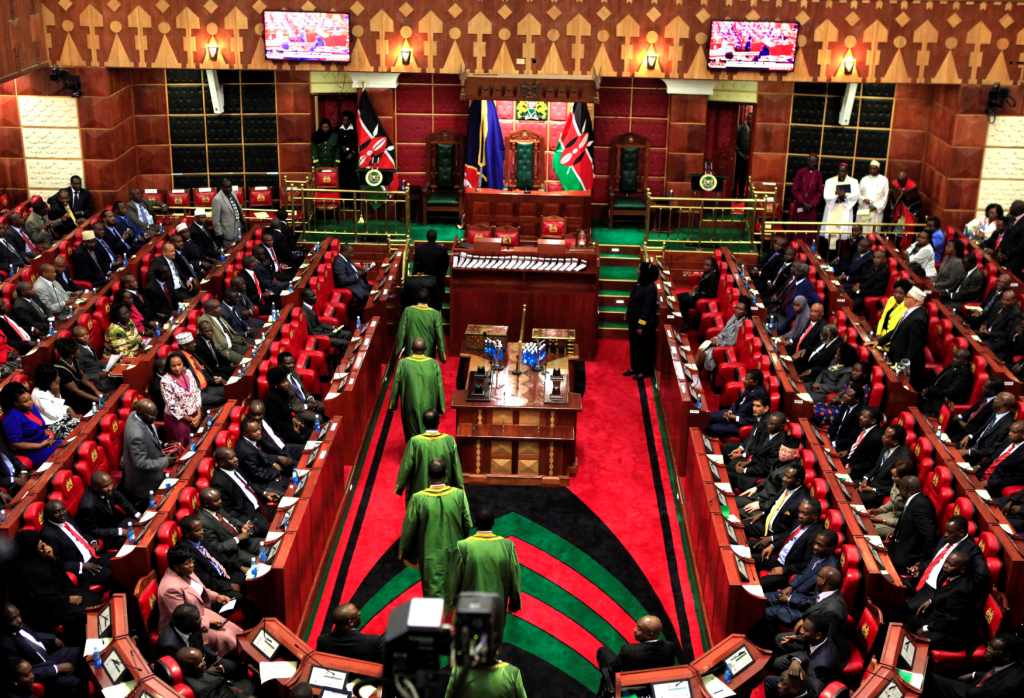
The Kenyan government has announced a second wave of salary increments for civil servants, set to take effect on July 1, 2026. This follows a previous pay adjustment earlier this year, signaling a continued effort to align public sector wages with the current economic climate.

Finalizing the Collective Bargaining Agreement (CBA)

Public Service Cabinet Secretary Geoffrey Ruku confirmed on Wednesday that the Ministry is in the final stages of solidifying a new CBA. This agreement will dictate salary reviews and benefits for the next four-year cycle, spanning from 2025/2026 to 2028/2029.

“I know there was a salary increment in January this year, but backdated to July last year. This year in July, there will be another salary increase,” CS Ruku stated.

Key Details of the Negotiation

While the government and the Kenya Union of Civil Servants have reached a consensus on the majority of the terms, a few technicalities remain under discussion:

  • Payment Structure: Negotiators are deciding whether the increment will be paid as a one-time lump sum or phased in installments over the four-year period.

  • Inter-Agency Collaboration: The Ministry is working closely with the Salaries and Remuneration Commission (SRC) to harmonize the pay adjustments within the national budget.

Economic Relief for Public Servants

The upcoming July raise is positioned as a critical intervention to help public employees manage the rising cost of living. By establishing a clear framework for the next four years, the government aims to provide financial predictability for thousands of civil servants while balancing the country’s broader fiscal constraints.

The technical teams are currently fast-tracking the remaining details to ensure the agreement is signed and ready for implementation by the start of the new financial year.


Government Intervenes In Viral N@ked Lady’s Case As They Make Arrests

The Ministry of Gender, Culture, and Children Services has issued a stern warning to the public following the circulation of a disturbing video filmed at a Nairobi entertainment joint. The footage, which shows a woman in a highly vulnerable state, has sparked national outrage and prompted government intervention.

A Violation of Constitutional Rights

In an official statement released Sunday, January 18, Cabinet Secretary Hanna Wendot Cheptumo condemned the recording and sharing of the material. She emphasized that disseminating such content is a direct violation of the victim’s dignity, privacy, and bodily autonomy—rights guaranteed under the Constitution of Kenya.

“The circulation and commentary of such material only lead to further psychological harm for the individual involved,” CS Cheptumo stated. She reaffirmed the government’s commitment to upholding human dignity “both offline and online.”

Investigation and Arrests

The incident, which depicts an intoxicated woman being inappropriately touched by a male companion, drew sharp criticism from Kenyans who labeled the act a form of gender-based violence (GBV). While the man in the video appeared to make unwanted advances, the person behind the camera chose to record the encounter rather than intervene.

Nairobi County Chief Officer for Citizen Engagement, Geoffrey Mosiria, confirmed that authorities have already made progress in the case:

  • Two individuals linked to the incident have been apprehended.
  • The primary suspect, believed to be the person who filmed the encounter, remains at large.

Mosiria dismissed critics who claimed he was being biased, asserting that the act was a clear case of illegal cyberbullying.

“Imagine going online as a parent or sibling and finding your relative trending illegally, her dignity stripped away for the world to see,” he remarked, urging the public to consider the human impact of such content.

Looking Ahead- Stricter Regulations

In response to the incident, the Ministry of Gender is engaging with security agencies to ensure those responsible face legal consequences. Furthermore, CS Cheptumo highlighted the urgent need for enhanced regulations within the hospitality and entertainment industry to ensure that the privacy of patrons is protected and that ethical standards are maintained even in spaces where individuals may be vulnerable.

Job Crisis Looms As Government Moves To Shut Down 300+ Companies

Thousands of Kenyan employees face an uncertain future following the government’s announcement of a massive cleanup of the national business registry. In a gazette notice dated January 2, 2026, the Registrar of Companies, Damaris Lukwo, revealed that over 300 firms are earmarked for dissolution starting in April this year.

Affected Sectors

The targeted companies span a wide range of industries, potentially causing a significant ripple effect across the labor market. The primary sectors facing the axe include:

  • Services: Consultancy, security, cleaning, and branding.

  • Infrastructure: Building, construction, and electrical services.

  • Media & Tech: Publishing, media firms, and internet service providers.

  • Logistics: Transport and supply chain companies.

  • Niche Industries: Insurance, milling, and education management services.

The 90-Day Grace Period

Under Section 894 (3) of the Companies Act, the Registrar has provided a three-month window for stakeholders to intervene. Any individual or entity with valid reasons why these companies should remain on the register must “show cause” before the April deadline.

“The names of the companies specified shall be struck off from the Register of Companies at the expiry of three months from the date of publication of this notice,” the gazette stated.

Why Is the Government Dissolving These Firms?

This move is part of a broader crackdown by the Business Registration Services (BRS)—an agency under the Attorney General’s office—to enforce compliance. Common reasons for such a strike-off include:

  1. Failure to File Annual Returns: A mandatory requirement under the Companies Act of 2015.

  2. Dormancy: Companies that have ceased operations but remain on the books.

  3. Court Orders: Specific legal mandates requiring dissolution.

  4. Regulatory Non-compliance: Failure to maintain accurate operational data.

Potential Roadblocks

While the Registrar has the power to dissolve these firms, the Kenya Revenue Authority (KRA) may step in to halt the process for specific companies. If a firm has an active tax dispute or outstanding liabilities, the KRA can apply to suspend the dissolution until all tax matters are settled.

As the 90-day countdown begins, business owners and employees are being urged to verify their status with the BRS to avoid permanent closure and job losses.

Major Cyberattack Hits Key Kenyan Government Websites

Several critical Kenyan government ministry websites suffered a widespread cyberattack on Monday morning, rendering them inaccessible and displaying unauthorized, extremist content.

The breach, which lasted throughout much of Monday, disrupted access to essential government services.

Defacement and Extremist Messaging

Citizen Digital reported that the attack involved the defacement of the websites. Hackers altered the visual appearance and content of the sites, replacing official information with unauthorized, offensive, and extremist messages.

Affected Ministries

The attack targeted and successfully disrupted websites for a majority of critical government ministries, including:

  • Ministry of Interior

  • Ministry of Health

  • Ministry of Education

  • Ministry of Energy

  • Ministry of Labour

  • Ministry of Water

The incident highlights a severe lapse in the cybersecurity infrastructure protecting critical government digital assets. Efforts to restore the websites and investigate the source of the breach are currently underway.

Government Spends Ksh38.6 Billion on Fuel, Rent, Hospitality, Routine Maintenance and Operating Expenses in 2022/2023 Financial Year

With the current high cost of living in the 254, the government has roped in questions from netizens on whether the heavy taxation is meant to improve the living standards or to enrich Government officials. After a year in office, here’s how your tax has been used;

Fuel

The State Department for Interior and Citizen Services was the biggest government spender on fuel in the country during the 2022/2023 financial year, using Ksh947.57 million in fuel and lubricants.

Other big spenders on fuel were the State Department for Correctional Services at Ksh761.31 million and the National Police Service (NPS) which spent Ksh439.18 million.

The Judiciary spent Ksh163.95 million on fuel, oil and lubricants.

Rent

The Independent Electoral and Boundaries Commission (IEBC) spent the highest on rent and rates at Ksh3.59 billion.

Other big spenders on rent were the Ministry of Foreign Affairs at Ksh1.9 billion, the State Department for Trade (Ksh 224.72 million), and the State Department for Labour (Ksh256.76 million).

Hospitality

Ruto and Uhuru had the biggest expenditure on hospitality, spending Ksh2.34 billion. This covers the money spent on hosting state luncheons for visiting presidents and other state house events.

The OP’s expenditure was followed by IEBC who spent Ksh2.12 billion.

Routine Maintenance

The total expenditure by the government offices was Ksh3.69 billion including Ksh1.95 billion for motor vehicles and Ksh1.74 billion for maintenance of other assets.

The State Department for Interior and Citizen Services recorded the highest routine maintenance motor vehicle expense at Ksh589.72 million while the Ministry of Health recorded the highest routine maintenance of other Assets at Ksh245.95 million.

Operating Expenses

These operations covered bank service charges, parking charges, constituency office expenses, security operations, and laundry expenses amongst others.

Government agency’s expenditure in this category was Ksh58.39 billion.

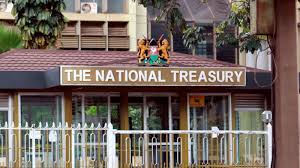
The Office of The President spent Ksh8.54 billion while the Treasury had its expenditure standing at Ksh11.16 billion.

TIFA Survey Finds Kenyans Dissatisfied With Current Government’s Performance

A new survey by market research company TIFA has found that a majority of Kenyans are dissatisfied with the performance of the government.

The survey, which was conducted between June 24 and June 30, 2023, found that 56% of Kenyans believe that the country is heading in the wrong direction. This is a significant increase from March, when only 25% of Kenyans held this view.

The survey also found that only 29% of Kenyans approve of the way the government is handling the economy. This is also a significant decrease from March, when 48% of Kenyans approved of the government’s handling of the economy.

The survey’s findings suggest that the government is facing a crisis of confidence. The government will need to take steps to address the concerns of Kenyans if it wants to improve its approval ratings.