
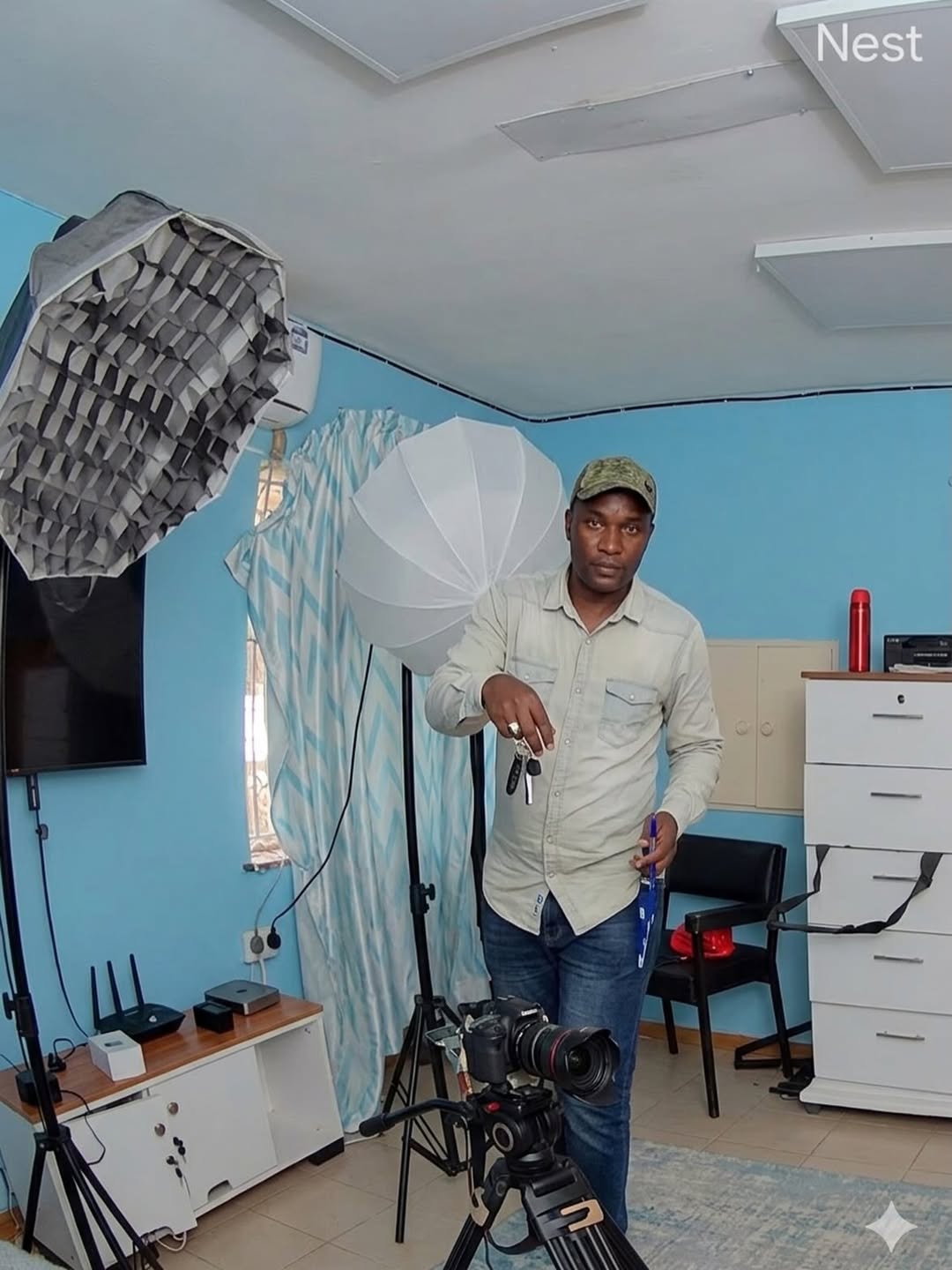
Iko Nini Podcast announces bounty for information leading to arrest of suspected thief

Iko Nini Podcast has announced a Sh100,000 reward for information that could help identify and arrest suspects linked to a recent studio break-in.

The incident, which occurred in the early hours of April 12, has raised concern within Kenya’s rapidly growing digital content space, with stolen equipment estimated to be worth over Sh1 million.

Studio Break-In

According to reports, three unidentified men gained access to the podcast’s studio and stole key production gear. The show’s host, Makarios Ouma, said the break-in happened shortly after he had left the premises in the early morning.

The suspects are believed to have entered without visibly damaging the padlock, raising questions about how they accessed the studio. Security footage reportedly captured the individuals inside, carrying tools such as crowbars and torches.

High-Value Equipment Stolen

Among the items taken were high-end production cameras, including Sony A7 IV models, along with lenses and camera stands used for recording the show.

The loss is a major setback for the production, which relies heavily on high-quality visual content for its online audience. Reports suggest the suspects may have specifically targeted certain equipment, as other items like computers were left behind.

Reward for Information

In response, the podcast team has appealed to the public for assistance, offering a Sh100,000 cash reward for credible information leading to the arrest and conviction of the suspects.

“We are offering a Sh100,000 cash reward for information leading to the arrest and conviction of the three men,” the team said, assuring that any tips will be handled with strict confidentiality.

Investigations Ongoing

The case has been reported to authorities, with police and forensic teams already visiting the scene to begin investigations. However, there has been no official update yet on any arrests or identified suspects.

Impact on the Industry

Since its launch around 2021, Iko Nini Podcast has grown into one of Kenya’s most recognised digital shows, known for its bold discussions on politics, entertainment, and social issues.

The break-in highlights growing concerns around security for content creators, as the industry continues to expand and invest in high-value production equipment.

The Iko Nini Podcast: A Voice for Kenya’s Real Conversations

In the ever-evolving landscape of Kenyan media, few platforms have managed to capture the zeitgeist as effectively as the Iko Nini Podcast. Launched as a space for raw, unfiltered discussions, it has quickly become a cultural phenomenon, resonating with a wide audience for its honesty, humor, and fearless approach to tackling societal issues. But what makes Iko Nini stand out in a crowded podcasting space, and why does it matter?

A Platform for Honest Conversations

At its core, Iko Nini is about authenticity. Hosted by a dynamic team including former rapper Mwafreeka, DJ Zaq, Rapcha The Sayantist, and Ian, the podcast prides itself on being Kenya’s most honest and “real” conversation platform. The hosts’ chemistry is palpable, creating an atmosphere where ideas flow freely, and no topic is off-limits. From entertainment and politics to social issues like crime, education, and the music industry, Iko Nini dives deep into the heart of Kenyan society.

What sets it apart is its willingness to tackle controversial subjects head-on. Whether discussing political betrayals, societal injustices, or personal struggles, the hosts don’t shy away from expressing their viewpoints, even when they’re unpopular. This fearlessness has earned them praise on platforms like X, where users have hailed it as the best podcast in Kenya for its consistency, depth, and entertainment value.

A Reflection of Kenyan Diversity

One of Iko Nini’s greatest strengths is its inclusivity. The podcast features a diverse range of guests, from artists and politicians to comedians and lawyers, atheists to believers. This diversity ensures that multiple perspectives are represented, making it a microcosm of Kenyan society. For instance, episodes like “ODM Members Join Cabinet as Raila Betrays Kenyans” or “Slums, Education, Crime & Music Industry” highlight the podcast’s ability to address both national and grassroots issues with equal gravitas.

This inclusivity extends to its audience as well. With over 300 episodes on platforms like Apple Podcasts, Spotify, and YouTube, Iko Nini has built a loyal following that spans generations and demographics. Its ability to entertain while educating has made it a go-to for Kenyans seeking both laughter and insight.

The Power of Humor and Chemistry

Humor is a cornerstone of Iko Nini’s appeal. The hosts’ comedic timing, particularly Ian’s wit and Rapcha’s fearless commentary, ensures that even the heaviest topics are delivered with a light touch. This balance of humor and seriousness makes the podcast accessible, allowing listeners to engage with complex issues without feeling overwhelmed.

The chemistry between the hosts is another key factor. Their camaraderie creates a sense of familiarity, as if listeners are part of an intimate conversation among friends. This dynamic has been lauded by fans, who appreciate the podcast’s ability to feel both professional and personal.

Challenges and Criticisms

Despite its success, Iko Nini is not without its challenges. Some critics argue that its raw, unfiltered style can occasionally veer into sensationalism, particularly when discussing sensitive political or social issues. Additionally, the podcast’s reliance on humor and candidness may alienate listeners who prefer a more measured approach.

There’s also the broader challenge of sustainability in the podcasting space. While Iko Nini has built a strong brand, monetizing such platforms in Kenya remains a hurdle, with many podcasters relying on sponsorships and merchandise sales. The podcast’s merchandise store on Creator Spring is a step in this direction, but long-term financial stability remains a concern.

A Beacon for the Future of Media

Despite these challenges, Iko Nini represents the future of media in Kenya. Its success on platforms like YouTube and Spotify underscores the growing appetite for digital content that reflects local realities. As traditional media struggles to adapt to changing consumption habits, podcasts like Iko Nini are filling the gap, offering a space where Kenyans can see themselves represented authentically.

Moreover, its influence extends beyond entertainment. By sparking conversations on critical issues, Iko Nini is shaping public discourse, encouraging listeners to think critically about their society. In a country where media freedom and access to diverse voices are often under threat, this is no small feat.


Jalang’o Reveals Radio Presenters Earning Over 2 Million Per Month [VIDEO]

Lang’ata Member of Parliament Phelix Odwiour, widely known as ‘Jalang’o’ or Heavy J, has given an estimate of what the top two Kenyan radio presenters earn, drawing from his experience as a former radio host before entering politics.

Jalang’o highlighted Maina Kageni and King’ang’i ‘Churchill’, who host the morning show on Classic 105, as the highest-paid radio presenters in Kenya due to their skills and popularity.

CHECK OUT:

“God, please stop this… I can’t bear to mourn anymore!” Jalang’o cries in anguish at Nyaboke Moraa’s daughter’s funeral

“Mtu kama Maina na King’ang’i unadhani wanalipwa doh ngapi? Walifika, millioni mbili, tatu kitambooh wale ni matajiri!” he remarked, suggesting they earn between two to three million shillings.

He praised them for their knowledge of current affairs, hard work, and consistency, which has allowed them to build a loyal and unshakeable fan base over the years.

ALSO CHECK OUT:

Jalang’o discusses the impact that entering politics has had on him.

Jalang’o further explained that Maina’s presence on the show is so influential that it significantly boosts the station’s revenue.

“When Maina goes on air, every break is filled with commercials, and all are sponsored. If Maina can generate about 10 million per day, why wouldn’t you pay him five if he asks for it? Because if he leaves, what will you do?” Jalang’o added.