
Iko Nini Podcast announces bounty for information leading to arrest of suspected thief

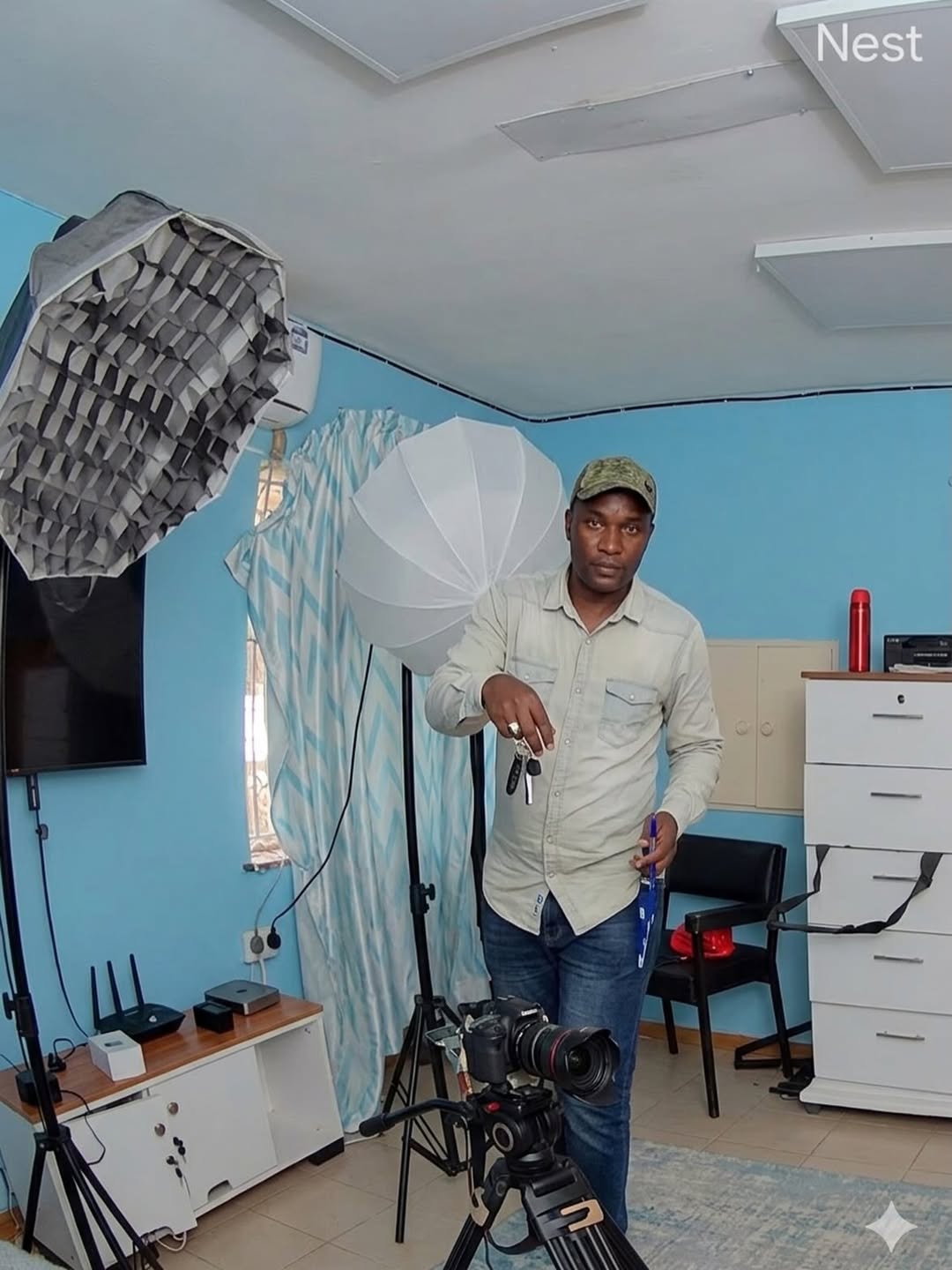
Iko Nini Podcast has announced a Sh100,000 reward for information that could help identify and arrest suspects linked to a recent studio break-in.

The incident, which occurred in the early hours of April 12, has raised concern within Kenya’s rapidly growing digital content space, with stolen equipment estimated to be worth over Sh1 million.

Studio Break-In

According to reports, three unidentified men gained access to the podcast’s studio and stole key production gear. The show’s host, Makarios Ouma, said the break-in happened shortly after he had left the premises in the early morning.

The suspects are believed to have entered without visibly damaging the padlock, raising questions about how they accessed the studio. Security footage reportedly captured the individuals inside, carrying tools such as crowbars and torches.

High-Value Equipment Stolen

Among the items taken were high-end production cameras, including Sony A7 IV models, along with lenses and camera stands used for recording the show.

The loss is a major setback for the production, which relies heavily on high-quality visual content for its online audience. Reports suggest the suspects may have specifically targeted certain equipment, as other items like computers were left behind.

Reward for Information

In response, the podcast team has appealed to the public for assistance, offering a Sh100,000 cash reward for credible information leading to the arrest and conviction of the suspects.

“We are offering a Sh100,000 cash reward for information leading to the arrest and conviction of the three men,” the team said, assuring that any tips will be handled with strict confidentiality.

Investigations Ongoing

The case has been reported to authorities, with police and forensic teams already visiting the scene to begin investigations. However, there has been no official update yet on any arrests or identified suspects.

Impact on the Industry

Since its launch around 2021, Iko Nini Podcast has grown into one of Kenya’s most recognised digital shows, known for its bold discussions on politics, entertainment, and social issues.

The break-in highlights growing concerns around security for content creators, as the industry continues to expand and invest in high-value production equipment.
Mwafreeka Opens Up on Childhood, Family Struggles, and the Birth of His Stage Name

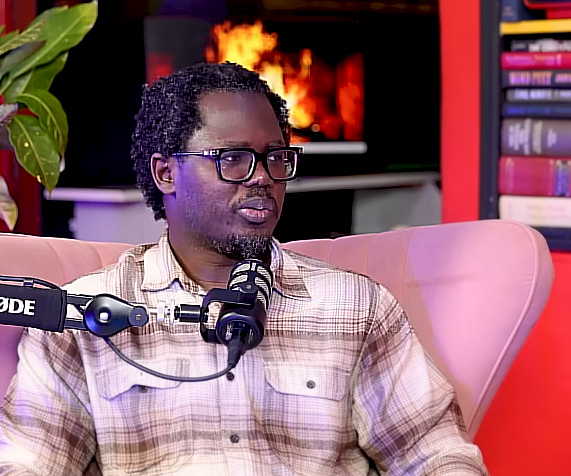
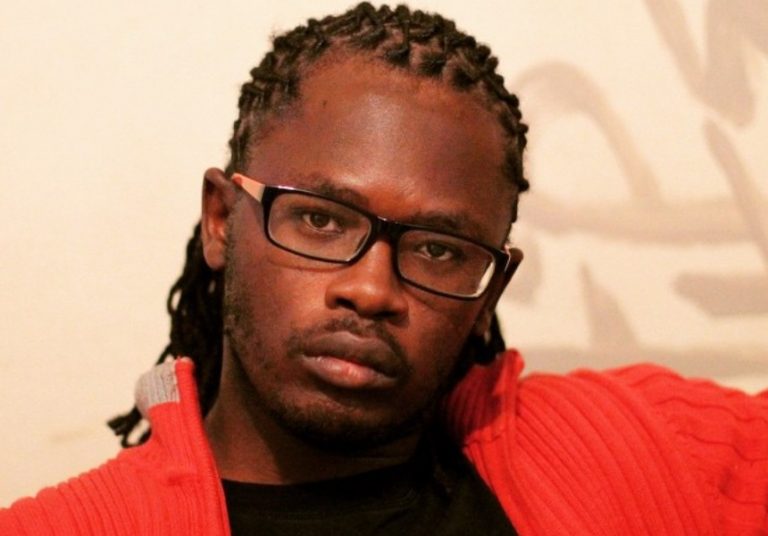
Iko Nini podcast host Mwafreeka recently offered a rare glimpse into his personal journey, from a childhood shadowed by family struggles with incarceration to the story behind his now-famous stage name. The candid conversation unfolded on Dr. Ofweneke’s Lessons at 30 podcast, where the veteran media personality reflected on how his upbringing shaped the man he is today.

When Jail Felt Like a Rite of Passage

Growing up, Mwafreeka became accustomed to seeing close relatives behind bars — a reality that shaped his early perceptions of life. He revealed that his father, uncle, younger brother, and cousin all spent time in prison.

“I always joke that at some point, when I was a kid, I thought jail was a rite of passage,” he said.

At just 12 years old, he would visit his father at Sotik Prison, since his older brothers were away in boarding school and his mother was busy hustling to provide for the family. Though he sometimes recalls the memories with humor, he admitted that as a child, the experience was frightening.

His father eventually served two years before being released in 1994, but he sadly passed away just two years later after a long battle with alcoholism. Mwafreeka also recalled the arrest of one of his uncles, who was jailed for trying to cash a cheque that wasn’t his — a story he has since revisited with the uncle on an episode of Iko Nini.

The Birth of “Mwafreeka”

The name Mwafreeka was born during his time at the University of Nairobi, when his passion for hip-hop culture was at its peak.

“I was obsessed with hip-hop,” he recalled.

Because hip-hop was strongly tied to Black American culture, a friend nicknamed him Mwafrika Mweusi. He later shortened it to Mwafreeka, reasoning that all Africans are already Black, so the “Mweusi” part was unnecessary.

The name stuck and grew into a brand, even as he navigated the stereotypes of the time, when hip-hop was seen as the preserve of certain social classes.

A Career in Media and a Stable Personal Life

Before becoming one of Kenya’s most respected podcasters, Mwafreeka made his mark in hip-hop and later co-founded a comedy show on K24 alongside Rapcha the Sayantist. Today, he says he enjoys podcasting far more than traditional radio, describing it as “better and more fun.” He also believes the future of broadcasting lies in merging the two: “radio plus podcast”.

Beyond the mic, Mwafreeka has been married for 11 years and proudly notes that his marriage has been free of drama — something he considers himself lucky for.

From a childhood marked by hardship to a career defined by creativity and resilience, Mwafreeka’s journey is a powerful reminder of how personal struggles can fuel lasting impact.

Andrew Kibe’s Iko Nini Podcast Appearance Sparks Banter and Unfiltered Talk

Former radio host turned YouTuber Andrew Kibe recently appeared on the Iko Nini podcast with Mwafreeka, delivering a spirited and, at times, cheeky conversation that spanned topics from marriage and divorce to religion and life in Kenya.

The episode, which aired on April 23, took a humorous detour right from the start, with Kibe expressing disappointment over the lack of refreshments upon his arrival.

“But Mwaf, not even a glass of water? No coffee?” Kibe asked with mock indignation.

Mwafreeka replied, noting that Kibe had shown up holding a can of Red Bull, implying he was already sorted.

Still unconvinced, Kibe joked, “Even glucose? You could at least offer water. Not even a cup of coffee?”—prompting laughter between the two.

“We Wanted You Sober”

Trying to explain the oversight, Mwafreeka said they had drinks on hand but assumed Kibe didn’t need any. Then came an unexpected twist—he revealed the real reason for the dry welcome.

“We wanted you 100% sober,” Mwafreeka said. “One guest drank during the show and was completely drunk by the end.”

Kibe, taken aback, quipped: “So you denied me coffee because you wanted me sober?”

On Domestic Life and Getting Too Comfortable

As the chat progressed, Kibe got candid about his views on relationships and domestic life.

“I can’t stand being asked if I want a cup of water after sitting in the house for three hours. No. I’ll end up doing something stupid,” he joked, leaning into his well-known blunt style.

From Banter to Business

Later in the show, Kibe flipped the script and asked Mwafreeka to support his work by purchasing a few of his self-published books. Mwafreeka obliged, buying three copies at KSh1,000 each, easing the earlier tension.

With the mood lightened, the two dived deeper into the discussion topics, offering listeners a raw, entertaining, and thought-provoking episode—classic Kibe style.