

Mokaya, Mjaka Mfine, and Malcolm respond to allegations they were subjected to Tanzanian travel ban

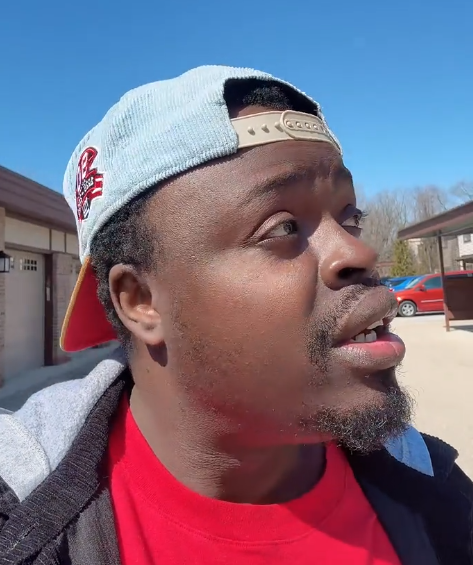
Kenyan content creators Mokaya, Mjaka Mfine, and Malcolm have addressed reports circulating on social media claiming they were denied entry into Tanzania following the release of satirical videos referencing Tanzanian President Samia Suluhu Hassan.

The three creators found themselves at the centre of online discussion after their comedy skits, which touched on recent political conversations involving Tanzania, gained significant attention across East Africa.

Despite the widespread claims, no official communication from Tanzanian authorities has been issued confirming that the trio has been banned from entering the country or placed under any travel restrictions.

@mokaya_46 Sir Mia suluhu list of content creators not to step in TZ😂😂 @OMAR #mokaya46 #nairobitiktokers #tanzaniantiktok🇹🇿 #fyp #goviral ♬ original sound – mokaya

Online Speculation Grows

The rumours gained momentum after users on TikTok, Instagram, and X began sharing posts alleging that Tanzanian officials were unhappy with the creators’ satirical portrayals of President Samia Suluhu Hassan.

As the claims spread, the videos attracted thousands of reactions, with audiences from both Kenya and Tanzania weighing in on the debate.

The skits quickly went viral, fueling further speculation about the creators’ status and their ability to travel to Tanzania.

Creators Respond

In separate responses shared online, Mokaya, Mjaka Mfine, and Malcolm appeared to downplay the reports, treating them as part of the ongoing social media buzz surrounding their content.

Rather than directly confirming or denying the allegations, the creators responded in a light-hearted manner, suggesting they were unfazed by the speculation.

Their reactions have only added to the conversation, with supporters and critics continuing to debate the impact of political satire and the role of content creators in addressing topical issues through comedy.

As of now, there has been no official confirmation from Tanzanian authorities regarding the claims circulating online.
TikTok star Malcolm weighs in on Njugush leaving his wife, Celestine Ndinda

Content creator Malcom has sparked debate online after declaring that he intends to keep his relationship completely private, cautioning against putting love on display for social media.

In a blunt statement that quickly went viral, Malcom warned that relationships should be handled discreetly rather than turned into online content.

“Usiwai eka mapenzi yako kwa ii mtandao. Inabidi shughuli ingine ufanye chini ya maji.”

Timing Linked to Njugush and Celestine Split

His remarks come shortly after the widely discussed separation of Timothy Kimani and Celestine Ndinda.

For years, the couple had built a strong online presence, sharing family moments and comedy skits that endeared them to fans. However, Njugush’s recent confirmation that they had actually split last year surprised many, especially those who had speculated about changes in their relationship.

The revelation reignited a familiar question: does sharing relationships online expose them to pressure, scrutiny, and eventual strain?

@arnoldmalcom♬ original sound – MALCOM (Machaji na Manyonyois)

Statement Gains Traction Online

Malcom’s message spread rapidly across social platforms, resonating with users due to its direct tone and relatable language.

Mixed Reactions from Netizens

The comments section quickly filled with a mix of humour, agreement, and playful disagreement.

Some users supported his stance, agreeing that relationships are better kept private, while others insisted they would continue sharing their partners online. A section of commenters responded with jokes, teasing, and light-hearted pressure to “show the partner,” while others expressed mock heartbreak or curiosity about how private is too private.

Why More Celebrities Are Going Private

Malcom’s comments reflect a growing trend among public figures who are choosing to keep their relationships off social media. Several factors are driving this shift:

  • Increased pressure from followers to maintain a “perfect” relationship image
  • Constant online criticism and unsolicited opinions
  • Rumours and speculation triggered by minor changes
  • Emotional strain as relationships become content rather than genuine connections

As conversations continue, Malcom’s stance adds to the ongoing debate about privacy, boundaries, and the real cost of sharing personal relationships in the digital age.