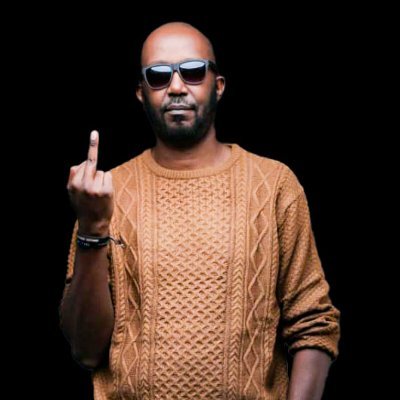

Outspoken digital commentator Andrew Kibe has opened up about his past financial struggles, revealing the irony of earning a high-profile salary while remaining functionally “broke.”
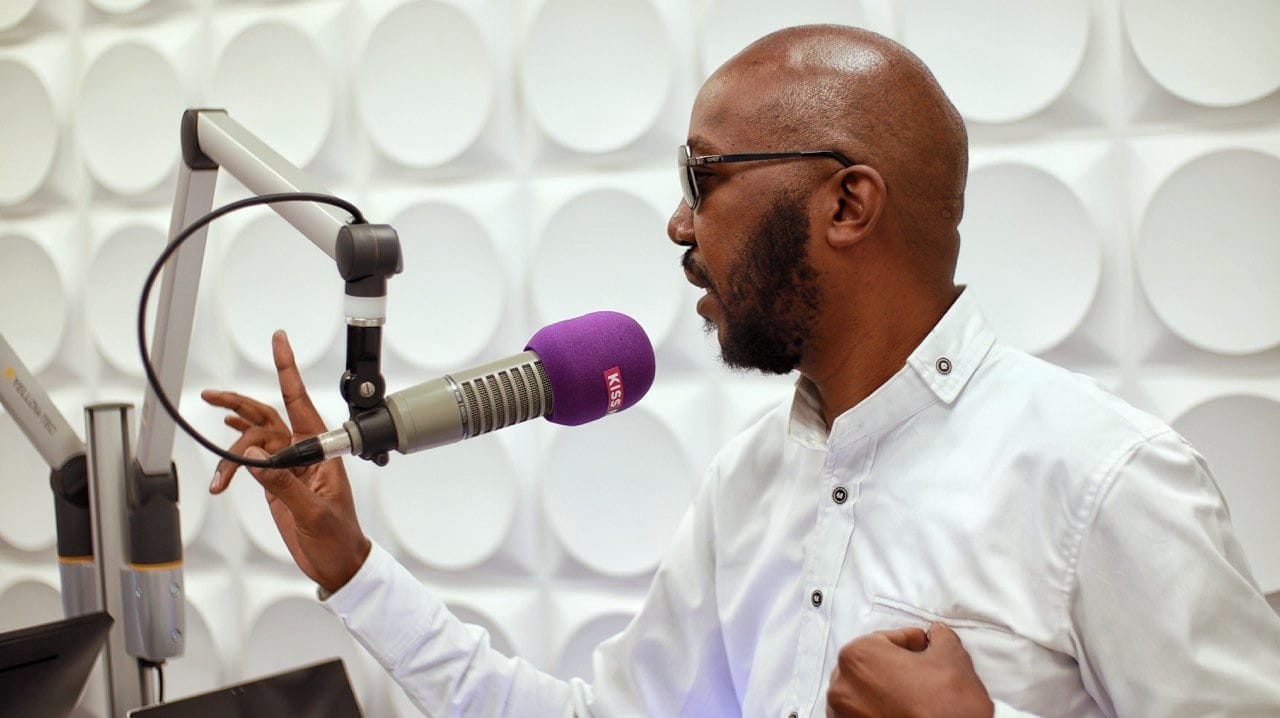
In a candid sit-down with rapper Scar Mkadinali, Kibe detailed his time at Kiss 100, where he earned a staggering KSh 500,000 per month. Despite the impressive figure, he described the experience as soul-crushing and financially draining.
The “One-Day” Monthly Salary
Kibe explained that while the anticipation of payday brought excitement, the reality of the money hitting his account was often met with exhaustion and stress.
-
Instant Evaporation: He noted that his monthly obligations were so high that his entire 30-day effort disappeared within a single day.
-
The Debt Cycle: “It used to hit my account when I’m already tired… 100K pays this, another pays that. You get tired because 30 days are disappearing in one day,” he stated.
-
The Verdict: Kibe concluded that traditional employment is a flawed model for wealth, bluntly stating, “Salary is rubbish.”
Finding Financial Freedom in the US
The former radio host compared his Kenyan corporate life to his transition to the United States, where he found success through YouTube and high-end gig work.
A Tale of Two Incomes:
-
Gig Work: Kibe revealed he made a living driving for the wealthy in the US, earning approximately KSh 4,000 per hour plus generous tips of at least KSh 5,000. This income alone was sufficient to cover all his bills in Kenya.
-
The YouTube Windfall: Unlike his salary, his digital earnings accumulated untouched. He recalled a specific morning where he woke up to find KSh 9 million in his YouTube account, leaving him wondering how to spend it after all his expenses were already cleared.
Non-Traditional Investments
While many Kenyans abroad focus on buying land or property back home, Kibe remains firm that such investments do not interest him. Instead of real estate, he used his windfall to purchase a luxury S550 and expressed a preference for investing in sectors he understands, such as software.
Despite his rocky relationship with YouTube—following the demonetization of his content—Kibe begrudgingly admitted the platform’s financial power.
“YouTube has money even though I hate them… they have a good model,” he added, acknowledging that the digital space provided the financial autonomy that corporate radio never could.