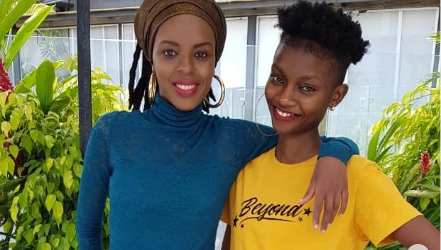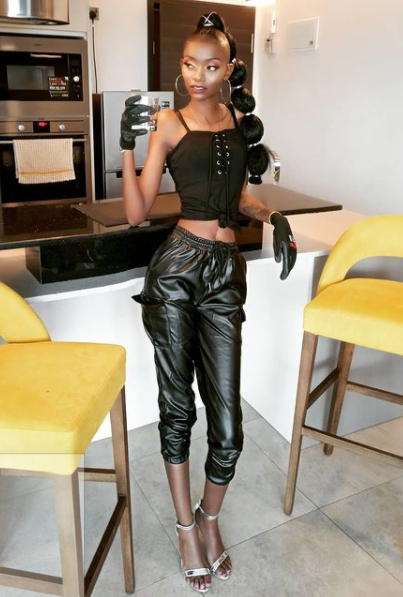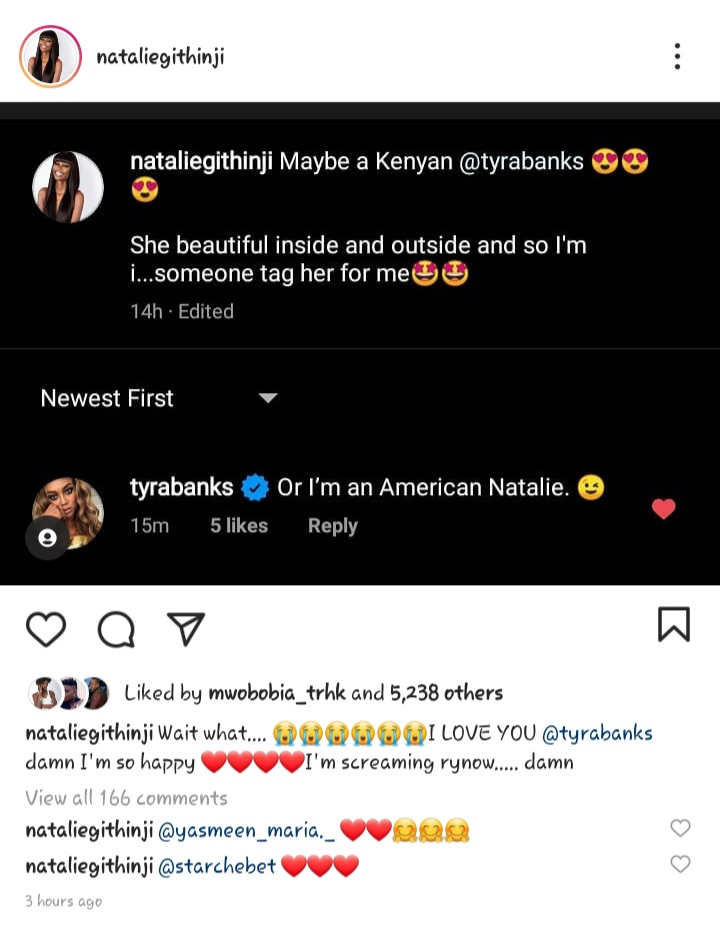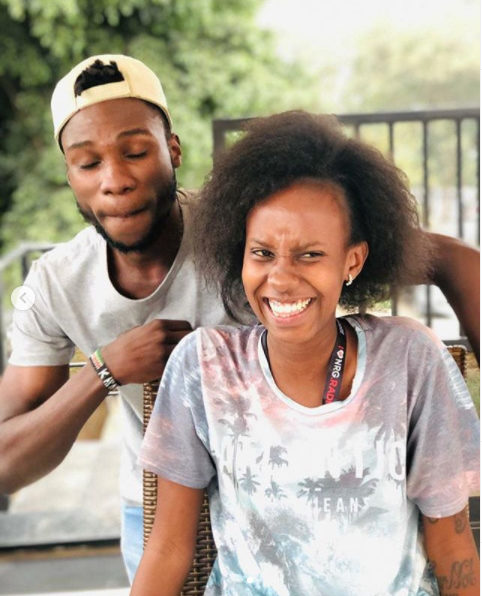

Media personality Natalie Githinji has drawn a line in the sand against online bullies, delivering a blistering message to those who use social media to criticize others’ physical appearances. On Monday, April 13, 2026, the content creator made it clear that her platforms will no longer be a space for “immaturity” or harassment.
No Tolerance for “Nonsense”
Githinji’s remarks were sparked by a growing trend of unsolicited commentary on people’s bodies. She urged critics to redirect their energy toward their own personal growth rather than attacking others.
“I don’t tolerate this kind of nonsense and immaturity…. If you’re too pressed to body shame any human,” she stated, before posing a question to her followers: “Mnasumbua watu hawana issue na vile wako kwanini? (Why are you bothering people who are comfortable with how they look?)”
She emphasized that true peace comes from self-acceptance and encouraged detractors to focus on their own survival. “Wewe hustle and ask God to help you live longer,” she added.
The Impact on Young Women
Beyond the annoyance of “trolls,” Githinji highlighted the real-world damage caused by harsh words. She revealed that her direct messages are frequently flooded with young girls whose self-esteem has been shattered by online insults.
“Women body shaming women go to hell, anyone body shaming anyone, burn in hell,” she remarked with characteristic bluntness. “You’re making young girls flock my DMs because of how you insult them until confidence is a rumor to them.”
She stressed that constant criticism leaves lasting emotional scars, often turning what a bully considers a “joke” into a source of deep psychological pain for the target.
A Message of Empowerment
To those who have been on the receiving end of body shaming, Githinji offered words of solidarity and strength. She reminded them that their worth is not defined by the opinions of strangers.
“To anyone who has been body shamed before… You are stronger and more beautiful than just stupid words from useless people,” she concluded.
Githinji’s stance joins a chorus of Kenyan public figures who are increasingly using their influence to push back against toxic digital cultures and advocate for a standard of kindness and respect in online interactions.