Your Daily Ride Could Soon Cost More

What Kenya’s Proposed Ride-Hailing Fare Changes Could Mean for You

Ride-hailing has quietly become one of Kenya’s most important digital industries.

The sector now forms a significant part of the country’s gig economy, which supports about 1.54 million workers.

More than half of Kenyan ride-hailing drivers say the business is their primary source of income, while the market itself is projected to generate approximately Sh7.3 billion in revenue this year.

It is, in many ways, a success story of technology and entrepreneurship.

That is why President William Ruto’s recent directive to the National Transport and Safety Authority (NTSA) to introduce minimum pricing and review per-kilometre rates for ride-hailing services has sparked intense debate.

The Economics of Demand

Ride-hailing operates within a demand-driven marketplace.

Prices play a significant role in determining how often consumers use these services.

When fares rise substantially, customer behaviour often changes.

Some passengers reduce the number of trips they take, while others return to public transport, organise private arrangements, share rides or avoid making non-essential journeys altogether.

This matters because the industry depends heavily on volume.

For many drivers, income is not determined solely by the amount earned from an individual trip.

It is equally influenced by how many trips they complete throughout the day.

A driver who completes fifteen reasonably priced trips may earn more than one who charges higher fares but only secures seven bookings.

The relationship between demand and earnings is therefore more delicate than it first appears.
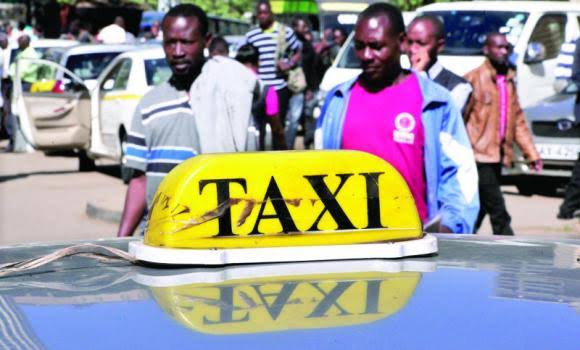
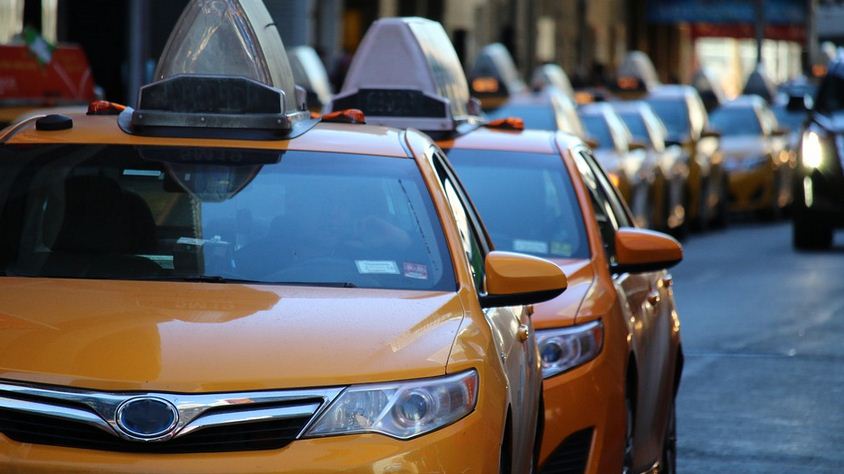
A taxi waits for passengers on a Nairobi street (Image: Files)

Drivers Could Feel the Most Impact

Ride-hailing’s rapid growth in Kenya has largely been built on accessibility.

The services have become particularly popular among low- and middle-income earners who rely on them for short trips, late-night travel, airport transfers, and journeys to areas where public transport may be inconvenient or unavailable.

If regulated fare increases significantly raise the cost of trips, a portion of these consumers could be priced out of the market.

Fewer bookings lead to longer waiting times between trips and longer idle periods ultimately reduce earning opportunities for drivers.

This is the paradox of price regulation in demand-sensitive industries: higher prices can sometimes result in lower overall incomes.

The concern is particularly relevant in the ride-hailing sector because drivers’ expenses do not disappear when demand slows.

Vehicle financing costs, insurance premiums, maintenance expenses and fuel costs continue to accumulate regardless of how many bookings come through.

As a result, prolonged periods of lower demand could place additional financial pressure on the very drivers the regulation seeks to protect.

A More Nuanced Approach

None of this diminishes the legitimate concerns raised by drivers.

The cost of doing business has risen considerably over the past few years.

Fuel prices, spare parts, vehicle servicing and financing costs have all increased, squeezing margins for many operators.

These challenges deserve policy attention.

However, the assumption that higher prices automatically lead to better outcomes may oversimplify the economics of the sector.

Ride-hailing platforms operate within a highly dynamic ecosystem where demand shifts according to time of day, location, weather conditions, economic circumstances and consumer spending patterns.

Pricing mechanisms have evolved partly because they help balance these factors in real time.

A rigid price floor could unintentionally weaken this balance.

The objective should therefore be to build a sustainable environment where drivers earn fairly while passengers continue to access affordable and reliable transport services.

Ultimately, the health of the ride-hailing industry depends on a simple equation: drivers need passengers, and passengers need prices they can afford.


Digital Tax Reform: Uber, Netflix and Other Platforms Now to Pay Taxes

The government is shaking things up with a new tax reform bill, and if you’re into ride-hailing, freelancing, or even retirement plans, this one’s for you.

But, don’t worry, it’s not as intimidating as it sounds.

Let’s break it down into plain, relatable bits you can digest while sipping your coffee (or tea, we don’t judge).

1. What is the Digital Marketplace?

Imagine this: you book an Uber, grab some takeout via Glovo, or pay a freelancer for a quick logo design. These services are all part of what’s now officially being called the “digital marketplace.”

Previously, platform owners like Uber and Bolt weren’t paying taxes in Kenya, even though they made a tidy sum right here.

Now, the government wants to tax platform owners, not you, the end-user or driver.

Here’s the kicker: while this move promises more cash for government projects, there’s a risk that these platforms could increase prices to cover the new tax.

So, your Uber rides might cost a little more. Fingers crossed they don’t.

The Netflix logo as displayed at Netflix offices on July 19, 2023 in Los Angeles, California. (Image: Internet)

Why does it matter to you? 

More taxes mean more funds for government priorities like affordable housing and healthcare. Good thing.

If the platforms play fair, you won’t feel the pinch as a user or driver.

2. Important Tax Definitions

Ever gotten lost in the legal mumbo jumbo of what terms like “retirement fund” or “royalty” actually mean? Let’s clean up these definitions to make them crystal clear.

(a) Individual Retirement Fund:

These are your savings for retirement held in trust by a qualified institution.

The new rules mean that only the Retirement Benefits Authority (RBA) can register these funds, cutting out unnecessary oversight by the Commissioner. Bottom line? Your retirement nest egg is safer.

(b) Individual Pension Fund:

Similar to retirement funds, this amendment ensures pension funds follow RBA rules exclusively. No extra hoops to jump through.

(c) Provident Fund:

Think of this as a lump-sum payout fund for employees when they retire or pass away. The new rules mean you don’t need Commissioner approval to register these funds anymore.

(d) Royalty:

The new definition covers a lot more, like payments for software (whether it’s a license, maintenance, or training) and even gains from selling intellectual property.

Basically, if you’re making money from creative or industrial assets, this one’s for you.

(e) Wife’s Employment:

A relic of outdated tax language is getting deleted. Finally, right?

(f) Donation:

This new definition clears up any confusion – donations now mean any monetary or in-kind benefit given without expecting anything in return.

(g) Public Entity:

Government bodies like ministries or state corporations are now explicitly defined. If you’re dealing with these entities, you’ll know exactly how to account for your income.

(h) Fund:

Whether it’s a retirement, pension, or provident fund, all these definitions now sit squarely under RBA rules. This means more uniformity and fewer surprises.

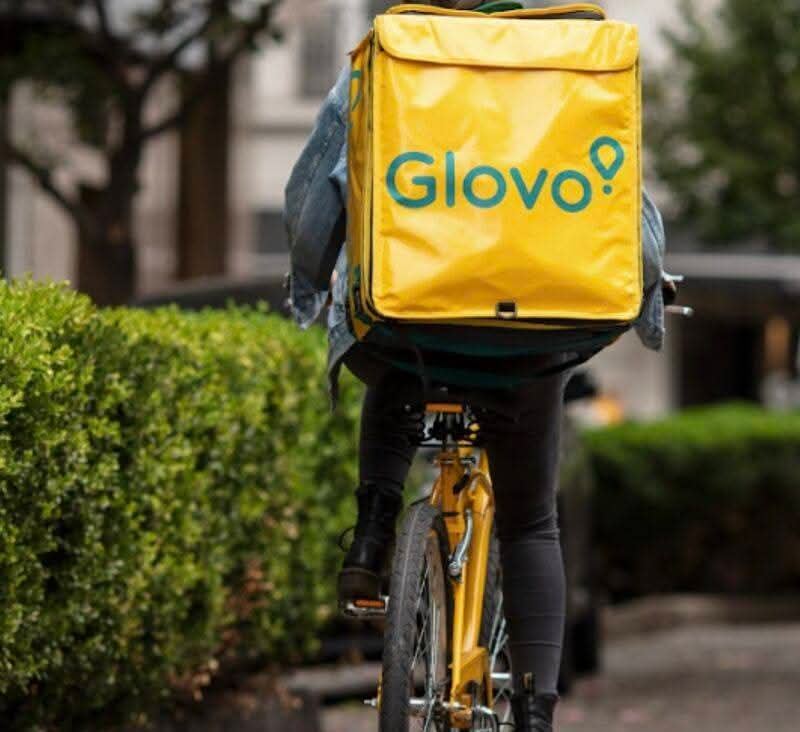
Online food delivery platform Glovo is one of the affected digital players.

Why does it matter to you?

If you’re saving for retirement, these changes protect your money by keeping shady dealings out of the system.

Clear definitions mean fewer sneaky tax dodges by big players and a fairer system for all.

Even small details, like how donations are treated, could simplify life for charities and donors alike.

In a Nutshell….

This tax reform is about two things: levelling the playing field for digital businesses and making sure tax terms are clear and fair.

With these updates, your retirement funds are more secure, royalties make more sense, and outdated terms are getting the boot.

While it’s a step in the right direction, how these changes play out – especially on your Uber rides – remains to be seen. Stay tuned as we keep an eye on the updates.

In the meantime, let us know: What’s your take on these proposed changes?

International Women’s Day: 3 Female Uber drivers Ghafla! celebrates today

International Women’s Day (IWD) is a special day set aside to celebrate the social, economic, cultural and political achievement of women.

Every year on March 8th people across world come out to celebrate women’s achievements. IWD is basically a catalyst for change when it comes to gender equality.

Today Ghafla! celebrates women who are excelling in male dominated taxi industry. Our focus is on three female Uber drivers in Nairobi.

Farida Salim

Farida Salim is a mother of four and in her early forties. Uber gave Farida a new purpose and hope as a single mother. Driving with Uber has enabled her provide for her family and enjoy the flexibility that the app offers her to find time to take care of her kids.

When did you start driving with Uber?

On 28th February 2017, its been a little over a year now. I like the flexibility that the app give me. I can go online whenever I want and switch the phone off when I want to spend time with my kids.

How do male clients perceive you?

Men are mostly happy to ride with me, they often ask me to go back and pick them up or book me for a day where I can drop them to various destinations.

Challenges and advice to other women?

So long as you have a PSV and car you can use your car to start earning with Uber, there is no reason why you should sit at home. As a woman, once you respect yourself others will respect you. I have not had any incidences driving as a women because of this principle.


Agnes Kinyua

In her mid twenties, Agnes started driving with Uber after she graduated from college. She couldn’t find a job and decided to take a stab at driving with Uber and she has never looked back. She currently drivers with Uber and also has another side hustle.

When did you start driving with Uber?

In November 2015, I like driving with Uber as it enables me to do my errands throughout the day. I also like the apps driver destination feature that enables me to set home as my destination on my way home I can pick up a passenger as I go home

Relationship status – Single

How do male clients perceive you?

Most male riders are happy to ride with me, some have been a little worried and wanted to know if I was okay.

Challenges and advice to other women?

I like work during the day and up until 10am. As a woman I don’t like to driver late into the night – I would rather close early to ensure that I am safe


Purity Korir

Purity is delighted that she drives with Uber, as a mother of two in her thirties driving with Uber was a dream come true. From her early days, she wanted to drive commercial cars like lorries. She had even specialized on driving school buses.

As a women driving on Uber, Purity has been able to balance her household because of the flexibility that the app offers her, even when she does not have a house help. Uber has been great for her because she can switch off the app and concentrate on her family.

When did you start driving with Uber?

April 2016, its been close to 2 years now.

How do male clients perceive you?

Most of my male riders are empathetic towards me, they mostly believe that they are safer with me as a woman driving them with others opting to take a nap when I am driving. Some men always compliment me and tell me that they wish their unemployed wives would have the courage to drive with Uber

Challenges and advice to other women?

So long as you have a PSV and car you can use your car to start earning with Uber. There is no reason why you should sit at home. As a woman, once you respect yourself others will respect you. I have not had any incidences driving as a women because of this principle.

So far I have introduced many of my friends to Uber. I have not had any challenges driving with Uber.


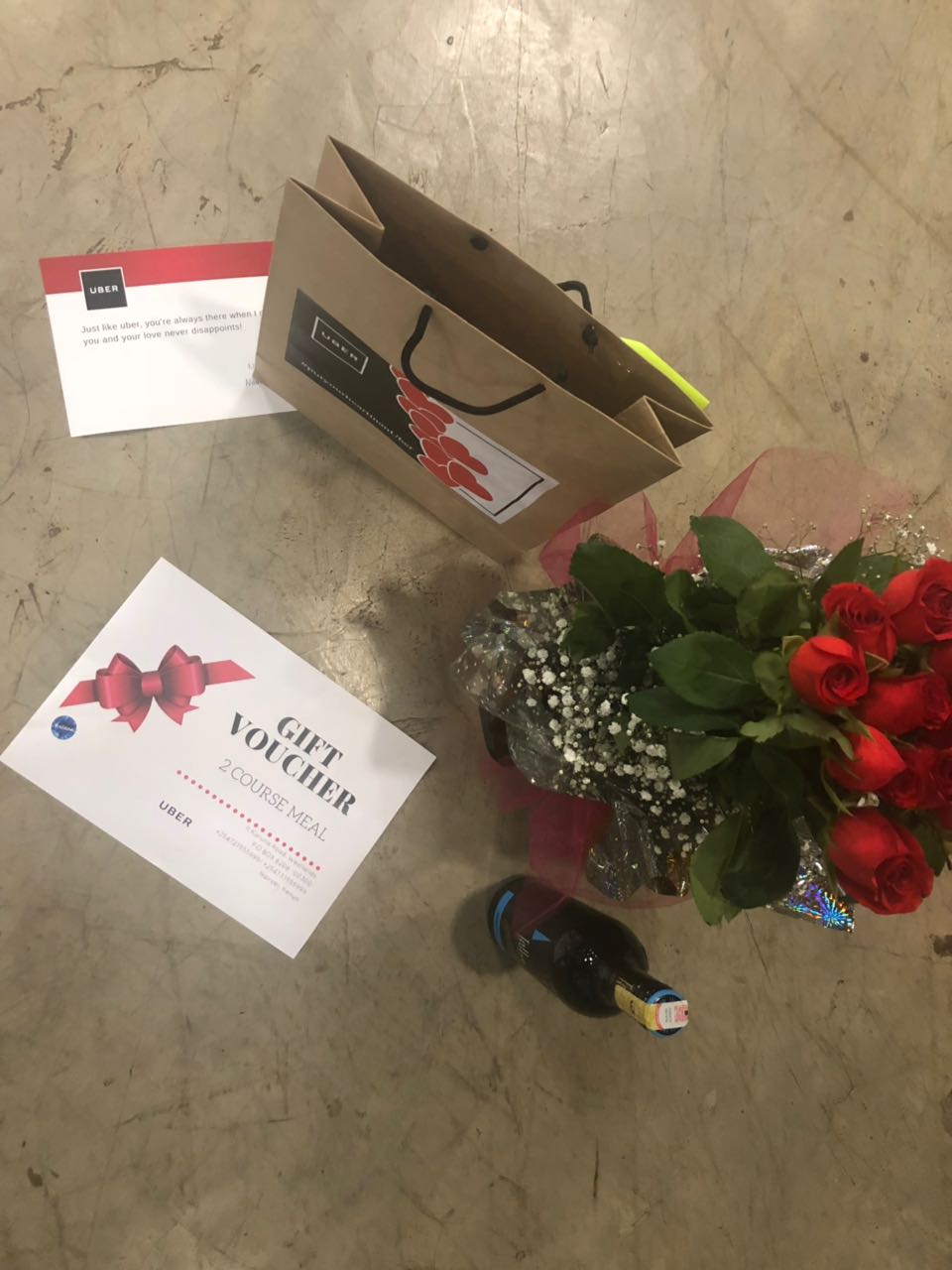
Uber delivers Valentine’s Day hampers for free to people’s offices and residential homes (Photos)

Lovebirds have had the most memorable Valentine’s Day as Uber decided to deliver Valentines hamper to their loved one on their behalf.

Uber decided to celebrate Valentine’s Day by rewarding lucky riders through a love themed promotion dubbed ‘put your heart in an Uber’.

Uber riders entered the promotion by submitting notes of love via a google form which was delivered to their significant other, friend or relative on Valentine’s Day.

Anita Nderu surprises lucky riders

Capital FM’s Anita Nderu also joined Uber drivers in delivering Valentine’s hampers. She visited offices and residential homes to personally deliver the Valentine hampers.

Anita Nderu

“#HappyValentinesDay #PutyourheartinanUber I’ll be dropping by some of your homes and offices in a bit courtesy of @uber_kenya” Anita Nderu tweeted before she took on the task.

Lucky riders who had their notes selected had their notes and an Uber Valentines hampers delivered to their loved one on their behalf on Valentine’s Day.

The taxi-hailing company has also rewarded two lucky couples a grand prize of Valentine’s Day dinner/stay-cation.