
Your Daily Ride Could Soon Cost More

What Kenya’s Proposed Ride-Hailing Fare Changes Could Mean for You

Ride-hailing has quietly become one of Kenya’s most important digital industries.

The sector now forms a significant part of the country’s gig economy, which supports about 1.54 million workers.

More than half of Kenyan ride-hailing drivers say the business is their primary source of income, while the market itself is projected to generate approximately Sh7.3 billion in revenue this year.

It is, in many ways, a success story of technology and entrepreneurship.

That is why President William Ruto’s recent directive to the National Transport and Safety Authority (NTSA) to introduce minimum pricing and review per-kilometre rates for ride-hailing services has sparked intense debate.

The Economics of Demand

Ride-hailing operates within a demand-driven marketplace.

Prices play a significant role in determining how often consumers use these services.

When fares rise substantially, customer behaviour often changes.

Some passengers reduce the number of trips they take, while others return to public transport, organise private arrangements, share rides or avoid making non-essential journeys altogether.

This matters because the industry depends heavily on volume.

For many drivers, income is not determined solely by the amount earned from an individual trip.

It is equally influenced by how many trips they complete throughout the day.

A driver who completes fifteen reasonably priced trips may earn more than one who charges higher fares but only secures seven bookings.

The relationship between demand and earnings is therefore more delicate than it first appears.
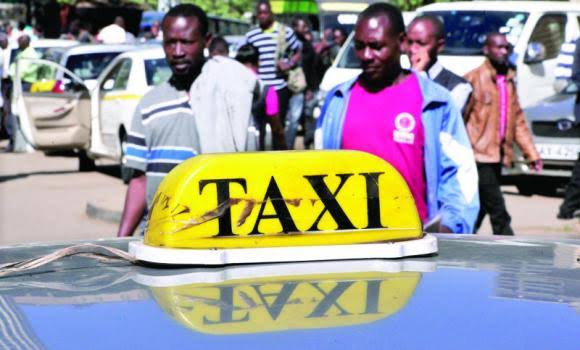
A taxi waits for passengers on a Nairobi street (Image: Files)

Drivers Could Feel the Most Impact

Ride-hailing’s rapid growth in Kenya has largely been built on accessibility.

The services have become particularly popular among low- and middle-income earners who rely on them for short trips, late-night travel, airport transfers, and journeys to areas where public transport may be inconvenient or unavailable.

If regulated fare increases significantly raise the cost of trips, a portion of these consumers could be priced out of the market.

Fewer bookings lead to longer waiting times between trips and longer idle periods ultimately reduce earning opportunities for drivers.

This is the paradox of price regulation in demand-sensitive industries: higher prices can sometimes result in lower overall incomes.

The concern is particularly relevant in the ride-hailing sector because drivers’ expenses do not disappear when demand slows.

Vehicle financing costs, insurance premiums, maintenance expenses and fuel costs continue to accumulate regardless of how many bookings come through.

As a result, prolonged periods of lower demand could place additional financial pressure on the very drivers the regulation seeks to protect.

A More Nuanced Approach

None of this diminishes the legitimate concerns raised by drivers.

The cost of doing business has risen considerably over the past few years.

Fuel prices, spare parts, vehicle servicing and financing costs have all increased, squeezing margins for many operators.

These challenges deserve policy attention.

However, the assumption that higher prices automatically lead to better outcomes may oversimplify the economics of the sector.

Ride-hailing platforms operate within a highly dynamic ecosystem where demand shifts according to time of day, location, weather conditions, economic circumstances and consumer spending patterns.

Pricing mechanisms have evolved partly because they help balance these factors in real time.

A rigid price floor could unintentionally weaken this balance.

The objective should therefore be to build a sustainable environment where drivers earn fairly while passengers continue to access affordable and reliable transport services.

Ultimately, the health of the ride-hailing industry depends on a simple equation: drivers need passengers, and passengers need prices they can afford.

Is BOLT leaving Kenya?!

Ride-hailing platform Bolt has dismissed claims that it plans to exit the Kenyan market, describing a viral letter circulating online as fake and misleading.

The company issued a statement clarifying that it remains fully operational in Kenya and continues to serve both customers and driver-partners across the country.

Fake Exit Notice Sparks Concern

The controversy emerged after a document circulated widely on social media platforms and messaging apps, purporting to be an official communication from Bolt.

The letter claimed that the company would cease operations in Kenya by June 8, prompting concern among users and drivers who rely on the platform for transport and income.

However, Bolt has firmly denied any involvement with the document.

Bolt Responds

In an official statement released on June 1, East Africa Senior General Manager Dimmy Kanyankole assured stakeholders that the company has no plans to leave Kenya.

“We wish to categorically state that this document is fake and did not originate from Bolt Kenya or any of its authorised representatives,” the statement read.

The company reiterated its commitment to the Kenyan market, emphasizing that its services remain available as normal.

Investigation Underway

Bolt said it is treating the matter seriously and has launched investigations to determine the source of the fabricated letter.

The company added that it will pursue appropriate action against those responsible for creating and distributing the false information.

The clarification comes amid ongoing discussions around regulations and taxation affecting Kenya’s digital economy, issues that have generated debate among technology companies operating in the country.

Despite the evolving regulatory environment, Bolt maintained that its focus remains on providing transport solutions and economic opportunities for Kenyans.

“Bolt continues to operate normally in Kenya and remains focused on delivering safe, reliable, and innovative services while creating economic opportunities across the country,” the company stated.

Public Urged to Verify Information

Bolt has also cautioned members of the public against sharing unverified information online.

The company urged customers and driver-partners to rely on official communication channels for accurate updates, including its website, verified social media accounts, and the Bolt app.

It further encouraged anyone with questions regarding company operations to seek clarification through its official communication channels rather than relying on unverified reports circulating online.

For now, Bolt says it remains fully committed to the Kenyan market and will continue operating as usual.

Bolt Suspends Driver for Indecently Exposing Himself to Female Rider

Online taxi-hailing company Bolt has suspended one of its drivers after he was captured on video indecently exposing himself to female passengers.

The driver, identified as Moctor Indwasi, was seen driving within Lavington area, one of Nairobi’s leafy suburbs, as he exposed his private part and handled it at the same time.

Bolt has issued a statement expressing its “sincerest concern and empathy over this unfortunate incident.” The company said it is “committed to promptly addressing and continuously supporting our valued clients during such difficult moments.”

The driver was exposed by a female passenger who was one of two females in the vehicle. The other passenger was in the back seat. Upon being discovered for indecently exposing himself, the driver “was forced” to cut the trip short and drop off the ladies.

Former Nairobi governor Mike Sonko, who shared the video on his social media pages, urged anyone with more information or has faced a similar ordeal to come forward.

“This conduct should not be tolerated,” Sonko said. “Let this video act as an educational and send warning to young ladies to be extremely cautious before boarding cabs, especially when vulnerable or unaccompanied.”

Safety Tips for Passengers

  • Be aware of your surroundings and the people around you.
  • If you feel unsafe, get out of the vehicle and call for help.
  • Share your trip details with a friend or family member.
  • Use a reputable taxi company.
  • Avoid getting into a taxi with someone you don’t know or trust.
  • If you are riding alone, sit in the back seat.
  • Keep your doors locked and windows rolled up.
  • If the driver takes a route that you are not familiar with, ask them to explain it to you.
  • If you feel threatened, call the police.