Saba Saba, observed on July 7th, marks a pivotal chapter in Kenya’s democratic journey.
It originated in 1990 as a mass protest against one-party rule and authoritarian governance.
Over the years, it has evolved into a national symbol of resistance, civil rights advocacy, and social justice movements.
Origins of Saba Saba (1990)
During President Daniel arap Moi’s tenure, Kenya operated under a de facto one-party system dominated by the Kenya African National Union (KANU).
Political opposition was suppressed, media freedoms were curtailed, and widespread dissatisfaction was mounting over economic mismanagement and systemic marginalization.
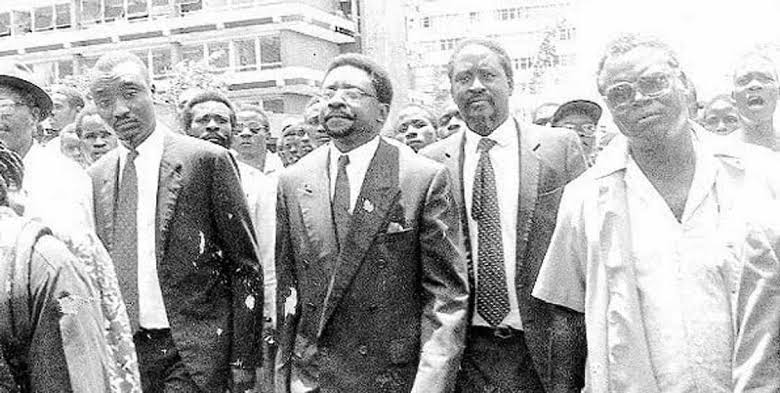
On July 7, 1990, opposition leaders Kenneth Matiba, Charles Rubia, and Jaramogi Oginga Odinga called for a public rally at Kamukunji Grounds in Nairobi to demand multiparty democracy.
Despite a government ban, citizens defied the directive, resulting in mass protests and violent state response – including detentions, police crackdowns, and loss of life.
The events of that day became a turning point in the push for democratic reforms in Kenya.
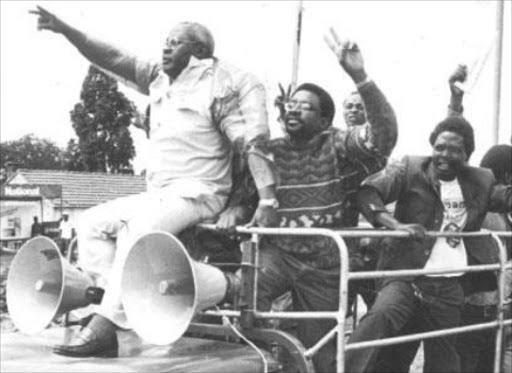
Significance of the 1990 Uprising
The 1990 Saba Saba protest served as:
A catalyst for the repeal of Section 2A of the Constitution in 1991, which had outlawed opposition parties.
A launchpad for youth and civil society involvement in governance and reform.
A symbol of public resilience and people power.
Key Figures in the Movement
Kenneth Matiba and Charles Rubia: Organizers of the 1990 rally, both detained.
Jaramogi Oginga Odinga: Supported the protest as an elder statesman.
James Orengo and Koigi wa Wamwere: Vocal proponents of civil liberties.
Raila Odinga: Though abroad during the 1990 protest, he had been previously detained for similar causes.
Other notable contributors over the years include Wangari Maathai, Paul Muite, Boniface Mwangi, Maina Kiai, Jerotich Seii, and several youth activists who have shaped the day’s relevance over time.
Thematic Evolution (1990–2024)
Each decade has seen Saba Saba take on new meaning:
1990s: Demand for multiparty democracy and an end to dictatorship.
2000s: Calls for constitutional reforms, land justice, and environmental rights.
2010s: Focus on police accountability, extrajudicial killings, and economic fairness.
2020s: Emergence of Gen Z-led protests, emphasizing digital rights, financial justice, and youth empowerment.
A Persistent Civic Tradition
From banned rallies in Kamukunji to peaceful protest walks and digital campaigns, Saba Saba remains a fixture in Kenya’s political calendar.
It is a reminder of the country’s hard-won freedoms and a continuing platform for citizens to speak against injustice.
In 2024, Kenyans held a concert to honor those who lost their lives in previous protests.
It was a reflection of the day’s evolving forms of expression, yet constant in its purpose: demanding a better, more just society.