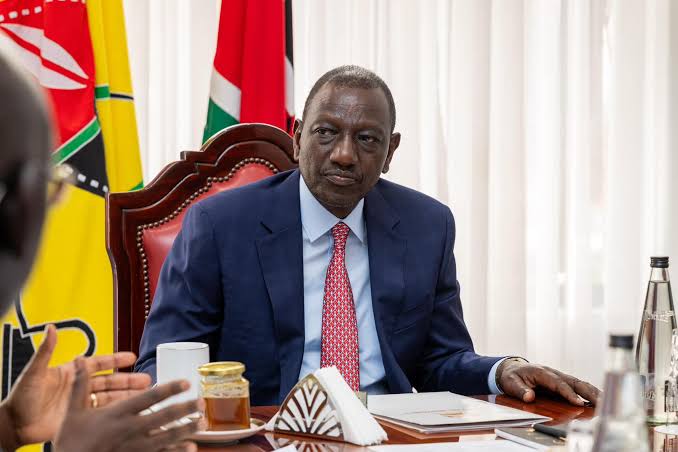
President Ruto Calls for Deeper Regional Integration as Kenya Hosts 24th COMESA Summit

President William Samoei Ruto has officially opened the 24th COMESA Summit of Heads of State and Government at the Kenyatta International Convention Centre (KICC) in Nairobi.

As the incoming Chairperson of the COMESA Authority of Heads of State and Government, President Ruto underscored Kenya’s deep commitment to regional cooperation as a driver of economic transformation.

“The nature of 21st-century globalisation has strengthened the case for regional integration as a pathway to sustainable growth.

Africa’s relevance in the global marketplace will be determined by the depth and speed of its integration,” he said.

Regional Integration

The President noted that the current wave of global challenges – from supply chain disruptions and debt distress to the rise of digital economies – makes it urgent for African nations to work together.

He emphasised that regional blocs like COMESA remain central to Africa’s economic resilience, as they create larger markets, spur industrial linkages, and promote peace and stability.

“By merging our economies and pooling our capacities, endowments, and energies, we can overcome the daunting challenges that hinder our continent’s transformation,” President Ruto stated.
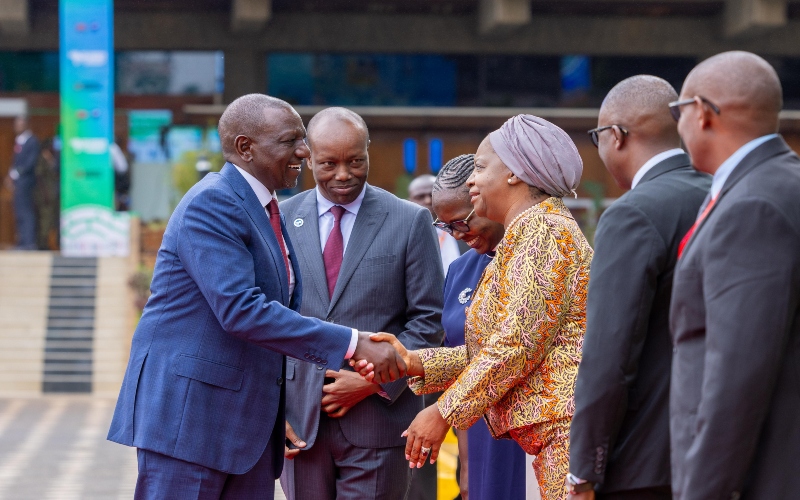
President Ruto welcomes other African Heads of State at the COMESA 2025 opening ceremony in Nairobi (Image: Files)

Digitalisation for Growth

The 2025 COMESA Summit is being held under the theme: “Leveraging Digitalisation to Deepen Regional Value Chains for Sustainable and Inclusive Growth.”

The theme captures the defining shift in global economics – that technology and innovation are now key levers for sustainable development.

“Digitalisation offers immense potential to drive sustainability by optimising resource use, improving energy efficiency, enabling smart grids, and fostering circular economies,” The president added.

COMESA must invest deliberately in digital infrastructure, data governance, and human capacity building to ensure African citizens are empowered to thrive in the digital era.

People-driven Integration

President Ruto reiterated that COMESA’s greatest strength lies not only in trade but also in social and human integration.

He highlighted the importance of bridging economic and social gaps within the region, ensuring no member state is left behind.

“COMESA’s integration journey has not only facilitated trade but also fostered peace, stability, and resilience across borders,” he said.

He urged member states to make concrete commitments to scale up intra-COMESA trade, foster industrial linkages, support innovation, and strengthen resilience against external shocks.

Vision 2030 and Africa’s Agenda 2063

Hosting the 24th COMESA Summit, President Ruto said, aligns seamlessly with Kenya’s Vision 2030 and the African Union’s Agenda 2063.

Both agendas seek to transform economies through regional integration and cross-border cooperation.

He positioned Kenya as a model for regional collaboration, pointing to its investments in infrastructure, innovation, and human capital.

The COMESA Clarion Call

In closing, the President called for bold action to make COMESA a globally competitive region that focuses on value addition, inclusive growth, and sustainable development.

“Together, we can transform COMESA into a region that promotes prosperity for all and pursues growth that is sustainable, inclusive, and transformative,”

He said, before officially welcoming fellow Heads of State and dignitaries to Nairobi.

The summit, bringing together leaders, ministers, and business representatives from 21 member states, is expected to chart new strategies for accelerating Africa’s integration through digitalisation and value chain development.
The State of The Hustle: Five Major Economic Wins in 2025

We usually don’t scroll through pages of economic data or statistical yearbooks, but if ever there was a time to pay attention, it’s now.

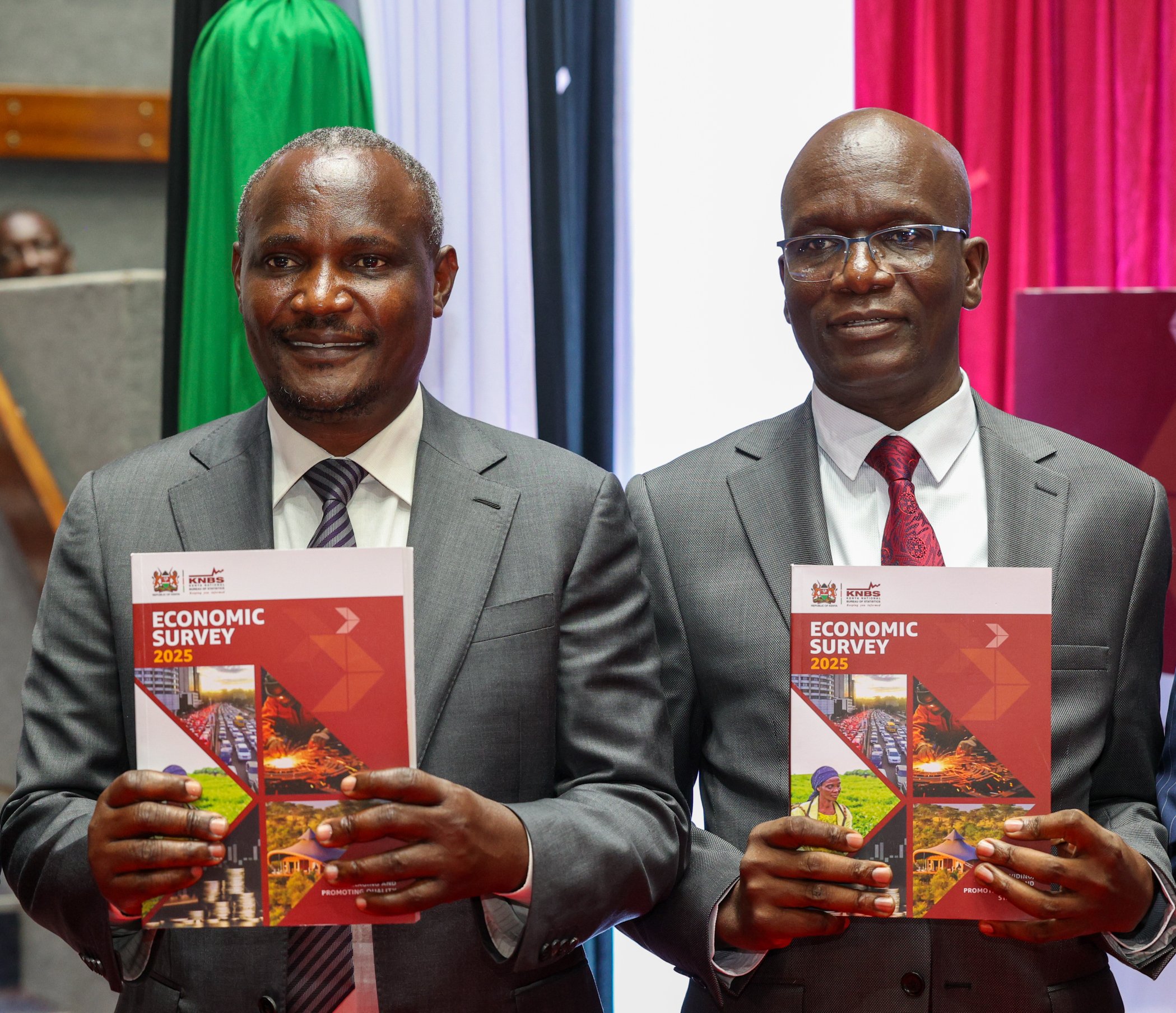
The 2025 Economic Survey by the Kenya National Bureau of Statistics (KNBS) dropped this week – it’s perfect mirror of where we stand and where we’re headed.

And no, it’s not just for economists in suits. It’s for every mama mboga, every student, every boda rider, every entrepreneur chasing a dream.

We’ve combed through the maze and spotlighted five key areas that affect all of us – no jargon, just facts with a pulse.

Kenya Vision 2030 Director General Mr Kenneth Mwige display the KNBS 2025 document alongside CS Finance John Mbadi during the launch in Nairobi. (Image: X)

1. Jobs: Who’s Hiring?

Jobs are bouncing back.

In 2024, the number of people in formal employment hit 3.3 million, up by 3.7%. What’s driving this? The private sector.

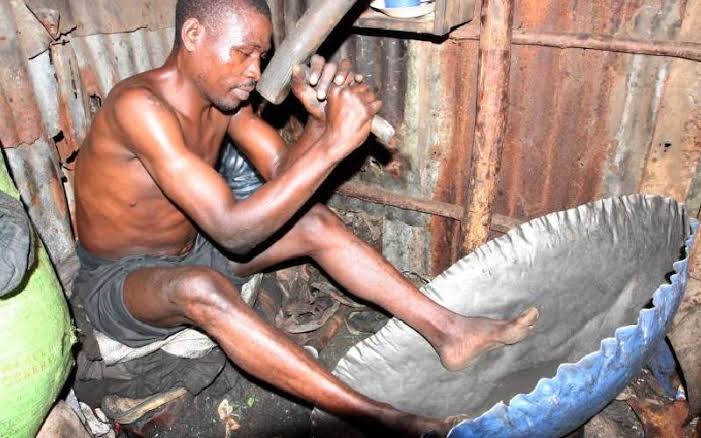
It created 91,800 new jobs, dwarfing the 27,100 added by the public sector. But let’s not forget: informal employment – think jua kali, market stalls, gigs – still accounts for over 80% of all jobs.

That’s 16.8 million hustles powering the nation.

So yes, the economy is healing. But the spotlight must stay on dignifying informal work and ensuring youth and women get a bigger slice of the employment pie.

2. Big Strides in Infrastructure

If you’ve been stuck in traffic or dodging potholes, here’s some hope.

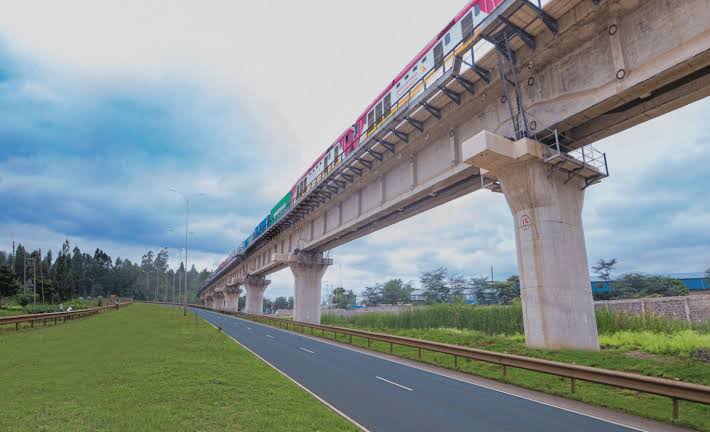
The government spent KSh 471.9 billion on roads, rail, ports, and housing – a 13.2% jump from the previous year.

This isn’t just concrete and tarmac; it’s a signal of serious intent to connect people, markets, and opportunities.

Road construction took the lion’s share, with 11,908 km of roads under maintenance or development.

Housing projects, under the Affordable Housing Programme, also picked up pace – and we’re seeing more keys handed to first-time homeowners.

3. Industry & Manufacturing

Manufacturing grew by 2.0% in 2024.

Not explosive, but steady. Food and beverages led the pack, contributing over 40% of the total manufacturing output. Cement, sugar, and steel were also on the up.

But we still import more than we make.

The message is clear – we must produce more locally, and the government’s focus on value addition and Buy Kenya, Build Kenya must now translate into real action on the ground.

4. Trade & Investment: Who’s Buying What?

Kenya exported goods worth KSh 1 trillion, up from KSh 873 billion.

That’s progress – especially in tea, horticulture, and apparel. But imports still dominate, clocking in at KSh 2.5 trillion. That’s a trade deficit of KSh 1.5 trillion.

However, the rise in exports means local producers are finding footing globally.

What’s needed now is more muscle for SMEs, easing logistics, and pushing regional trade aggressively under the AfCFTA umbrella.

A jua kali artisan in a workshop in Githurai 44, Nairobi (Image: Files)

5. Money Matters: Banking & Finance

The financial sector is holding strong. Commercial bank deposits grew by 11.4%, hitting KSh 5.2 trillion.

Lending to the private sector increased too, a good sign for business growth.

Mobile money remains king – with over 2 billion transactions made through services like M-PESA and Airtel Money.

In short, more Kenyans are banking, saving, and transacting digitally. The shift to mobile and agency banking is not just convenience – it’s power in your palm.

In a Nutshell …… 

The 2025 Economic Survey doesn’t just capture numbers – it tells the story of resilience, rebuilding, and recalibration.

We’re not yet at the summit, but the path is clearing.

The government’s agenda is clear: build, empower, include. It’s now up to us – citizens, businesses, communities – to plug in, participate, and push forward.