
Makongeni: Making History in The Eastlands Urban Renewal Plan

Makongeni is the first beneficiary in the documented, structured, community-led process that now marks the transformation under the Eastlands Urban Renewal Masterplan (2016–2036).

For the first time since the vision was adopted in 2019, an old Nairobi estate is moving from blueprint to bulldozers, from aging blocks to a modern neighbourhood shaped with its residents at the centre.

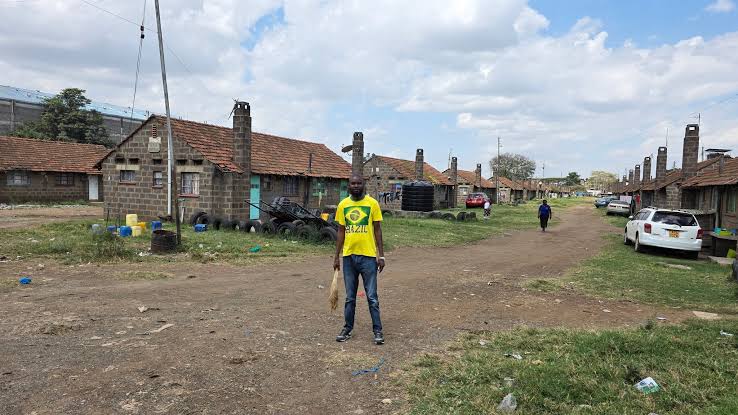
Makongeni was chosen for her strategic location, long-standing congestion challenges, and the potential to anchor a new, green Eastlands.

A Systemic Relocation

What sets Makongeni apart is not just the scale of redevelopment – it’s the process.

The relocation has become one of the most documented and people-centred exercises ever done under the Affordable Housing Programme.

The Relocation Action Plan wasn’t a formal requirement ticked off; it became the backbone of the transition.

Key processes included:

  • Enumeration that mapped official tenants, sub-tenants, traders, churches and more – creating a factual base for all decisions.
  • Verification that honoured lived realities through IDs, rent records, testimony and official letters.
  • Grievance handling that resolved over 300 complex cases through a multi-agency desk involving elders and local leadership.
  • Tracing efforts that ensured no household was left behind – including sick, travelling or fearful families.
  • Clear communication through Swahili, Sheng, SMS, barazas, meetings and home visits.
  • Voluntary movement, supported only after disbursement of facilitation funds and signing of consent forms.

To date, more than 4,600 verified households and commercial spaces have been supported to move with clarity and dignity.

The Importance of Movement & Timing

Makongeni cannot be rebuilt while families still live on site. Roads, parks, housing blocks, water systems and commercial centres can only rise once the ground is clear.

The timing is deliberate:

  • Families needed time to plan before schools reopen in January.
  • December’s festive season brings higher rents and fewer available houses.
  • Facilitation funds have a clear usage window to avoid strain or misuse.
  • Construction work must begin soon for residents to return sooner.

This period marks the bridge between the old Makongeni and the future one – a shift from years of planning to physical progress on the ground.

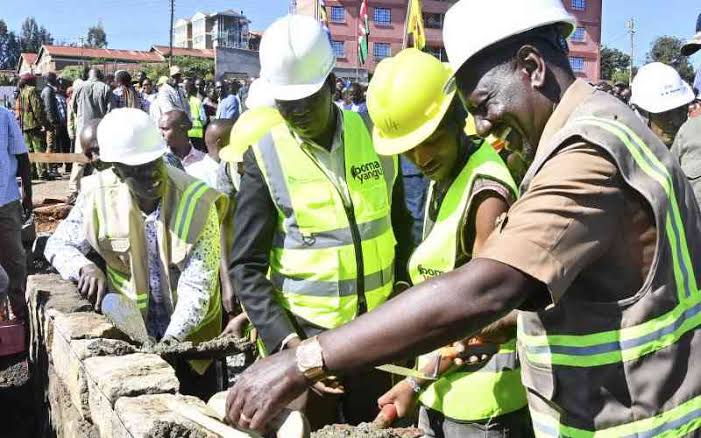
President Ruto greets the youths during a recent Affordable Housing launch in Siaya (Image: Files)

The Sights of the New Makongeni

The new Makongeni will sit on 139 acres acquired from the Kenya Railways Staff Retirement Benefits Scheme.

The redevelopment will deliver:

A homely neighbourhood

Homes, schools, clinics, parks, and markets within walking distance – aligned with the New Urban Agenda’s push for dignity, convenience and community.

Mixed-density homes

75 acres of social, affordable and affordable-market housing built with modern architecture and climate-resilient standards.

New economic engine for Eastlands

Commercial streets, co-working spaces, small industries, and thousands of jobs during and after construction.

Learning and wellness hub

Early childhood centres, primary and secondary schools, a vocational institute, and a modern community health complex.

Green spaces

20 acres of parks, playfields, green corridors, and public recreation – the largest green investment in Eastlands in decades.

Futuristic infrastructure

New roads, mobility hubs, stormwater systems, water and sewage treatment plants, and solar fields.

The Future of Makongeni

This redevelopment isn’t about demolitions – it’s about dignity, opportunity and continuity.

Residents will have priority to return and purchase units, keeping Makongeni’s generational story alive even as the surroundings transform.

Makongeni is where Eastlands’ next chapter begins – not by erasing the past – but by upgrading and building a future worthy of its people.
Makongeni: 15 Facts That Shut Down the Demolition Narrative

Makongeni is the first estate to actualise the Eastlands Urban Renewal Masterplan, a project that represents a shift in how Kenya handles redevelopment.

It’s a structured process with full documentation, and a community-led transition where every voice is heard and no household is left behind.

Government agencies describe the Makongeni process as the most people-centred engagement exercise in the Affordable Housing Programme’s history.

It’s designed to protect residents, safeguard pensioners, and prepare the estate for rebirth as a modern, green, connected community.

Here are 15 facts that reflect the uniqueness of the project:

1. Extensive Consultation

Records show Makongeni has undergone multiple rounds of structured engagement, including barazas, door-to-door visits, enumeration, verification, grievance redress sessions, Relocation Action Plan (RAP) workshops, and consent signing.

Every step was documented, capturing household details, concerns, and agreements.

2. No Forced Evictions

There is no forced evictions. All households that moved did so after:

  • Full facilitation
  • Verification.
  • Signed consent forms.

The redevelopment is designed as a return model, where current residents become priority beneficiaries of the new, safer, greener Makongeni.

3. Land Valuation

The land acquisition followed a professional, regulated valuation process aligned with pension rules to protect the Kenya Railways Staff Retirement Benefits Scheme.

Comparative data indicates that private developers have paid higher amounts for similar land in the same zone.

4. Beneficiary Eligibility

The RAP follows international relocation standards, which recognise the primary household occupant, not extended family.

Makongeni validated 3,601 rightful households after enumeration, verification, objections, and grievance redress processes.

Paying beyond verified households would violate the agreed criteria and compromise fairness.

5. Relocation Support

A full Relocation Action Plan was co-created with residents, detailing:

  • Security deployment.
  • Psychosocial support.
  • Needs assessment.
  • Transport facilitation.
  • Temporary shelter centres.

These provisions emerged directly from the RAP workshop, where residents highlighted practical and emotional concerns.

6. Safety Concerns for Women and Children

Security plans specifically prioritised women and children through:

  • Deployment of female security officers.
  • Increased lighting.
  • Patrol of hotspots.
  • Activation of GBV hotlines.

Officials describe safety not as a “policy item” but a daily operational commitment.

7. Facilitation Amount

The amount is part of a broader support framework, which includes:

  • Logistical assistance.
  • School transition help.
  • Priority for vulnerable residents.
  • Job opportunities within the project.
  • On-site safety support.

The model is designed to ensure families move with structure, not struggle.

8. School Disruption

A coordinated school transition plan is in place:

  • Transfer letters provided.
  • Neighbouring schools confirm placements.
  • No student is expected to lose learning time or stability.

9. Impact on Traders and Small Businesses

Traders are receiving:

  • Relocation support.
  • Business continuity assistance.
  • Priority allocation for commercial spaces in the new estate.
  • Temporary trading zones to protect daily income.

10. Youth Inclusion

Youth were active contributors to the RAP process and will be engaged in:

  • Construction works.
  • Waste management and recycling.
  • Logistics.
  • Community mobilisation.
  • Environmental tasks.

The redevelopment doubles as a youth employment programme.

11. PWD Considerations

Persons living with disabilities (PWDs) were identified and prioritised.

Support includes:

  • Escorted relocation assistance.
  • Special transport.
  • Priority for accessible units.
  • Built-in features in new blocks such as ramps, rails, wide doors, and enhanced lighting.

Accessibility is being designed, not retrofitted.

12. Elderly Residents

The elderly requested slower movement schedules and emotional support.

They are receiving:

  • Staggered relocation timelines.
  • Assisted movement.
  • Counselling.
  • Priority allocation for accessible units.
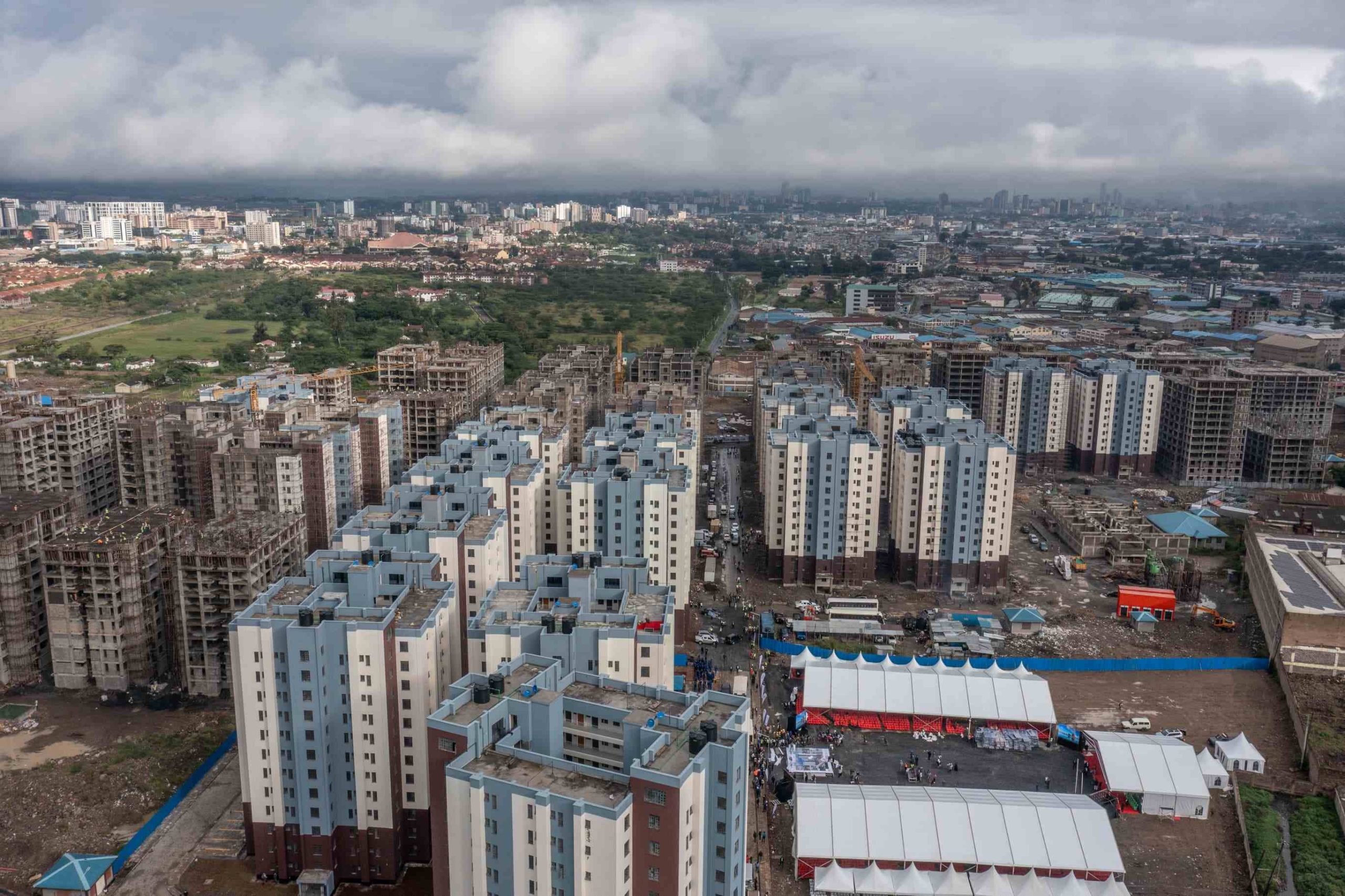
An artist’s impression of the proposed affordable housing project in Makongeni, Nairobi (Image: Files)

13. Churches and Schools

Churches, schools, and NGOs are transitioning in phased schedules to retain their community presence and activities.

In the new Makongeni, they will serve as community anchors, with improved facilities and space.

14. Communication

Communication channels include:

  • WhatsApp groups.
  • Estate posters.
  • Barazas.
  • Digital content.
  • Interpersonal briefings in Swahili and Sheng.
  • Verified briefing packs for leaders.

The communication strategy aims to reach people in familiar, accessible formats.

15. “This is just demolitions.”

Makongeni’s redevelopment is not defined by demolition but by renewal.

The new estate will include:

  • Modern high-quality housing.
  • Green parks.
  • schools.
  • A hospital.
  • Commercial areas.
  • Safe walkways.
  • Jobs for local residents.

From enumeration to Makao Bora cards, each step is documented because this is not the end of a community – it is the evolution of one.

Makongeni’s transformation is the clearest expression yet of Kenya’s attempt to implement documented, inclusive, people-first urban renewal.