Makongeni is the first beneficiary in the documented, structured, community-led process that now marks the transformation under the Eastlands Urban Renewal Masterplan (2016–2036).
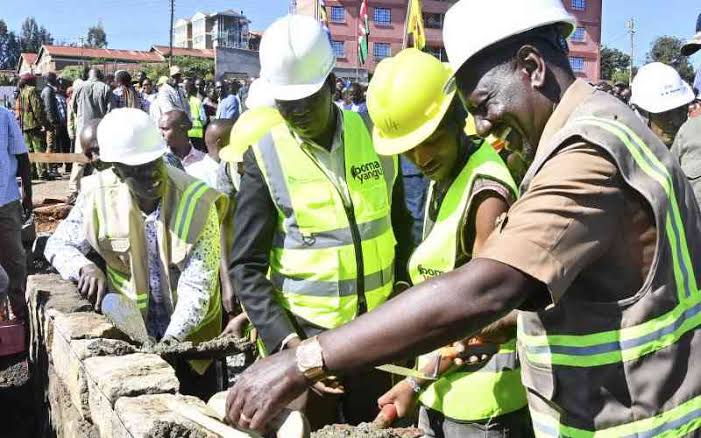
For the first time since the vision was adopted in 2019, an old Nairobi estate is moving from blueprint to bulldozers, from aging blocks to a modern neighbourhood shaped with its residents at the centre.
Makongeni was chosen for her strategic location, long-standing congestion challenges, and the potential to anchor a new, green Eastlands.
A Systemic Relocation
What sets Makongeni apart is not just the scale of redevelopment – it’s the process.
The relocation has become one of the most documented and people-centred exercises ever done under the Affordable Housing Programme.
The Relocation Action Plan wasn’t a formal requirement ticked off; it became the backbone of the transition.
Key processes included:
- Enumeration that mapped official tenants, sub-tenants, traders, churches and more – creating a factual base for all decisions.
- Verification that honoured lived realities through IDs, rent records, testimony and official letters.
- Grievance handling that resolved over 300 complex cases through a multi-agency desk involving elders and local leadership.
- Tracing efforts that ensured no household was left behind – including sick, travelling or fearful families.
- Clear communication through Swahili, Sheng, SMS, barazas, meetings and home visits.
- Voluntary movement, supported only after disbursement of facilitation funds and signing of consent forms.
To date, more than 4,600 verified households and commercial spaces have been supported to move with clarity and dignity.
The Importance of Movement & Timing
Makongeni cannot be rebuilt while families still live on site. Roads, parks, housing blocks, water systems and commercial centres can only rise once the ground is clear.
The timing is deliberate:
- Families needed time to plan before schools reopen in January.
- December’s festive season brings higher rents and fewer available houses.
- Facilitation funds have a clear usage window to avoid strain or misuse.
- Construction work must begin soon for residents to return sooner.
This period marks the bridge between the old Makongeni and the future one – a shift from years of planning to physical progress on the ground.

The Sights of the New Makongeni
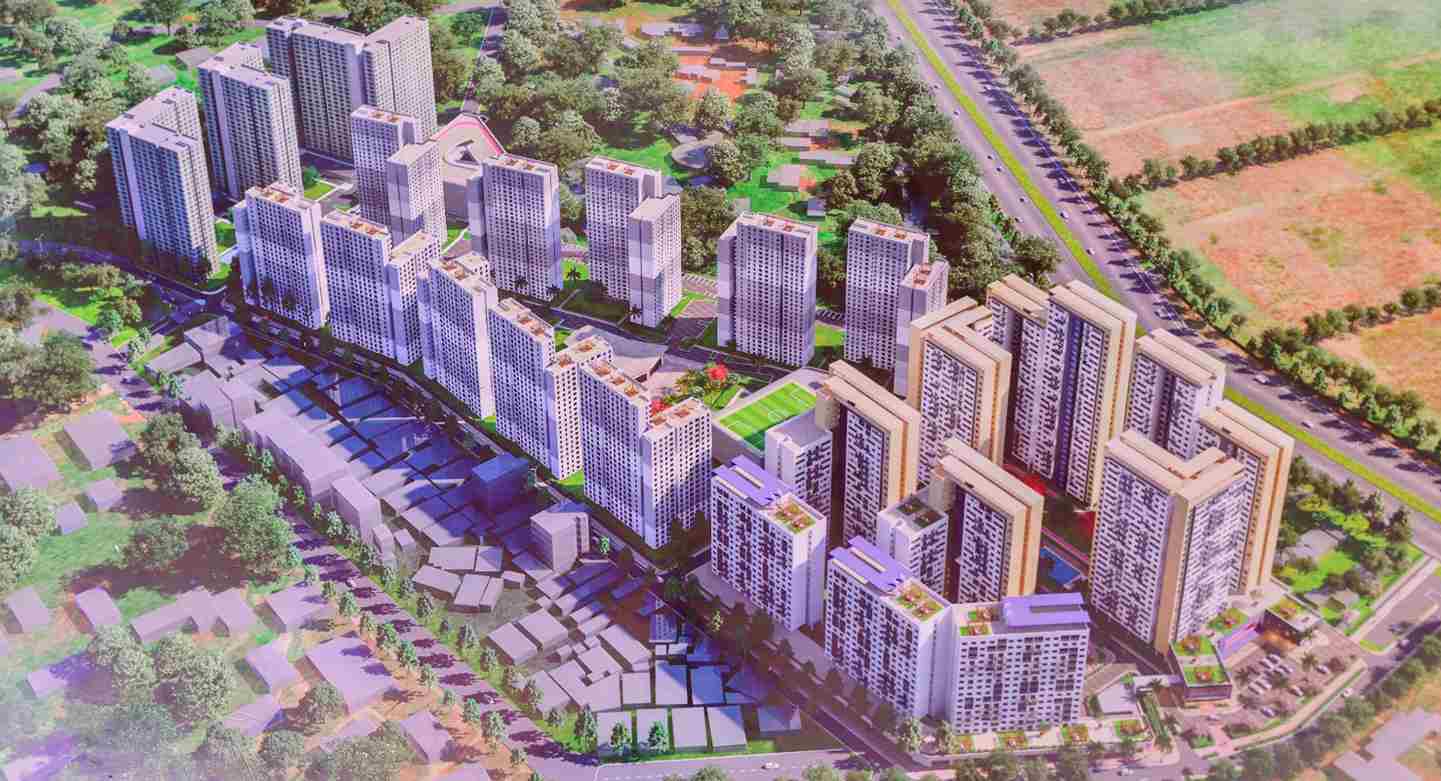
The new Makongeni will sit on 139 acres acquired from the Kenya Railways Staff Retirement Benefits Scheme.
The redevelopment will deliver:
A homely neighbourhood
Homes, schools, clinics, parks, and markets within walking distance – aligned with the New Urban Agenda’s push for dignity, convenience and community.
Mixed-density homes
75 acres of social, affordable and affordable-market housing built with modern architecture and climate-resilient standards.
New economic engine for Eastlands
Commercial streets, co-working spaces, small industries, and thousands of jobs during and after construction.
Learning and wellness hub
Early childhood centres, primary and secondary schools, a vocational institute, and a modern community health complex.
Green spaces
20 acres of parks, playfields, green corridors, and public recreation – the largest green investment in Eastlands in decades.
Futuristic infrastructure
New roads, mobility hubs, stormwater systems, water and sewage treatment plants, and solar fields.
The Future of Makongeni
This redevelopment isn’t about demolitions – it’s about dignity, opportunity and continuity.
Residents will have priority to return and purchase units, keeping Makongeni’s generational story alive even as the surroundings transform.
Makongeni is where Eastlands’ next chapter begins – not by erasing the past – but by upgrading and building a future worthy of its people.