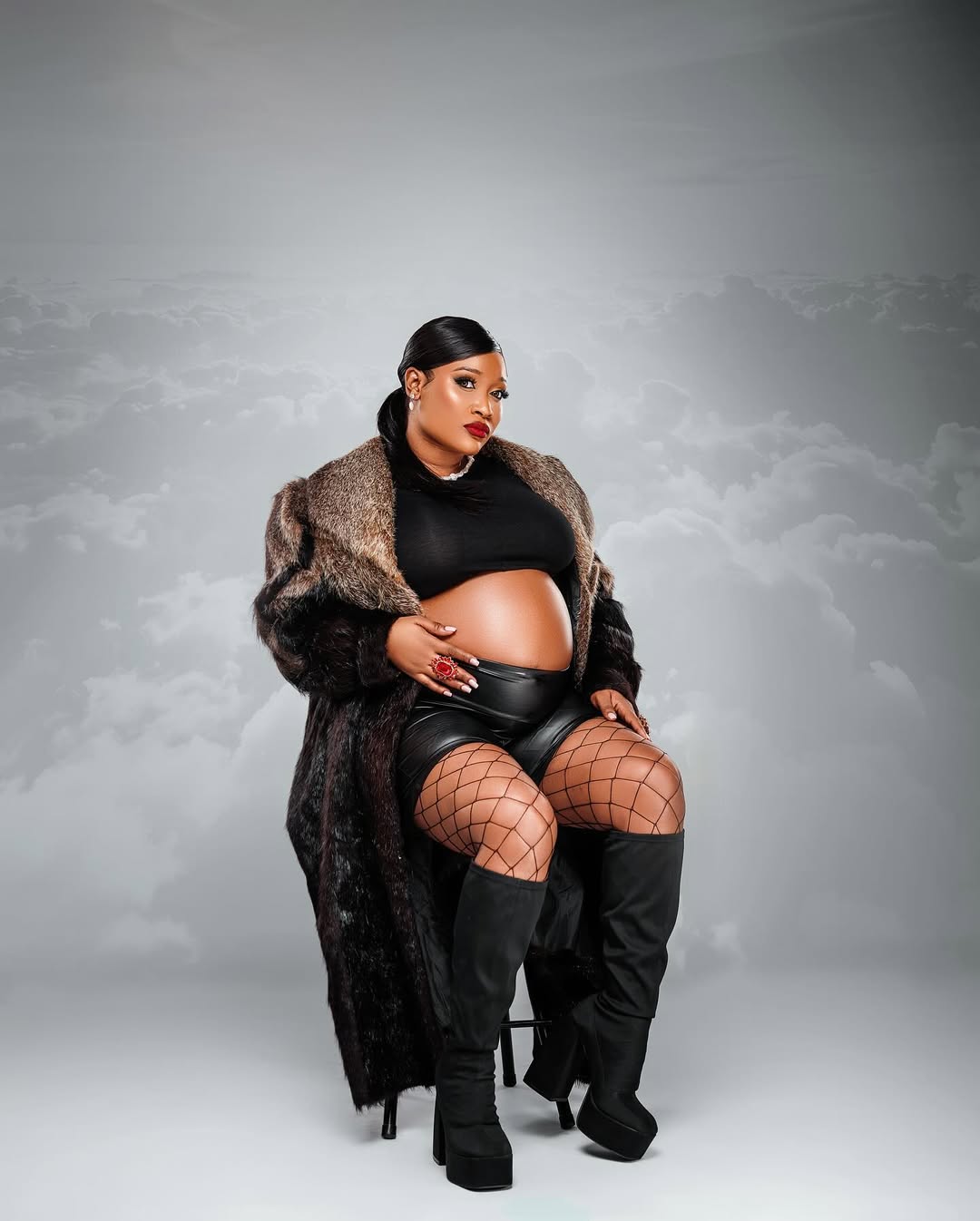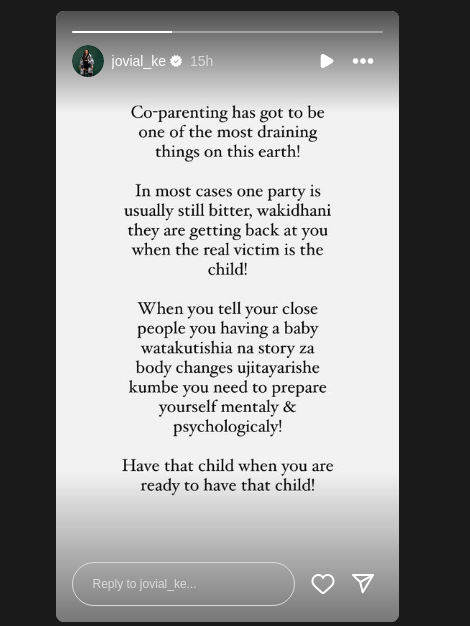

Otile Brown has responded to allegations made by fellow musician Jovial, who recently claimed she was never paid for their collaborations and accused him of trying to hinder her success in the music industry.
Speaking during an interview with Alex Mwakideu, Jovial alleged that despite the massive success of their hit song Such Kinda Love, she was struggling financially and living in a modest house in Mirema, where she slept on the floor because she was not receiving her share of the earnings.
Responding to the claims, Otile said the issue of royalties extends beyond their collaboration, revealing that he also spent years without receiving publishing royalties due to a lack of knowledge about the music business.
According to the singer, he has only recently assembled a team to help recover money owed to him, arguing that Africa’s music royalty and distribution systems remain underdeveloped.

He explained that many artists on the continent often exchange songs and collaborate without relying heavily on royalty-sharing agreements because of the challenges involved in collecting publishing income.
Despite that, Otile maintained that he regularly sent Jovial money whenever their music generated revenue.
Otile Details Support He Claims He Gave Jovial
The musician went on to outline what he described as the support he offered Jovial during their time working together.
He claimed he wrote the majority of the songs they recorded together and also helped her financially during a difficult period in her personal life.
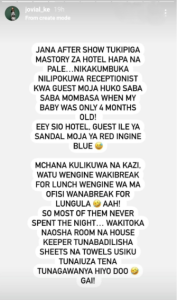
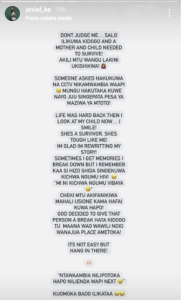
According to Otile, he paid her hospital bills when she gave birth and arranged VIP transport for her after she was discharged from hospital.
He further alleged that a DNA test later confirmed he was not the father of her child.
The singer also accused Jovial of releasing one of the songs he had written without seeking his permission.
Strong Criticism of Jovial’s Career Choices
Otile did not hold back in his assessment of Jovial’s career, arguing that her attitude and decision-making had prevented her from reaching her full potential.
“Ukweli ni kwamba wewe ni jeuri, mbishi na huna busara kabisa. Uswahili mwingi na unatumia hisia kufanya maamuzi. Husikii, na ndiyo maana umeshindwa kuendelea. Wakati mwingine nakuangalia kisha nakuhurumia jinsi career yako umeichezea kwa kujiaminisha.”
He added that he believes Jovial should be much further along in her music career, claiming she has ignored advice that could have helped her grow professionally.
Otile also alleged that she had never written any of the songs she currently performs at shows, maintaining that he was responsible for writing the music that helped build her profile.
Additionally, he claimed he was the one who suggested Tanzanian singer Marioo include a female artist on one of his collaborations, a move he says benefited Jovial’s career.
‘I Could Help, But I Couldn’t Force Success’
Concluding his response, Otile insisted that he genuinely supported Jovial’s musical journey and rejected suggestions that he wanted to see her fail.
He maintained that while he could offer opportunities, guidance and support, the responsibility for building a successful career ultimately rested with the individual artist.
His remarks come amid ongoing public debate sparked by Jovial’s interview, with fans continuing to weigh in on the conflicting accounts shared by the two musicians.