Has modeling lost its meaning in Kenya?
Well, I understand that a model is someone who is employed to promote, display, or advertise commercial products (notably fashion clothing) or to serve as a visual object for people who are creating works of art. But in Kenya, this seems to be like a paragraph from one of those Kindergarten fiction story books.
It’s only in Kenya where the ratio of M-Pesa shops to models is 1:10, for every M-Pesa shop you see, 10 models are around it, and among the 10, only two or one might be real. Not once or even twice that have asked ladies what they do and the answer has been “ Am a model”.
Reality shows, and internet make people believe that they can become (successful) models by how good they squint and pose. Social media on the other hand has also made it easy for most of Kenyan girls to explore their modeling talent, “even if they don’t have it” , to show the world their sexy struts, Instagram and Facebook are a perfect example.
Here the only recognizable types of Models;
#Fashion Modelling
Runway modelling – Runway models showcase clothes from fashion designers, fashion media, and consumers. They are also called “live models” and are self-employed.
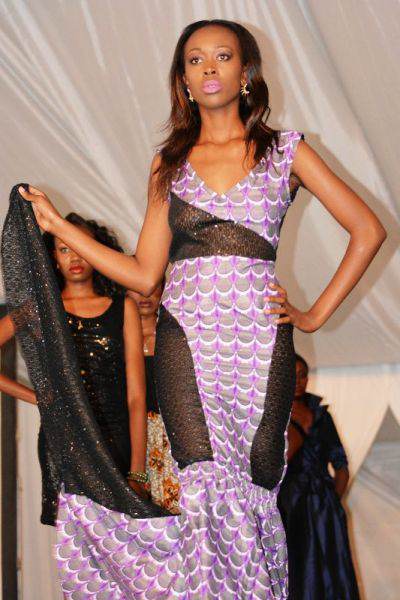
>Supermodels – Supermodels are highly paid, high profile fashion models with a great amount of experience.

>Plus-size models – Plus-size models are models who generally have larger measurements than editorial fashion models. The primary use of plus-size models is to appear in advertising and runway shows for plus size labels.
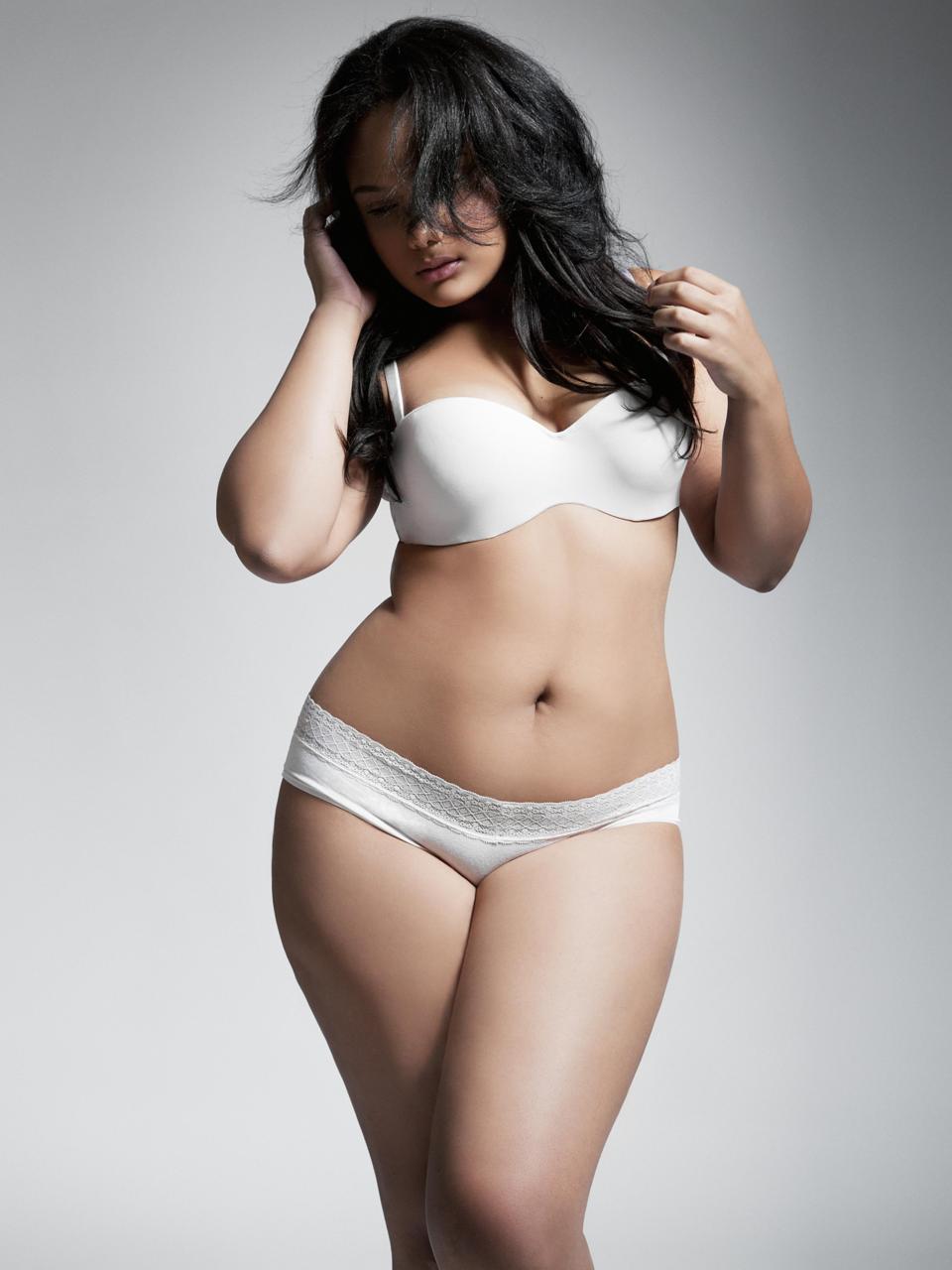
#Glamour models –Glamour modelling focuses solely on sexuality. Therefore, there are no requirements to be a glamour model other than the ability to pose seductively. For the most part, glamour models are limited to modelling in calendars, magazines, lingerie modelling, fetish modelling, music videos, and extra work in movies.

>Alternative models – An alternative model is any model that does not fit into the conventional model types and may include punk, goth, fetish, tattooed models or models with distinctive attributes. This type of modelling is usually a cross between glamour modelling and art modelling. Not all alternative modelling is overtly sexual and some is considered extremely tasteful and artistic.
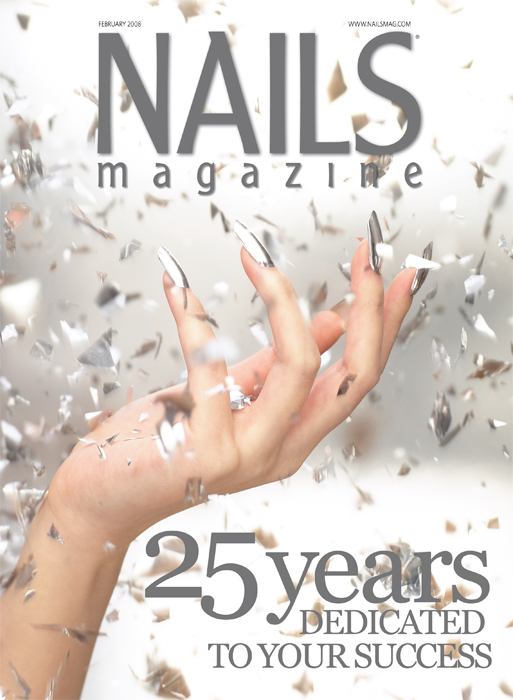
>Parts Models – Some models are employed for their body parts. For example, hand models may be used to promote products held in the hand and nail-related products. They are frequently part of television commercials.
>Fitness models – Fitness modeling focuses on displaying a healthy tone physique. Fitness models usually have defined muscles groups both major and minor groups.

>Commercial print and on-camera models – Commercial models generally appear in print ads for non-fashion products, and in television commercials. Commercial print models are usually non-exclusive, and primarily work in one location.
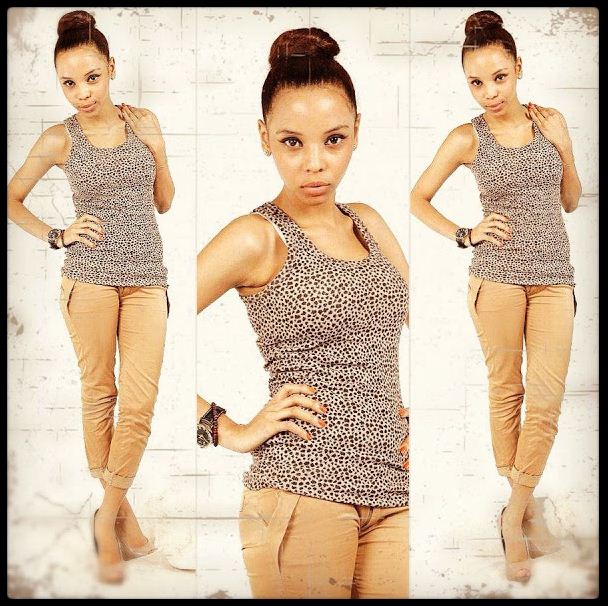
>Promotional models – A promotional model is a model hired to drive consumer demand for a product, service, brand, or concept by directly interacting with potential consumers. A vast majority of promotional models typically tend to be attractive in physical appearance. They serve to provide information about the product or service and make it appealing to consumers.
Don’t we just have too many models in Kenya, and you can’t tell me they’re all glamour models.